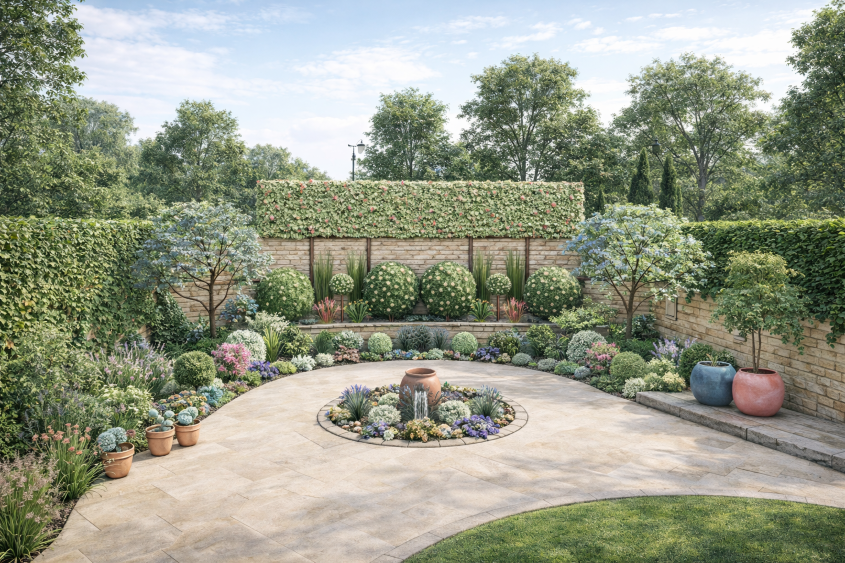
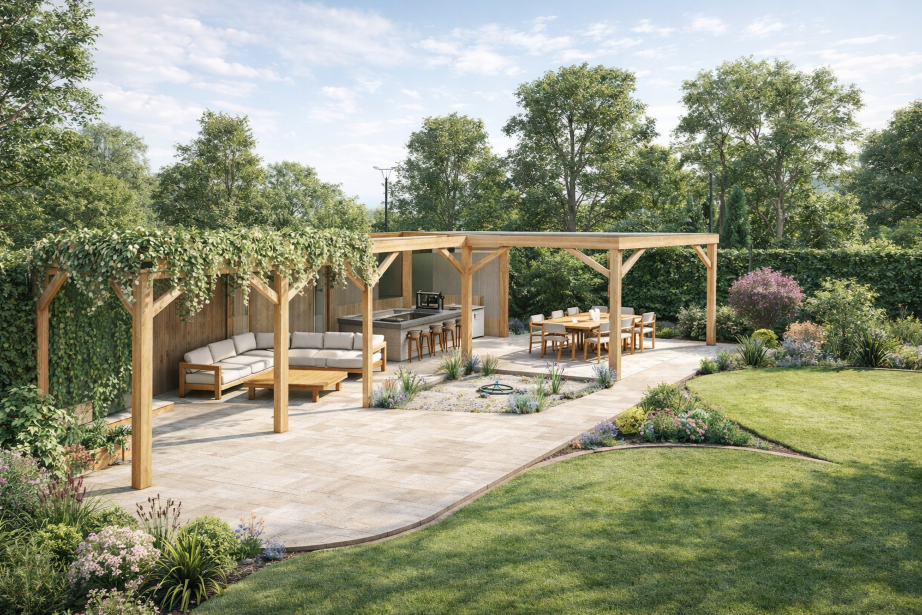
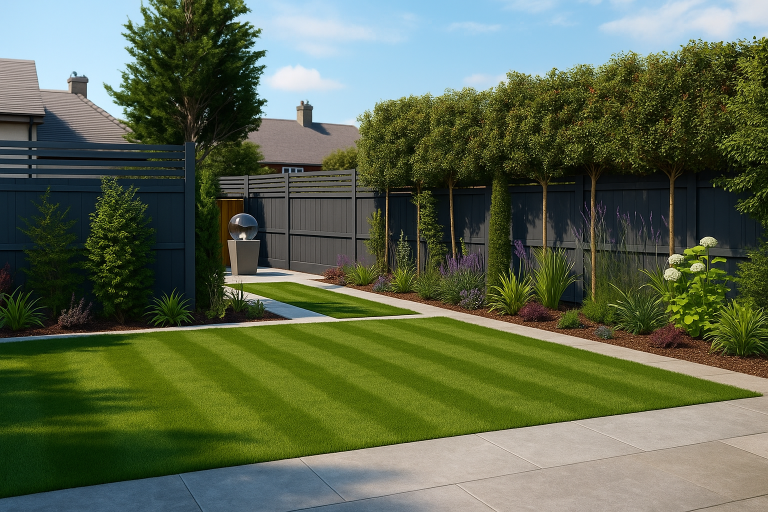
We work with clients across London and the South East of England to deliver garden designs.
Our knowledge ranges across a wide spectrum of spaces, layouts and styles.
So wherever you are, whatever the size of your space and your style, Soil Sisters are here to make your dreams a reality.
If your area isn’t mentioned above why not get in touch to see if we can help find you the right partner to get started in your area.
RecentGardenDesign
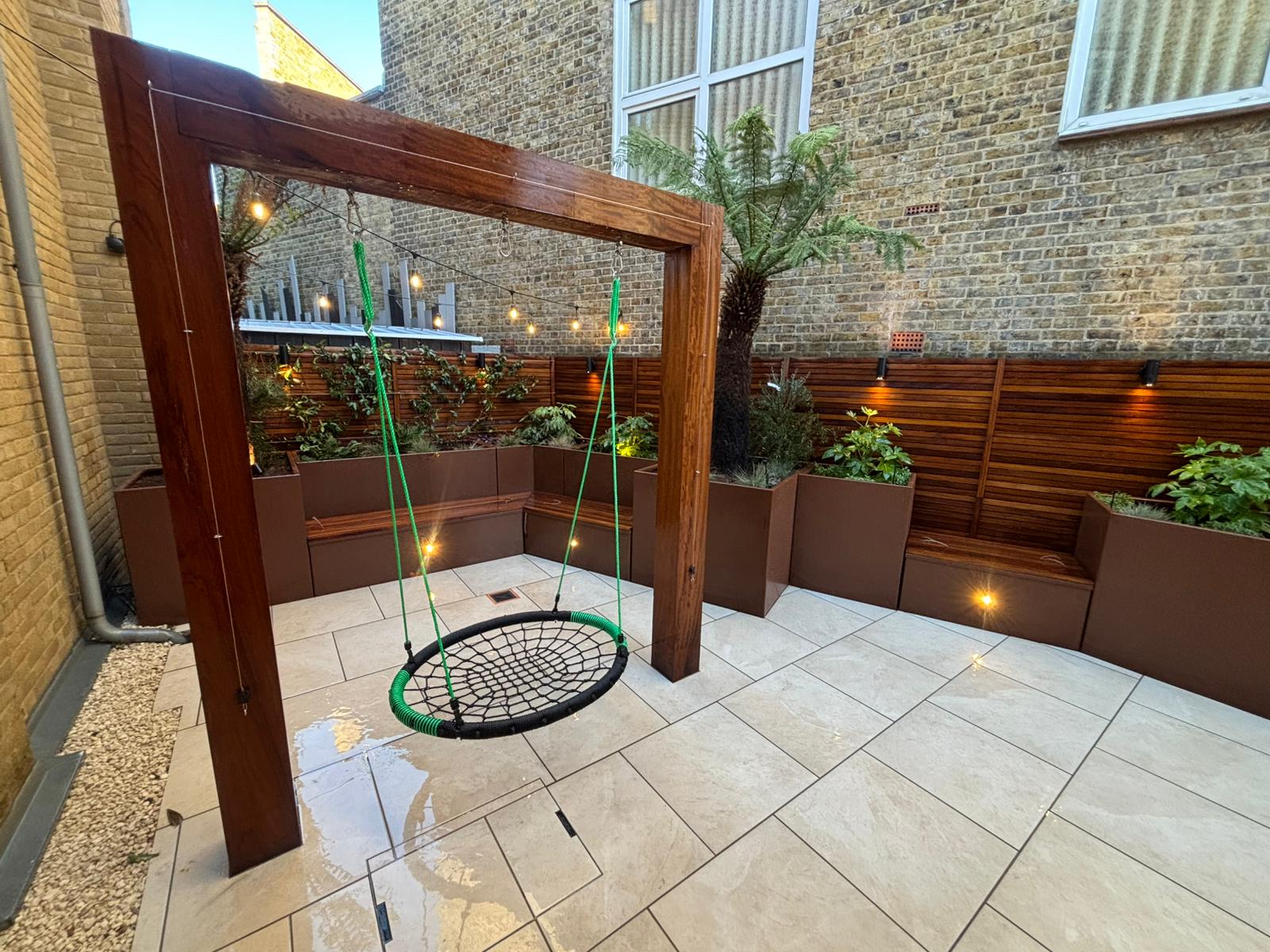
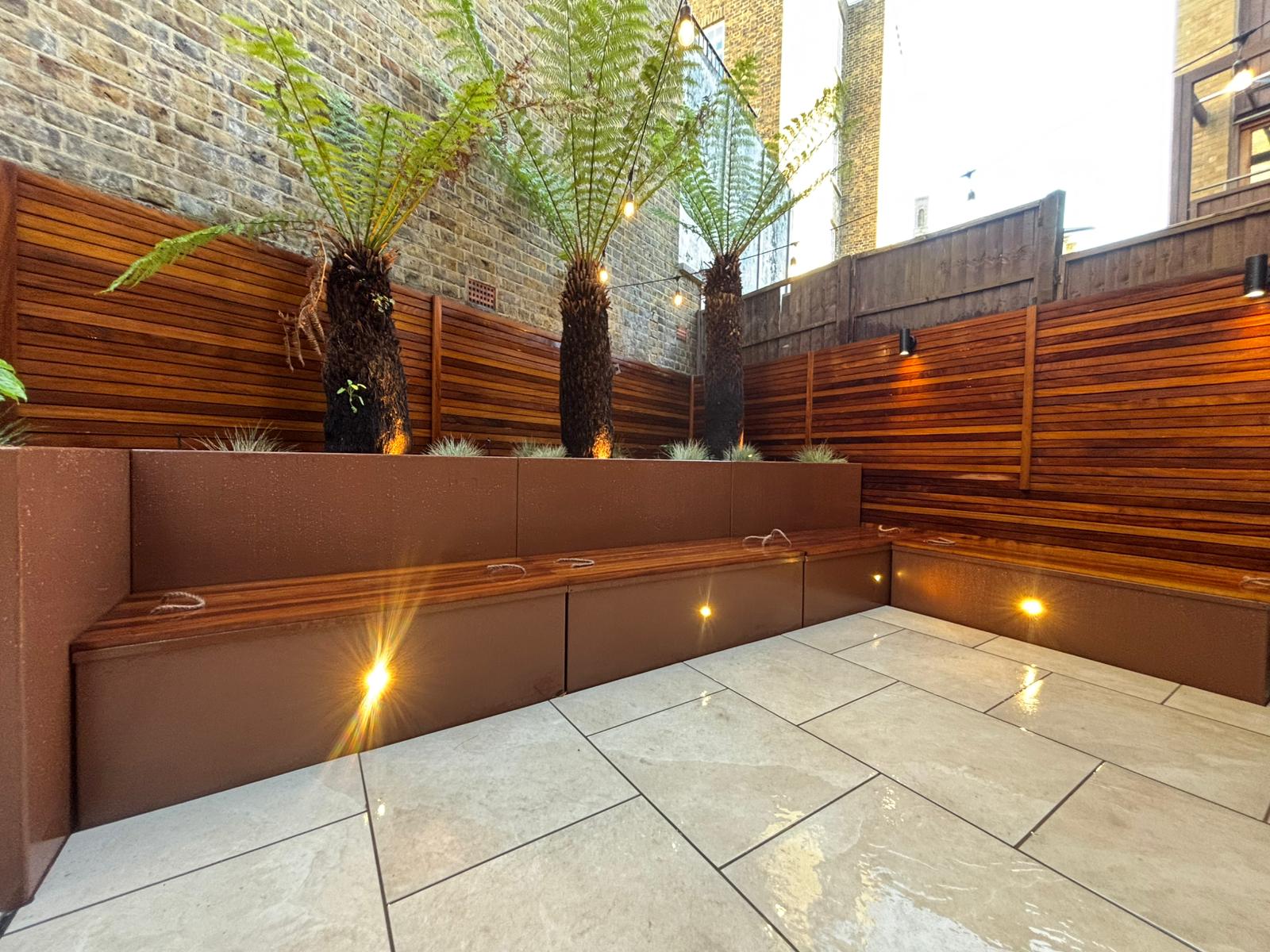
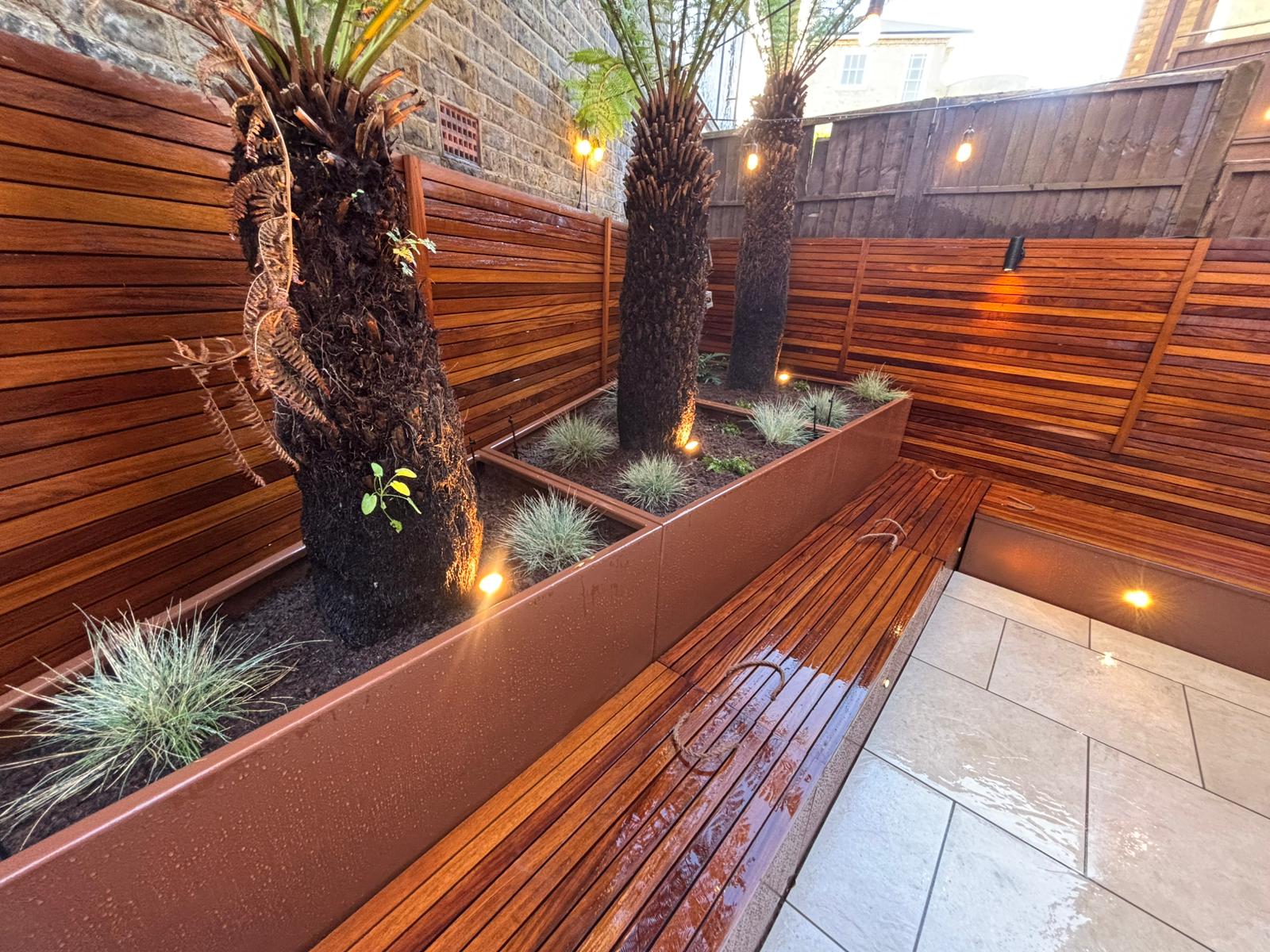
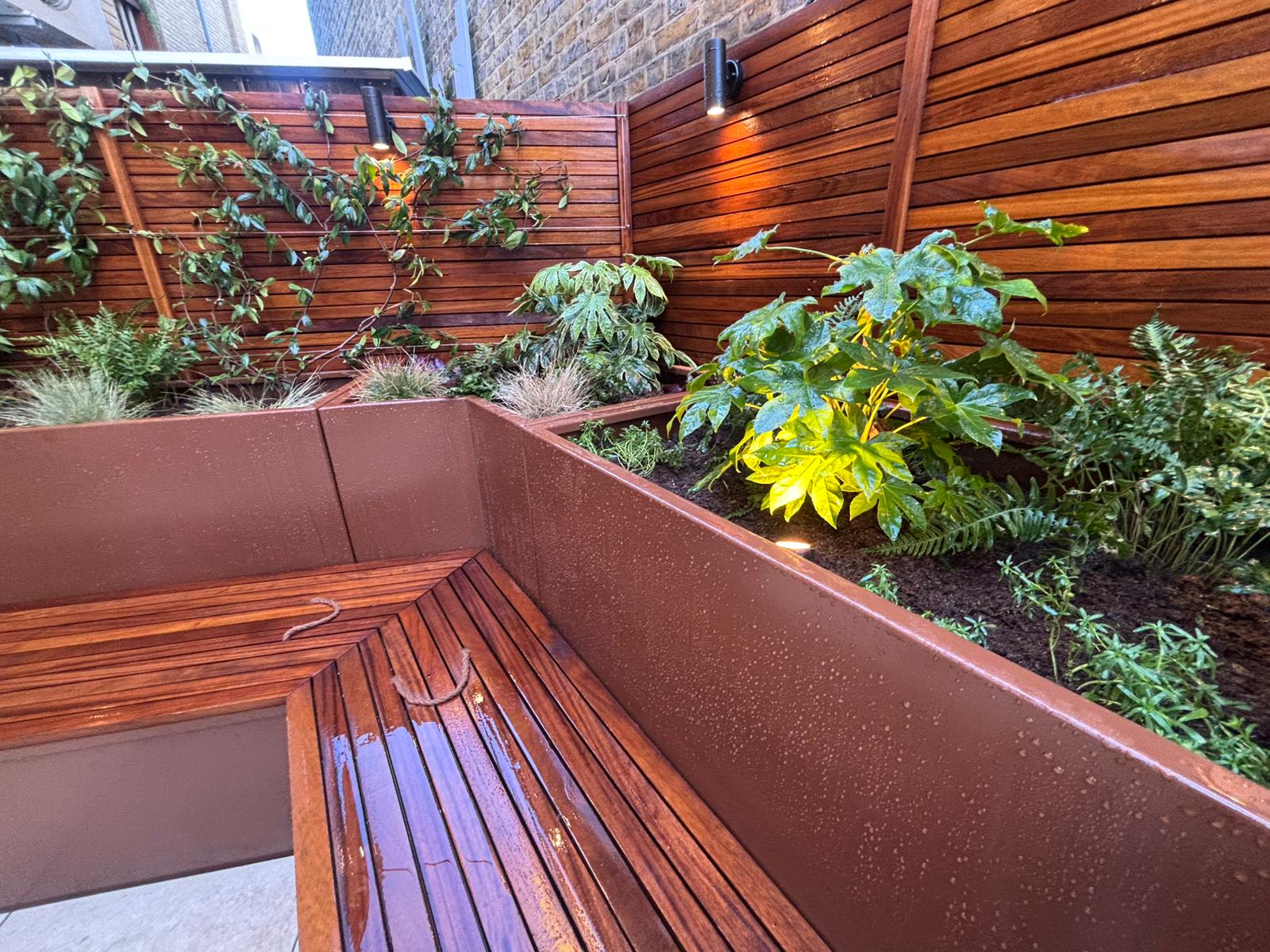
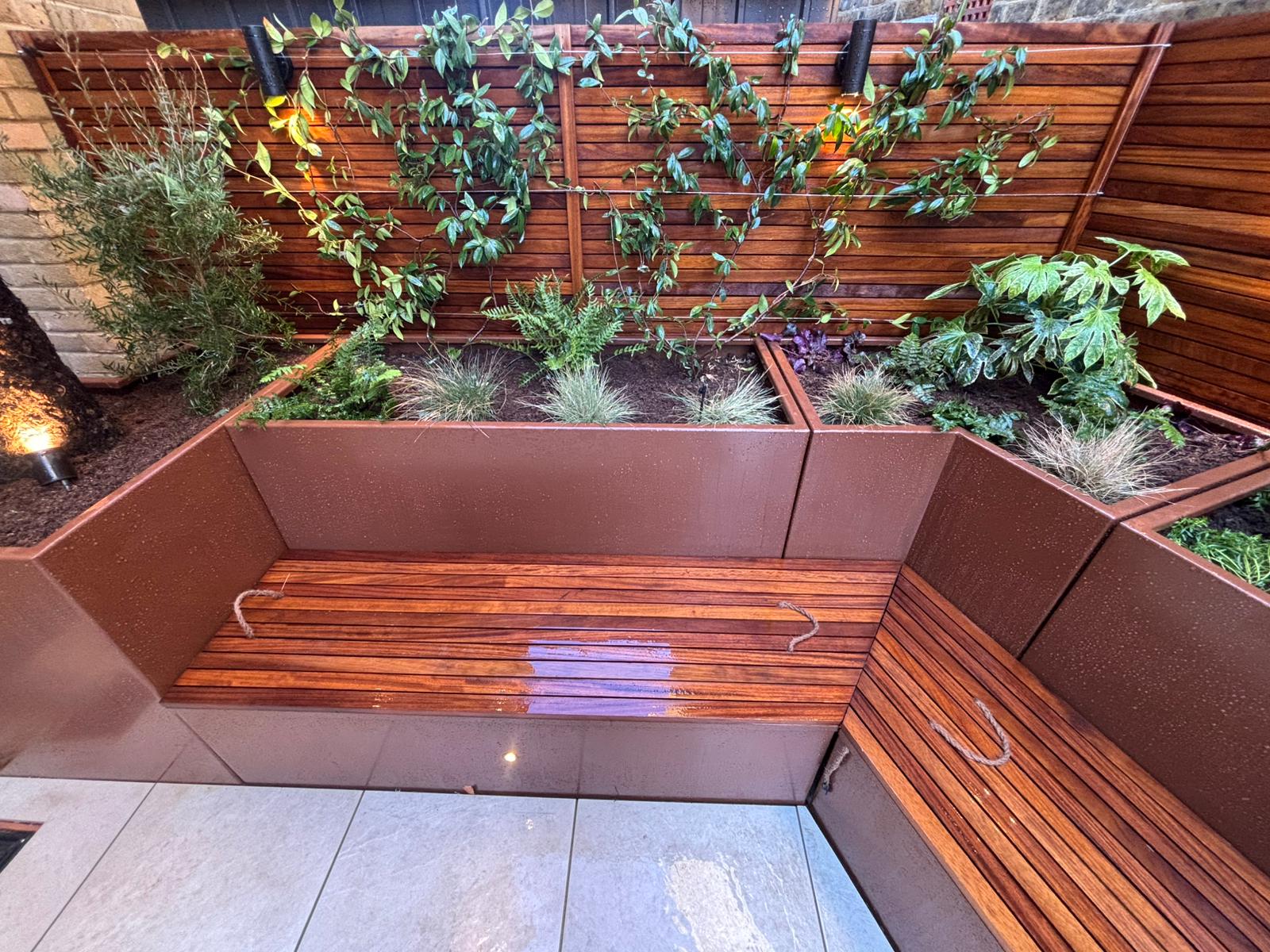
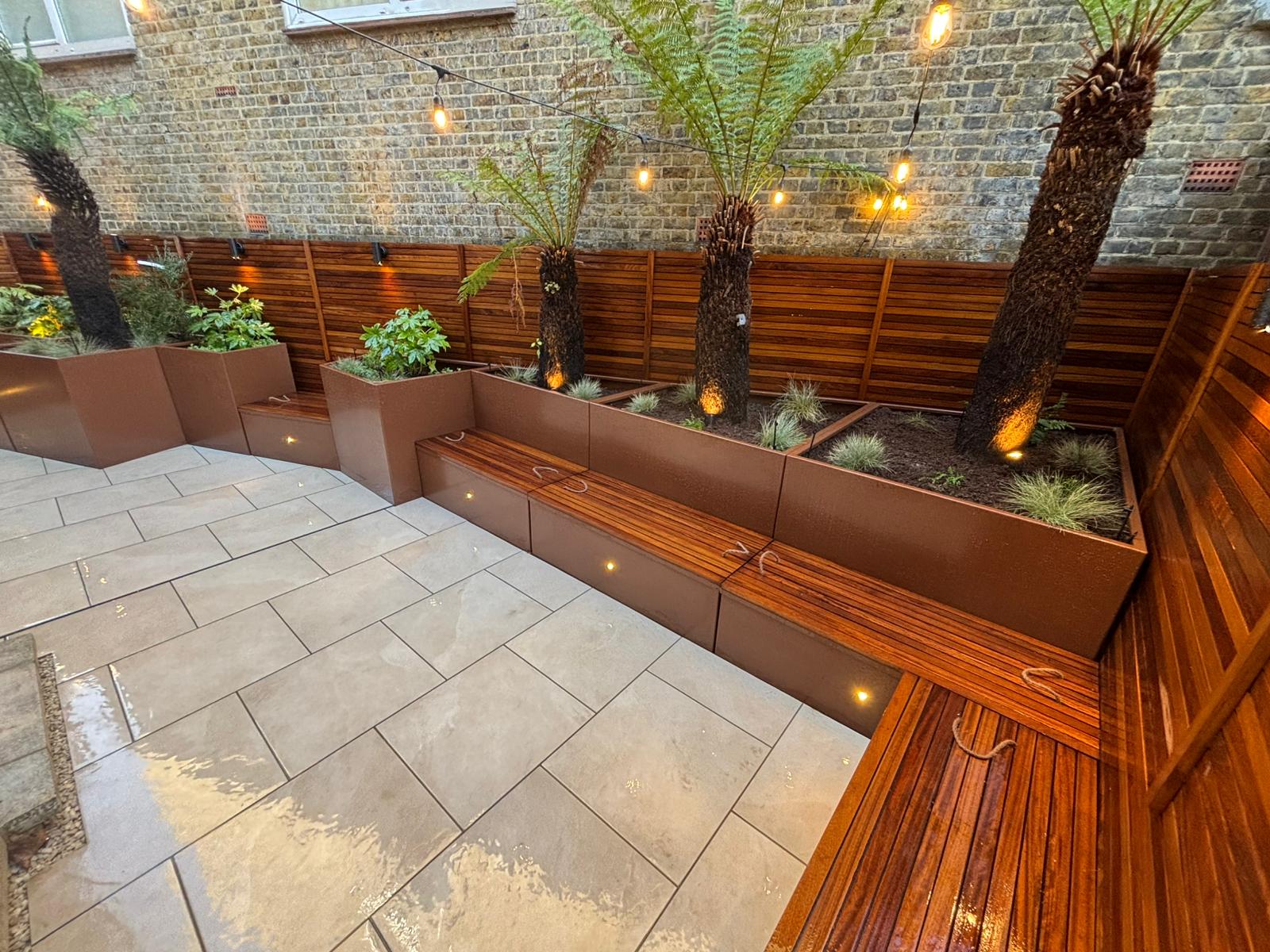
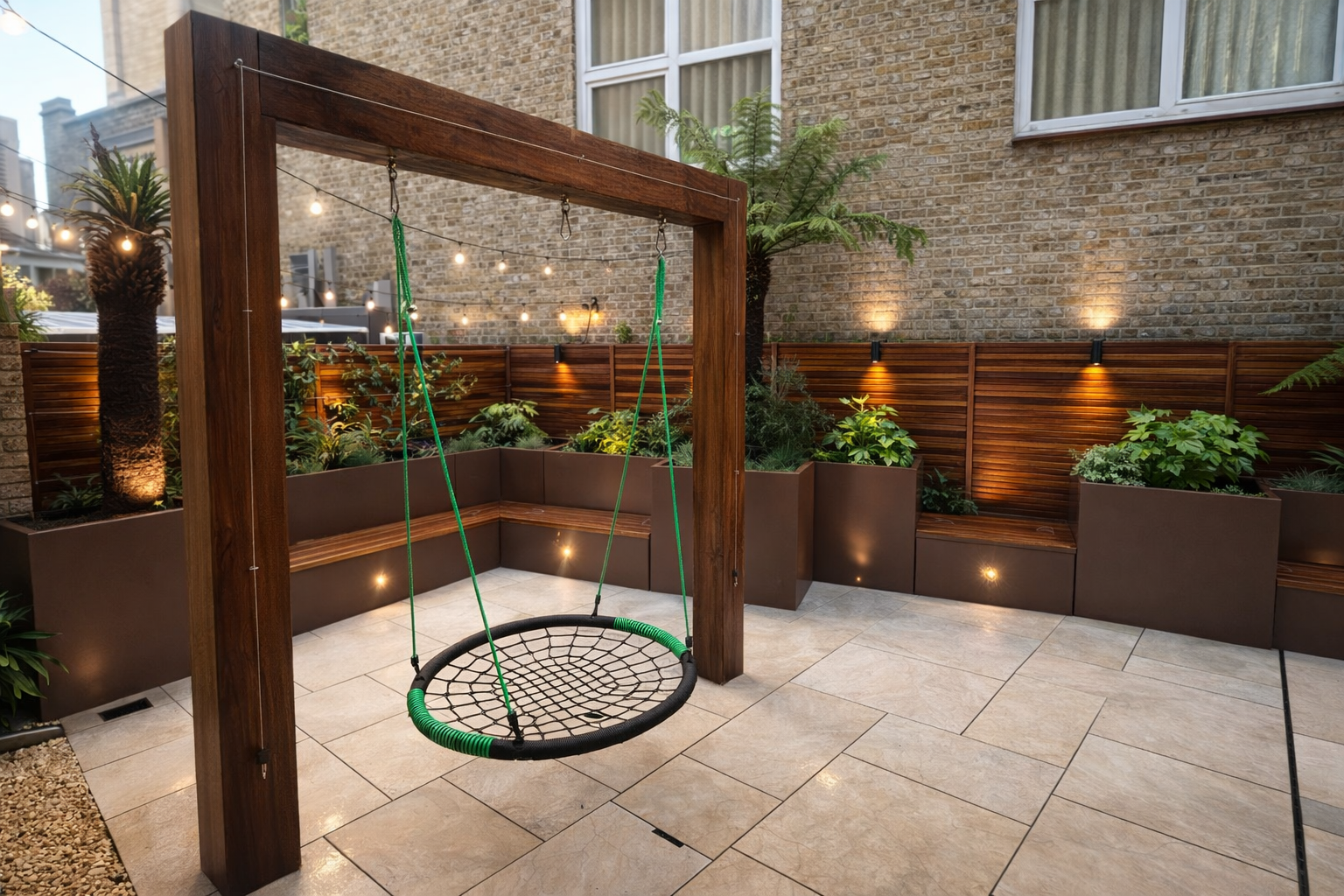
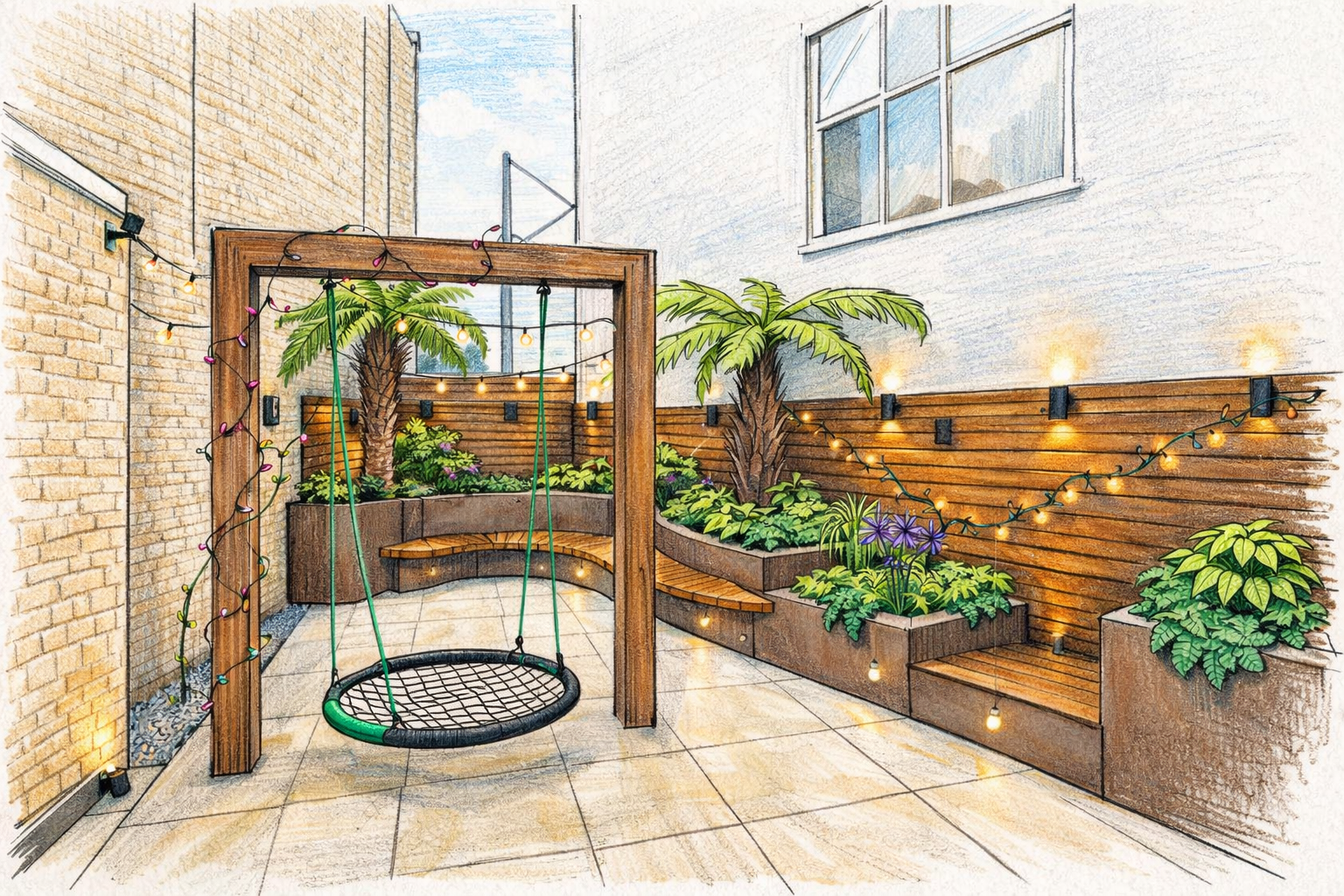
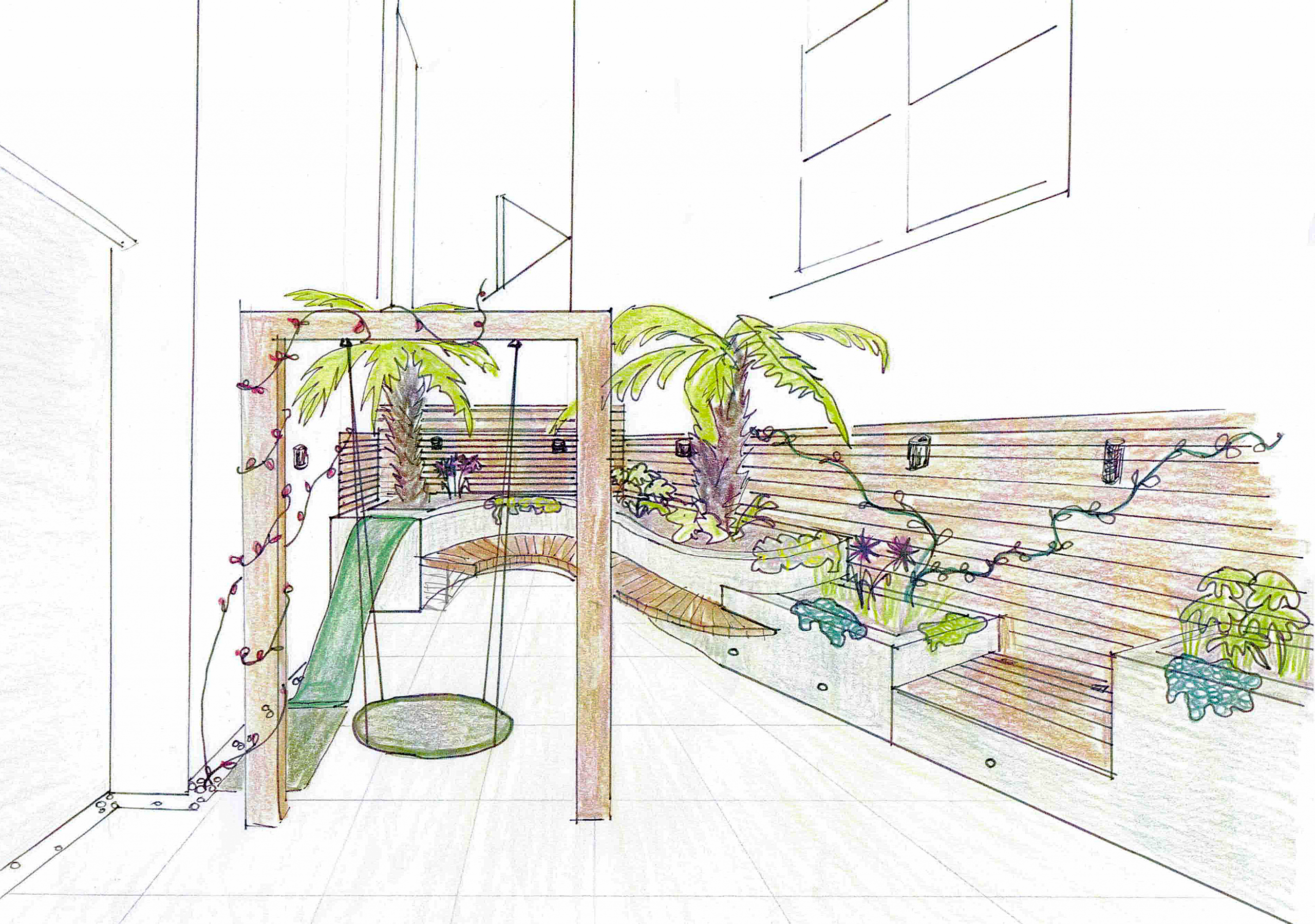
This contemporary London courtyard garden has been carefully designed to maximise space, privacy and year-round enjoyment. Clean porcelain paving creates a calm, low-maintenance base, while bespoke raised planters introduce layered planting and soften the urban setting. A striking timber pergola with a suspended nest swing forms a playful yet architectural focal point, perfect for family use and relaxed entertaining.
Warm integrated lighting, horizontal timber screening and evergreen planting enhance privacy and extend the use of the garden into the evening, making this small courtyard garden design feel both intimate and luxurious. Designed specifically for a compact urban plot, this scheme demonstrates how thoughtful garden design in London can transform a courtyard into a functional, stylish outdoor living space.
The original Soil Sisters – at our heart are two friends who have been Soul Sisters since starting infants’ school together. If you ask them, they may tell you what year this was…
Together they represent over 30 years of design experience and between them have designed over 400 gardens, including a medal winning design at Hampton Court Flower Show.
Sarah listened to what we were looking for and the final result has genuinely changed the way we use our space. The garden is something that we will enjoy for many years to come
Our designer, did a fantastic job of helping us refine what we wanted in our new garden, sharing their experience and knowledge along the way.
Sarah and Helen gave our small garden a complete makeover. They talked to us about our likes and dislikes and how we wished to use the garden and then came up with a beautiful design. Our garden was transformed from a plain, paved urban area across multiple levels to a stunning, tranquil two level haven
The design was excellent, everything we had hoped for, with extended patio, pergola leading to a seating area, water feature and an excellent selection of flowering trees, shrubs and other plants. The raised flower beds added an extra dimension to the garden.
Sarah, carefully considered our requirements and came up with a unique design to make the garden a space for us adults to relax and for the kids to enjoy year round.
The design and consultation was fantastic, the hand drawn designs and 3D examples really brought the project to life. It's a delight to sit outside and soak up the new garden, our patio looks much better now also! Would highly recommend the team.
Soil Sisters created an excellent garden design for us, for a tricky small garden, that we were really happy with.
After a careful and considered consultation process they delivered us a teriffic design which had everything we asked for but also went beyond our expectations and combined their own excellent knowledge of gardening and planting to give us a much richer design than we could ever have envisioned.
The Soil Sisters team were lovely helping us with redesigning our garden. From clarifying our requirements over getting the design fully worked out to finding a contractor who could execute the design, we always felt well looked after and taken care of! We would work with them again.