
A cottage garden planting scheme brings together roses, delphiniums, foxgloves and lavender in dense, informal drifts that bloom from March through October. The traditional English cottage garden uses 15 to 25 plant varieties layered by height, with self-seeding annuals filling gaps between structural perennials. This guide shows you how to create your own cottage planting scheme for SE England conditions, with ready-to-use plans for clay and chalk soils.
What is a Cottage Garden Planting Scheme?
A cottage garden planting scheme is a deliberate plant selection and layout designed to create the abundant, informal look of a traditional English cottage garden while ensuring year-round structure and seasonal succession.
The style originated in medieval labourers' gardens where flowers, herbs and vegetables grew together in productive but beautiful combinations. Modern cottage schemes recreate that layered, self-seeding abundance using hardy perennials, climbing roses and billowing clouds of self-seeders.
Key principles:
- Dense, layered planting with no bare soil visible
- Informal grouping in odd numbers (groups of 3, 5 or 7)
- Repetition of key plants for rhythm without formality
- Self-seeding annuals and biennials filling gaps
- Climbing roses and clematis on walls and arches
- Fragrant plants near paths and seating
- Seasonal succession from spring bulbs through to autumn asters
A well-planned cottage garden scheme needs about 80 to 120 plants for a 3m x 6m border, with a mix of structural evergreens (15%), spring bulbs (20%), summer perennials (50%), and self-seeders (15%).
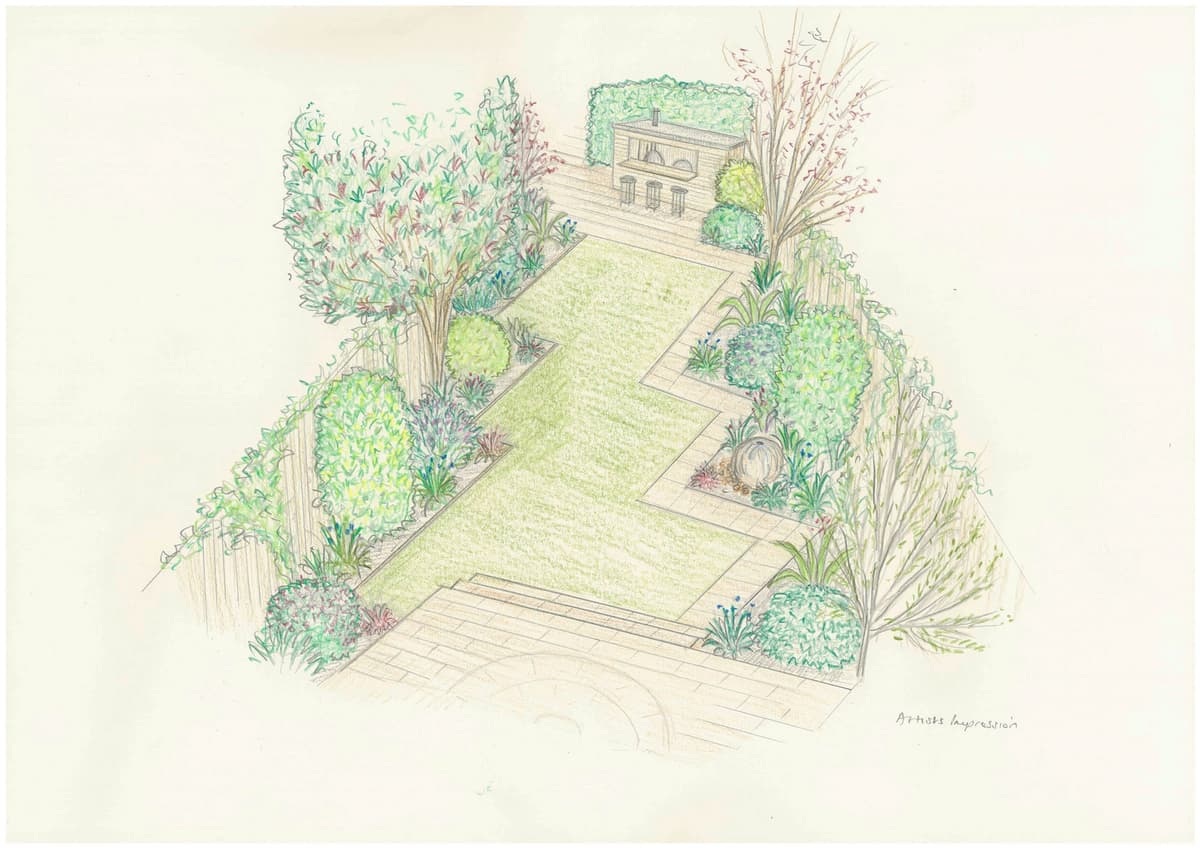
Cottage Garden Principles for SE England
Soil Considerations
SE England gardens sit on three main soil types that affect plant selection:
London Clay (most of London, Essex, Kent valleys, north Surrey)
Heavy, sticky, slow-draining soil that stays cold in spring and cracks in summer. Cottage garden plants for clay need strong root systems. Best choices: roses (they love clay), hardy geraniums, asters, campanulas, hellebores, peonies, delphiniums.
Improve clay before planting by digging in 5-8cm of garden compost or well-rotted manure. Add horticultural grit (10 litres per square metre) to heavy clay to open structure. For comprehensive clay improvement methods, see our guide to garden design for Kent where London clay dominates.
Chalk Downs (North Downs of Kent and Surrey, Chilterns)
Free-draining alkaline soil (pH 7.5-8) that dries quickly in summer. Cottage garden classics thrive on chalk: lavender, pinks, scabious, hardy geraniums, catmint, roses. Avoid acid-lovers like rhododendrons and camellias.
Add organic matter annually to chalk soils to improve moisture retention. Mulch in March with 5cm garden compost. Chalk soil warms quickly in spring, giving you a longer growing season than clay.
Sandy Loam (Coastal Essex, parts of Surrey)
Light, free-draining soil that warms quickly but needs regular feeding. Most cottage garden plants thrive in sandy loam. Add compost annually to build organic matter and feed regularly through the growing season.
Climate and Aspect
SE England gardens benefit from lower rainfall (500-750mm annually vs 1,000mm+ in the west) and warmer summers, but face cold easterly winds in spring that damage tender new growth.
South-facing borders: Full sun 6+ hours daily. Perfect for the full cottage garden palette including roses, lavender, delphiniums. Risk of drought stress July-August on chalk and sand – mulch heavily and consider irrigation.
West-facing borders: Afternoon and evening sun, shelter from cold east winds. Ideal for cottage gardens. Slightly moister conditions suit foxgloves, ferns and shade-edge plants at the back of borders.
East-facing borders: Morning sun, shade after midday. Reduce roses and lavender, increase hellebores, pulmonaria, hardy geraniums and foxgloves that tolerate part-shade.
North-facing borders: Challenging for traditional cottage style. Focus on shade-tolerant cottage plants: hellebores, foxgloves, Solomon's seal, pulmonaria, hardy ferns, astrantia, Japanese anemones. See our shade garden design guide for full shade planting schemes.
The Essential Cottage Garden Plant List
Structural Plants (the backbone)
Roses – The absolute must-have for any cottage garden. Roses provide height, structure, fragrance and repeat flowering June to October.
For clay soils: Rosa 'Gertrude Jekyll' (warm pink, strong myrrh scent, 1.2m), Rosa 'The Generous Gardener' (soft pink, arching habit, 1.5m), Rosa 'Munstead Wood' (deep crimson, compact, 1m).
For chalk soils: Rosa 'Graham Thomas' (rich yellow, glossy foliage, 1.5m), Rosa 'Lady Emma Hamilton' (orange-apricot, disease-resistant, 1.2m), Rosa 'Boscobel' (deep pink, compact, 90cm).
Cost: Bare-root roses £18-£28 each (David Austin), container-grown £22-£35. Plant bare-root November to March, container-grown any time.
Lavender – Front-of-border structure and fragrance. Forms low hedges along paths.
For clay: Lavandula x intermedia 'Grosso' (late flowering, vigorous, tolerates heavier soils better than angustifolia types).
For chalk: Lavandula angustifolia 'Hidcote' (classic deep purple, compact 60cm) or 'Munstead' (lighter purple, slightly taller 75cm).
Cost: £7-£12 per plant. Buy in threes or fives for impact. Plant March-April or September-October.
Delphiniums – Towering spires of blue, mauve, white or pink flowers in June-July. The quintessential cottage garden plant.
Varieties: 'Black Knight' (deep purple), 'Blue Jay' (mid blue white eye), 'Galahad' (pure white), 'Astolat' (shell pink).
Cost: £9-£15 per plant. Stake in May. Cut back after first flowering for smaller second flush in September. Protect young shoots from slugs in spring. Delphiniums need rich soil and shelter from wind.
Plant March-April in groups of 3-5 for impact.
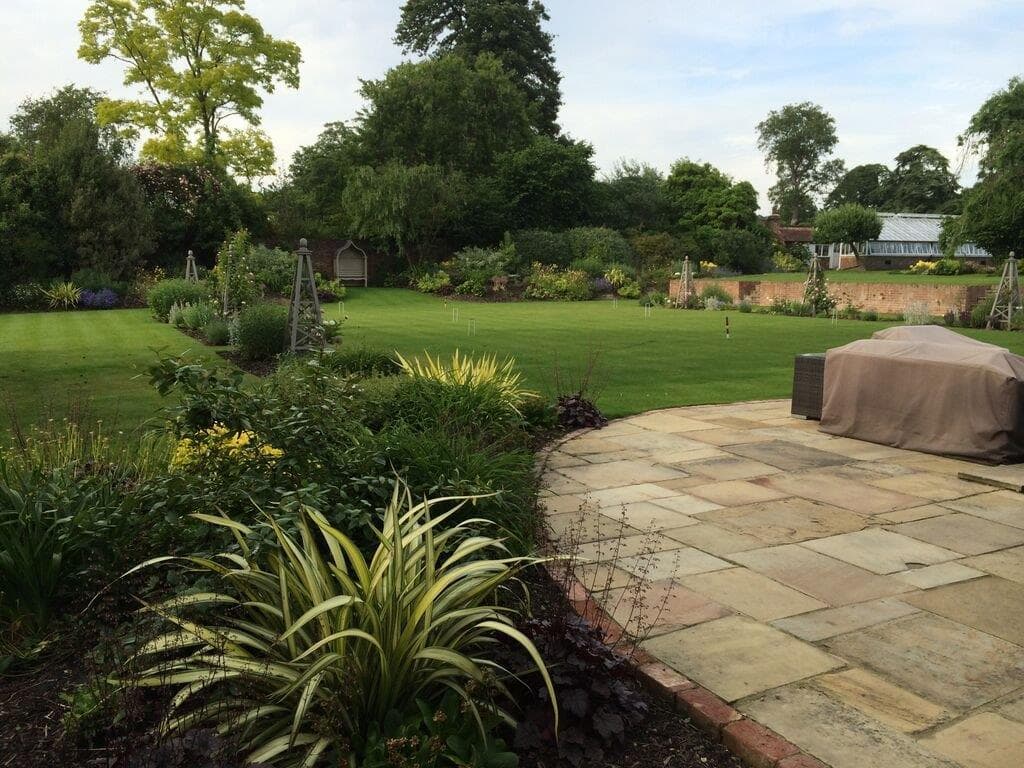
Mid-Border Perennials
Hardy Geraniums – Workhorses of the cottage border. Long flowering, drought-tolerant, self-supporting, good ground cover.
Best varieties: Geranium 'Rozanne' (blue, flowers May-October, 50cm spread, tolerates part-shade), G. 'Patricia' (magenta, compact 60cm), G. psilostemon (shocking magenta-pink, 90cm, architectural).
Cost: £8-£12 per plant. Plant in groups of 3-5. Shear back after first flowering for fresh foliage and second flush.
Peonies – Spectacular May-June flowers, long-lived (50+ years), good foliage structure June-October.
Best cottage varieties: Paeonia 'Sarah Bernhardt' (double pink, fragrant), P. 'Bowl of Beauty' (pink petals creamy centre), P. 'Duchesse de Nemours' (white, fragrant).
Cost: £18-£30 per plant. Plant September-October or March, crown 2.5cm below soil surface (critical for flowering). Takes 2-3 years to establish.
Foxgloves (Digitalis) – Biennial, self-seeding spires of tubular flowers in June-July.
Varieties: Digitalis purpurea (common foxglove, pink-purple), D. purpurea f. albiflora (white form), D. purpurea 'Sutton's Apricot' (soft peachy-pink).
Cost: £3-£5 per plant, or grow from seed (£2.50 per packet, sow April-July for flowers the following year). Self-seeds freely once established. Tolerates part-shade, prefers moist soil.
Campanulas (Bellflowers) – Easy, long-flowering, white-blue-purple bells June-August.
Best cottage varieties: Campanula lactiflora 'Prichard's Variety' (deep violet-blue, 90cm, self-supporting), C. persicifolia (peach-leaved bellflower, blue or white, 75cm, spreads gently).
Cost: £8-£12 per plant. Deadhead for extended flowering.
Phlox – Fragrant domed flower heads in July-September, pink-purple-white.
Best varieties: Phlox paniculata 'Bright Eyes' (pale pink dark eye), P. paniculata 'White Admiral' (pure white), P. paniculata 'Starfire' (deep red).
Cost: £9-£14 per plant. Needs moist soil and good air circulation (prone to mildew on dry soils or crowded borders).
Front-of-Border Plants
Catmint (Nepeta) – Billowing clouds of lavender-blue flowers May-September, silver-grey aromatic foliage.
Best variety: Nepeta 'Six Hills Giant' (90cm tall, vigorous, long-flowering, tolerates drought).
Cost: £8-£11 per plant. Shear back after first flush for repeat flowering. Plant in groups of 3-5 along border edges.
Alchemilla mollis (Lady's Mantle) – Lime-green frothy flowers June-August, scalloped leaves catch water droplets.
Cost: £7-£10 per plant. Self-seeds freely (deadhead after flowering to control spread). Excellent edging plant, softens hard landscaping. Tolerates part-shade.
Alliums – Architectural spheres of purple flowers May-June on tall stems above low foliage.
Best varieties: Allium 'Purple Sensation' (deep purple, 90cm, £8 per 10 bulbs), A. hollandicum (lilac-purple, 100cm, £10 per 10 bulbs).
Plant September-November, 10-15cm deep. Leave seed heads standing for winter structure.
Pinks (Dianthus) – Low mats of silver-grey foliage, fragrant single or double flowers May-July.
Best cottage varieties: Dianthus 'Mrs Sinkins' (white, double, strong clove scent), D. 'Doris' (salmon-pink semi-double).
Cost: £6-£9 per plant. Perfect for chalk soils. Plant along path edges where you brush past and release scent.
Self-Seeding Gap Fillers
Aquilegias (Columbines) – Delicate spurred flowers in May-June, blue-pink-white-purple. Self-seeds freely, creating natural-looking drifts.
Cost: £6-£9 per plant, or grow from seed. Tolerates part-shade. Deadhead to prevent excessive seeding if needed, but allow some to self-sow.
Honesty (Lunaria) – Biennial with purple-pink flowers April-June, followed by silvery seed pods for winter arrangements.
Cost: £4-£6 per plant or grow from seed. Self-seeds generously. Tolerates shade. Purple flowers complement spring tulips.
Love-in-a-Mist (Nigella) – Delicate blue flowers June-August, feathery foliage, architectural seed pods.
Cost: £2.50 per seed packet. Sow direct March-May and August-September. Self-seeds freely once established.
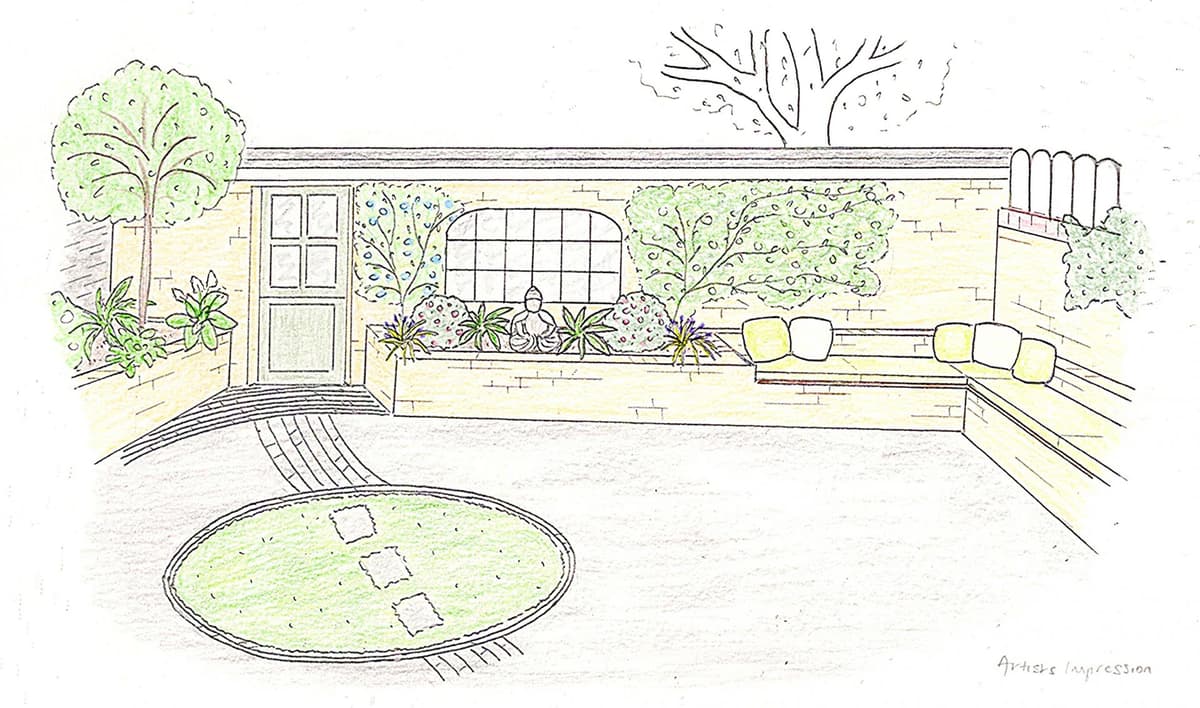
Three Ready-to-Use Cottage Garden Planting Schemes
Small Cottage Border (3m x 2m)
Situation: South-facing border, London clay soil improved with compost and grit
Total plants: 42
Total cost: £480-£650
Plant list:
Back row (1.5-2m):
- 1 x Rosa 'Gertrude Jekyll' (£28)
- 3 x Delphinium 'Black Knight' (£42)
- 2 x Foxglove white (£8)
Mid-border (60-90cm):
- 3 x Geranium 'Rozanne' (£33)
- 3 x Campanula lactiflora 'Prichard's Variety' (£30)
- 1 x Paeonia 'Sarah Bernhardt' (£25)
- 3 x Phlox 'White Admiral' (£36)
Front row (30-50cm):
- 5 x Lavandula 'Hidcote' (£50)
- 5 x Nepeta 'Six Hills Giant' (£45)
- 5 x Alchemilla mollis (£40)
- 20 x Allium 'Purple Sensation' bulbs (£16)
Self-seeders (scatter seed):
- Aquilegia mixed (1 packet £2.50)
- Nigella (1 packet £2.50)
- Digitalis purpurea (allow existing foxgloves to self-seed)
Planting order:
- October-November: Plant rose bare-root, peony bare-root, allium bulbs 10cm deep
- March-April: Plant container-grown perennials, scatter aquilegia and nigella seed
- May: Stake delphiniums with bamboo canes
Maintenance:
- Deadhead roses weekly June-September
- Cut back delphiniums after first flowering (July)
- Shear nepeta and geraniums mid-July for second flush
- Mulch with 5cm compost each March
- Feed roses March and June with rose fertiliser
Medium Cottage Border (6m x 4m)
Situation: West-facing border, chalk soil
Total plants: 95
Total cost: £980-£1,280
Plant list:
Back row (1.5-2m):
- 2 x Rosa 'Graham Thomas' (£56)
- 1 x Rosa 'The Generous Gardener' (£28)
- 5 x Delphinium mixed blues (£65)
- 3 x Foxglove 'Sutton's Apricot' (£12)
- 1 x climbing Clematis 'Perle d'Azur' on wall (£18)
Mid-border (60-90cm):
- 5 x Geranium 'Patricia' (£50)
- 5 x Geranium psilostemon (£55)
- 3 x Paeonia 'Bowl of Beauty' (£75)
- 5 x Campanula persicifolia blue (£45)
- 5 x Phlox 'Bright Eyes' (£60)
- 5 x Salvia nemorosa 'Caradonna' (£50)
- 3 x Achillea 'Terracotta' (£27)
Front row (30-50cm):
- 7 x Lavandula angustifolia 'Munstead' (£77)
- 7 x Nepeta 'Six Hills Giant' (£70)
- 7 x Alchemilla mollis (£56)
- 5 x Dianthus 'Mrs Sinkins' (£35)
- 5 x Dianthus 'Doris' (£35)
- 40 x Allium hollandicum bulbs (£40)
- 30 x Crocus tommasinianus bulbs (£12)
- 30 x Narcissus 'Thalia' bulbs (£18)
Self-seeders:
- Aquilegia mixed (2 packets £5)
- Nigella (1 packet £2.50)
- Lunaria (1 packet £2.50)
- Digitalis purpurea (allow to self-seed)
Maintenance note: Chalk soil needs annual mulching with garden compost to retain moisture. Mulch 5cm deep each March around (not touching) plant stems.
Large Cottage Border (10m x 6m)
Situation: South-facing border, mixed clay-loam
Total plants: 180+
Total cost: £1,850-£2,400
This large scheme uses the same plant palette as the medium border but increases quantities and adds:
Additional structural plants:
- 2 x Philadelphus 'Belle Etoile' (mock orange, fragrant white flowers June) £40
- 1 x Weigela 'Florida Variegata' (pink flowers May-June, cream-edged leaves) £18
- 3 x Thalictrum 'Elin' (delicate pink flowers July-August, 2m tall) £45
Additional mid-border perennials:
- Astrantia 'Roma' (pink pincushions June-August)
- Veronicastrum virginicum 'Adoration' (purple spires July-September)
- Echinacea purpurea (coneflower, pink daisy flowers July-September)
For a detailed planting plan and full plant list for large borders, contact our garden design team – we can create a bespoke cottage garden scheme tailored to your space.
Cottage Garden Planting Calendar
Autumn (September-November)
September:
- Order bare-root roses and peonies for October-November planting
- Plant spring bulbs: crocus, scilla, chionodoxa (small early bulbs)
- Divide and replant overcrowded hardy geraniums and asters
October:
- Plant bare-root roses (best month)
- Plant narcissus, allium and other spring bulbs
- Plant bare-root peonies
- Take hardwood cuttings of roses
November:
- Final chance for bare-root rose planting
- Plant tulip bulbs (wait until November for tulips - earlier planting increases tulip fire fungal disease risk)
- Cut back perennials or leave standing for winter structure
- Mulch tender plants with compost or bark
Winter (December-February)
December-February:
- Order seeds and plants for spring
- Check rose ties and stakes after winter storms
- Weed on mild days (easier to pull perennial weed roots from soft winter soil)
- Prune climbing roses and rambler roses in late January-February
Spring (March-May)
March:
- Plant container-grown roses, perennials, lavender
- Mulch borders with 5cm garden compost or well-rotted manure
- Feed roses with rose fertiliser
- Stake delphiniums and other tall perennials with support rings
- Protect new delphinium shoots from slugs (copper tape, crushed eggshells, or organic slug pellets)
- Sow hardy annual seeds direct: nigella, calendula, cornflower
April:
- Plant container-grown perennials
- Sow more hardy annual seeds
- Plant summer-flowering bulbs: gladioli, lilies
- Cut back lavender (trim by one-third, never into old wood)
May:
- Deadhead tulips (remove flower heads, leave foliage to die back naturally)
- Final staking of delphiniums
- Plant tender perennials: penstemons, salvias
- Pot on or plant out sweet pea seedlings
- Apply mulch if not done in March
Summer (June-August)
June:
- Deadhead roses every 5-7 days for continuous flowering
- Cut back nepeta, hardy geraniums after first flush for second flowering
- Sow biennial seeds (foxgloves, hollyhocks, sweet williams) for flowers next year
- Tie in climbing rose new growth
- Water new plantings during dry spells
July:
- Continue deadheading roses
- Cut back delphiniums after flowering (cut to ground, feed with liquid fertiliser, water well - they may produce smaller second flush in September)
- Shear back alchemilla if it's sprawling or seeding too enthusiastically
- Take semi-ripe cuttings of lavender, pinks, penstemons
August:
- Continue deadheading
- Collect seed from self-seeders you want more of (foxgloves, honesty, aquilegia)
- Reduce watering as month progresses (hardens plants for winter)
- Order spring bulbs for autumn planting
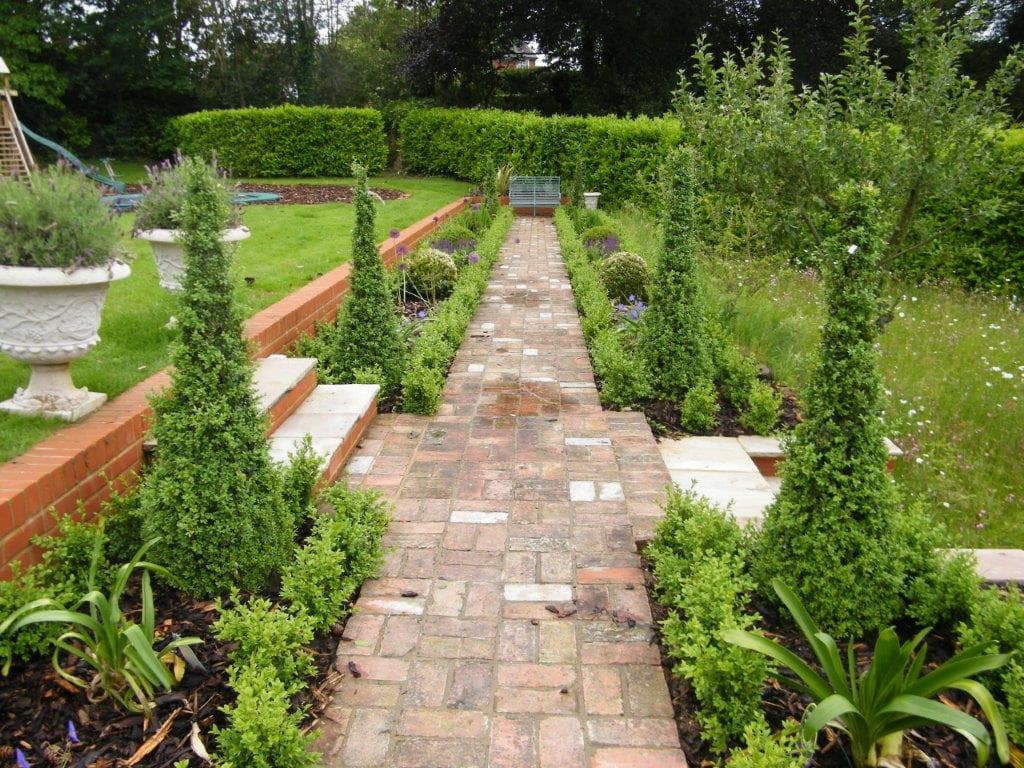
Costs and Where to Buy
Total cost for a medium cottage garden border (6m x 4m):
- Plants: £980-£1,280
- Soil improvement (compost, grit): £80-£150
- Mulch: £40-£70
- Supports and stakes: £30-£50
- Total: £1,130-£1,550
This creates a fully planted mature-looking border. Costs reduce significantly in subsequent years as you divide existing plants and allow self-seeders to fill gaps naturally.
Where to buy cottage garden plants:
Specialist growers (best quality, widest choice):
- David Austin Roses – davidaustinroses.co.uk – Bare-root roses £18-£35, outstanding varieties bred specifically for scent and repeat flowering
- Crocus – crocus.co.uk – Perennials £7-£15, ready-made border collections
- Sarah Raven – sarahraven.com – Seeds and plants focused on cutting gardens and cottage style
- Hayloft Plants – hayloft.co.uk – Wide perennial selection, new varieties
Garden centres (immediate availability, see before buying):
- RHS Wisley – Surrey – Excellent plant centre, knowledgeable staff
- Notcutts – Multiple SE locations – Good rose and perennial selection
- Tendercare Nurseries – Kent – Family-run, helpful local knowledge
Budget options:
- Aldi and Lidl – Seasonal bare-root roses February-March (£6-£8, surprisingly good quality)
- Wilko – Summer bedding plugs £3-£5
- Your own divisions – Divide established geraniums, asters, campanulas in March or September for free plants
Common Mistakes and How to Avoid Them
Planting too formally
Cottage gardens are not bedding displays. Straight rows, equal spacing and colour blocks destroy the cottage feel. Plant in irregular drifts of odd numbers. Allow plants to lean, flop and mingle. Accept some untidiness - it's part of the charm.
Forgetting winter structure
A cottage garden needs evergreen structure for winter: lavender, shrub roses (leave hips), hellebores (evergreen foliage), euphorbia (evergreen). Don't cut everything back in autumn. Leave seed heads standing on echinacea, sedum, alliums, teasels for winter interest and birds.
Underestimating mature spread
Geranium 'Rozanne' spreads 75cm. Nepeta reaches 90cm across. Campanula lactiflora forms 60cm clumps. Space plants for their mature size (usually 2-3 years), even though the border looks sparse in year one. Gaps fill quickly with self-seeders.
Planting too shallowly
Peonies must be planted with the crown no more than 2.5cm below soil surface. Deeper planting means no flowers. Roses need the graft union (swollen knobble at stem base) at or just below soil level. Plant too deep and they sulk.
Skipping soil preparation
Cottage garden plants are perennials that will grow in the same spot for 5-15 years. Taking time to improve soil before planting - digging in compost, breaking up compaction, adding grit to clay - pays off every year. Poor soil preparation means weak plants, more pest/disease problems and disappointing flowering.
Ignoring aspect and microclimate
Not all cottage plants suit all situations. Lavender and roses need sun and good drainage - they rot in damp shade. Foxgloves and hellebores tolerate shade. Delphiniums need shelter from wind. Observe your garden's conditions and choose plants accordingly.
For professional help with your cottage garden planting scheme, Soil Sisters can design a tailored plan for your specific soil, aspect and budget. Our garden design service in Kent, Surrey and London includes detailed planting plans with plant lists, suppliers and seasonal maintenance guides.
How We Can Help
Soil Sisters creates cottage garden planting schemes tailored to SE England conditions. We assess your soil type, microclimate and aspect, then design layered planting plans that thrive in your specific garden.
Our cottage garden design service includes:
- Site visit and soil assessment
- Bespoke planting plan with scale drawings
- Full plant list with suppliers and costs
- Seasonal planting calendar for your scheme
- Ongoing maintenance guide
- Option for full garden design and build
Design fees from £1,500. See our full garden design service or contact us for a free consultation.
We also offer specialised planting design across London, Kent, Surrey and Essex:
- Planting design London – Container planting, roof terraces, balcony gardens
- Contemporary garden design – Modern cottage mixes (grasses with traditional perennials)
- Wildlife garden design – Cottage planting for pollinators
- Mediterranean garden design – Hot-climate cottage planting for gravel gardens
- Low maintenance garden design – Easy-care cottage schemes with tough plants
For more garden design inspiration and practical advice, read our guides to how to brief a garden designer, UK garden design costs, and front garden design.