
A gravel garden is one of the smartest responses to the UK's increasingly unpredictable weather. The 2022 hosepipe bans, the 2024 summer droughts, and the growing awareness that watering a lawn twice a week is neither sustainable nor affordable have all driven interest in drought-tolerant planting. A gravel garden takes that principle and turns it into a design style that works, looks good, and once established, asks very little of you.
We've designed dozens of gravel gardens across Kent, Surrey and London over the past five years. The requests always follow the same pattern: a sunny front garden where the lawn has died back to dust, a south-facing courtyard that bakes in July, or a sloping bank where nothing thrives. The brief is usually "low maintenance, no watering, and something that looks intentional rather than neglected."
What surprises most clients is how quickly a gravel garden establishes. Within 18 months, the plants are large enough to suppress weeds, the gravel mulch holds moisture through dry spells, and the whole thing looks as if it's been there for a decade. Beth Chatto's famous Gravel Garden in Essex, created on a former car park in 1992 and never once irrigated, remains the proof that this approach works in the UK climate.
This guide covers everything you need to create a gravel garden in South East England: how to deal with heavy clay soil (which most of us have), what gravel to choose, which plants actually thrive in these conditions, realistic costs, and the maintenance reality after the first year.
What Is a Gravel Garden?
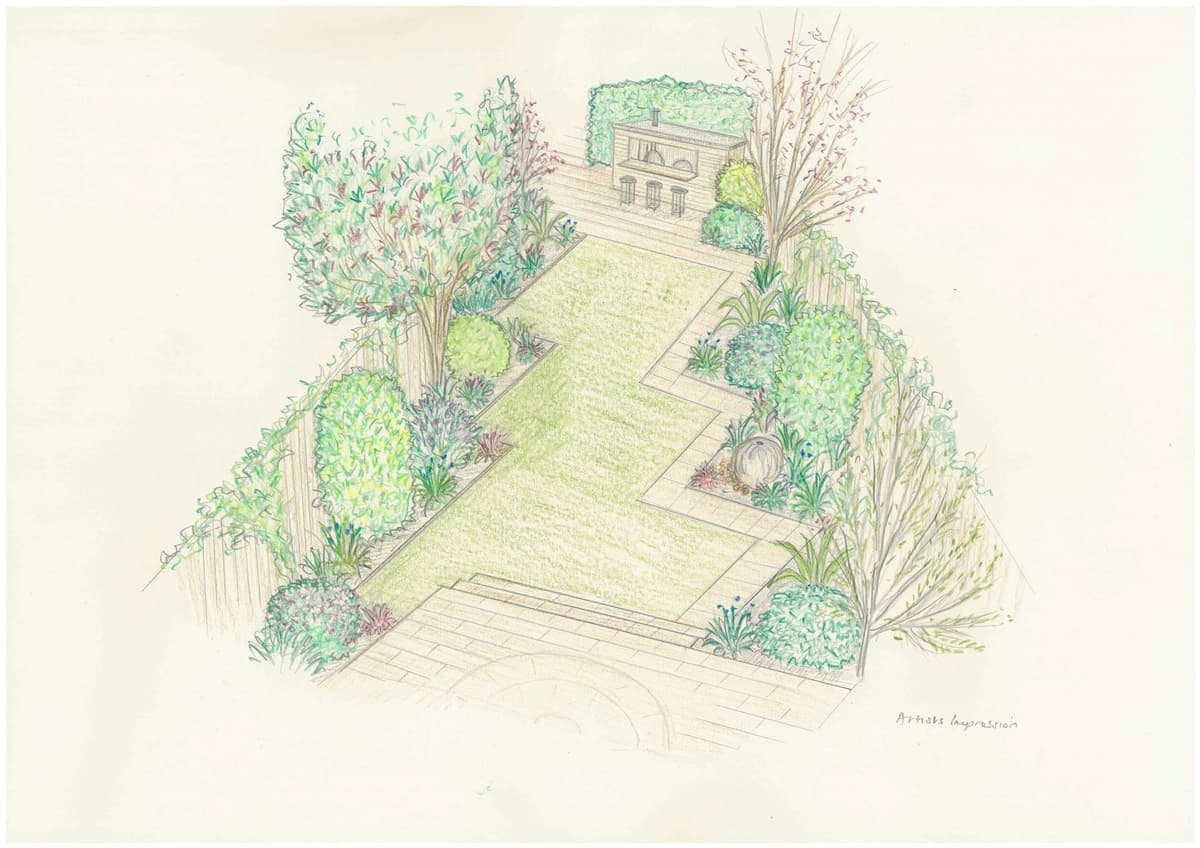
A gravel garden is a deliberately designed area where drought-tolerant plants grow through a thick layer of gravel mulch. The soil underneath is typically low-fertility, free-draining, and unimproved. The plants are chosen to thrive in those conditions rather than fight them.
The result looks soft, informal, and moves beautifully in the wind. It feels more like a wildflower meadow than a traditional border, but with far less maintenance and no need for irrigation after the first growing season.
Why Gravel Gardens Work in the UK
Beth Chatto proved the model in Essex. She converted a car park on bone-dry gravel rubble, planted it with drought-tolerant species, and never watered it. Thirty years later, it's one of the most visited gardens in Britain.
Benefits of a Gravel Garden
Low maintenance after establishment
Once the plants are in and the gravel is laid, you're looking at 2-3 hours of maintenance per month. No mowing, no feeding, no deadheading, no watering.
No irrigation needed after year one
You'll water the plants through their first summer. After that, nothing. Even in the 2022 drought, our clients' gravel gardens came through without intervention.
Wildlife-friendly
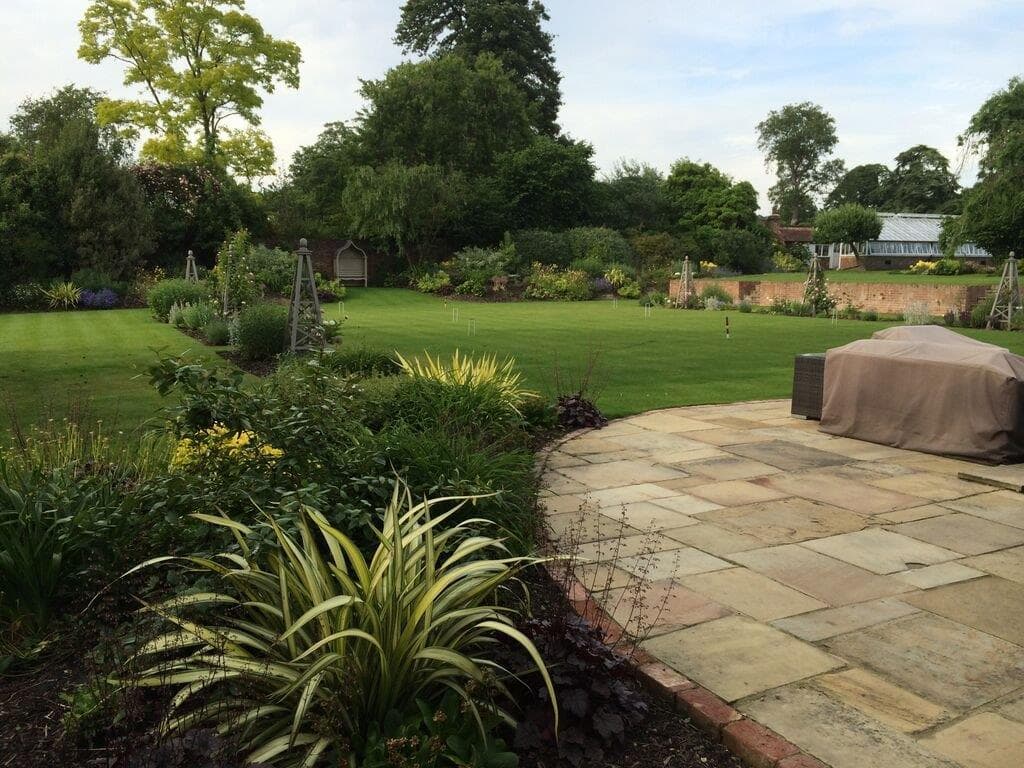
Gravel gardens are pollinator magnets. Lavender, eryngium, verbena, echinacea, salvia, and sedum all flower over long periods.
Cost-effective over time
Initial outlay is £15-30 per square metre DIY, £40-60 per square metre installed. That's far less than maintaining a lawn over five years.
Soil Preparation (The Critical Step)
For Heavy Clay Soil (Most of SE England)
The problem: London clay holds water. Drought-tolerant plants hate it.
The solution: Dig sharp horticultural grit into the top 30 cm of soil at a ratio of 10-15 cm grit per 30 cm soil.
What you need:
- Sharp horticultural grit (angular particles, 2-6 mm). NOT builder's sand.
- Calculate roughly 1 tonne of grit per 10-12 square metres
- Grit costs £40-60 per bulk bag (850 kg)
Choosing the Right Gravel
- 10 mm or smaller: Sticks to shoes, migrates indoors. Avoid.
- 20 mm (pea gravel or angular chippings): The sweet spot. Comfortable underfoot, doesn't migrate.
- 40 mm or larger: Looks like a building site.
Our Recommendations for SE England
- General planting: 20 mm golden pea gravel (£120-180 per bulk bag)
- Paths and slopes: 20 mm angular flint or Cotswold chippings (£150-200 per bulk bag)
Best Plants for SE England Gravel Gardens
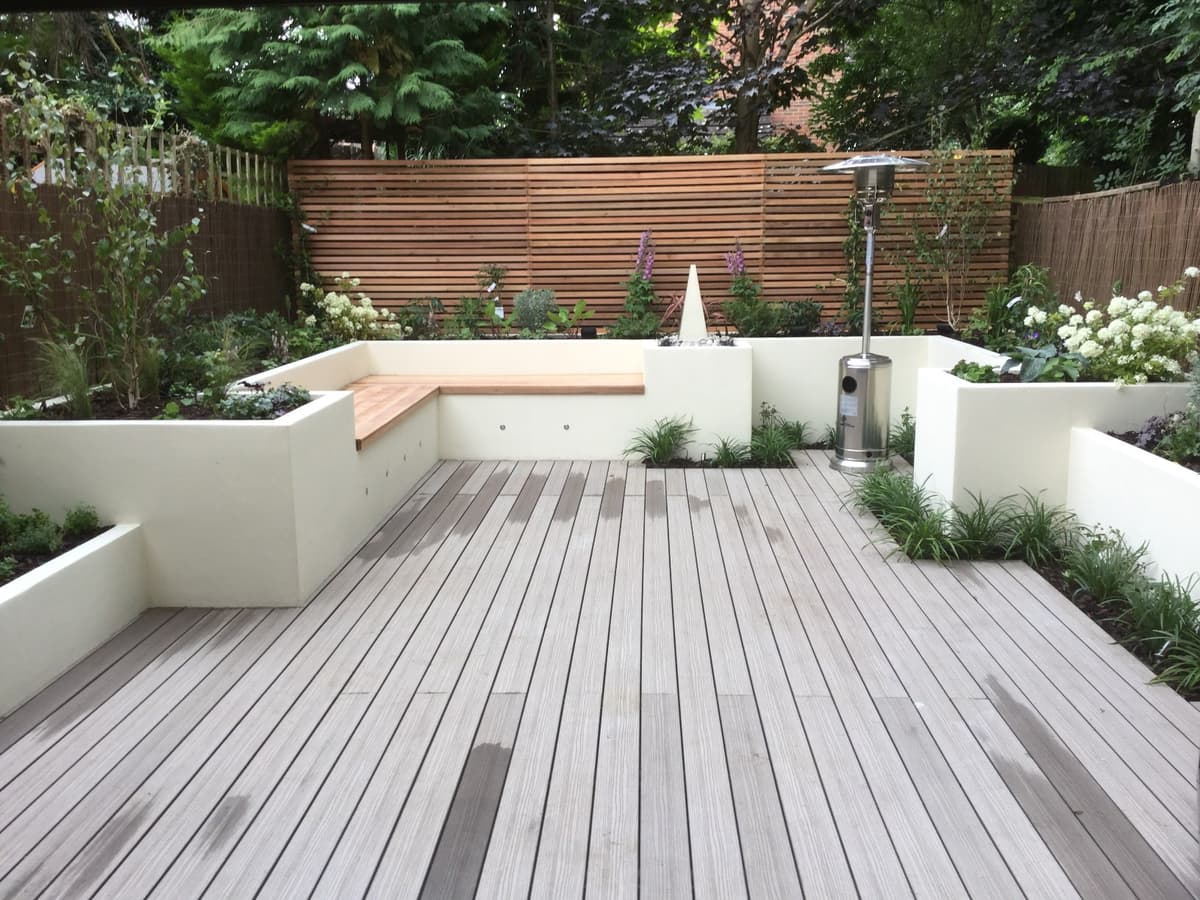
Structural Plants (90-150 cm)
Stipa gigantea: 180 cm in flower. Evergreen basal clump. £12-18
Verbena bonariensis: 120-150 cm. Purple June-Oct. £8-12
Eryngium 'Big Blue': 60-90 cm. Steel-blue July-Sept. £10-15
Mounding Plants (40-70 cm)
Lavandula angustifolia 'Hidcote': 60 cm. Deep purple June-Aug. £8-12
Santolina: 50 cm. Yellow June, silver foliage. £8-12
Salvia nemorosa 'Caradonna': 50-60 cm. Deep purple May-Sept. £8-12
Ground Cover (10-40 cm)
Thymus serpyllum: 5 cm tall, spreads 45 cm. Fragrant. £6-10
Sedum 'Autumn Joy': 45 cm. Pink Aug-Oct. £8-12
Alchemilla mollis: 40 cm. Lime-green June-July. £6-10
Space generously: plants will spread to fill gaps within 18-24 months. For more drought-tolerant planting schemes, see our Mediterranean garden design guide.
Installation: Key Steps
1. Mark Out: Use garden hose for curved, flowing shapes.
2. Prep Soil: On clay, spread 10-15 cm sharp grit and dig in thoroughly.
3. Plant First, Gravel Later: Critical. Do not lay gravel then try to plant.
4. Gravel Depth: 5-7 cm. Keep 2-3 cm away from plant crowns.
5. Water: Weekly for first 8 weeks, then every two weeks through first summer. After year one, stop watering.
Costs (2026 SE England)
DIY Gravel Garden (20 sqm)
| Sharp grit (if clay) | £80-120 |
| Gravel (20 mm) | £120-180 |
| Plants (40-60) | £200-400 |
| Total DIY | £530-930 |
Cost per sqm (DIY): £27-47
Installed by Landscaper (20 sqm)
Total: £1,430-2,200 | Per sqm: £72-110
For detailed cost breakdowns, see our garden design cost London, Kent, and Surrey guides.
Maintenance
Year One
Spring: Water weekly. Weed annuals. Summer: Water every 10-14 days. Autumn: Cut back or leave standing. Total: 30-40 hours
Year Two Onwards
Spring: Quick weed (1-2 hours). Summer: No watering unless 6+ week drought. Autumn: Cut back (2-3 hours). Total: 10-15 hours/year
Common Mistakes
1. Skipping soil prep on clay: Dig in grit. Not optional.
2. Using builder's sand: Sand makes clay worse. Use sharp grit.
3. Planting too densely: Space 40-60 cm apart.
4. Laying gravel before planting: Plant first, gravel last. Always.
5. Overwatering after year one: Stop. Let plants develop deep roots.
FAQ
Can I create a gravel garden on clay?
Yes, but dig in sharp grit first (10-15 cm into top 30 cm).
Do I need weed membrane?
Optional. Use if persistent bindweed. Many successful gardens skip it.
How much does it cost?
DIY: £27-47 per sqm. Installed: £72-110 per sqm.
Will I need to water?
First summer only. After year one, no irrigation except extreme drought.
Maintenance after first year?
10-15 hours/year. No mowing, feeding, or watering.
Can I have one in shade?
Not Mediterranean style. Need 6+ hours sun for lavender, eryngium, verbena.
Final Thoughts
A gravel garden works brilliantly for sunny, dry sites where traditional planting struggles. It works for people who want low maintenance but still want visual interest and wildlife. The first year requires commitment. After that, it largely looks after itself.
Beth Chatto's Gravel Garden has been there for over 30 years and it still works. The principles are sound, the environmental case for drought-tolerant planting only gets stronger as our climate shifts.
If you need help with design, soil prep, or plant selection for Kent, Surrey or London, get in touch. We've been designing gravel gardens across South East England since 2019.
For more low-maintenance garden ideas, see our front garden design, Mediterranean garden design, sustainable garden design guides, and our garden design services.