
September is the hinge month in the gardening year. Summer is winding down, autumn has not quite arrived, and the soil is still warm enough for roots to establish. If you get your September garden maintenance right, you set up everything that matters for the next six months. Get it wrong, and you spend spring playing catch-up.
We have been designing and advising on gardens across Kent, Surrey, Essex and London for years. September is when the clients who have been putting off the lawn scarification or the perennial division finally run out of excuses. It is also when the conditions are perfect for jobs that would be miserable in winter or impossible in summer.
This guide covers the essential September garden tasks for the South East: what to plant, what to prune, what to lift, and what to leave alone. Realistic timings, actual plant names, and the specific challenges that come with London clay, urban shade, and unpredictable weather.
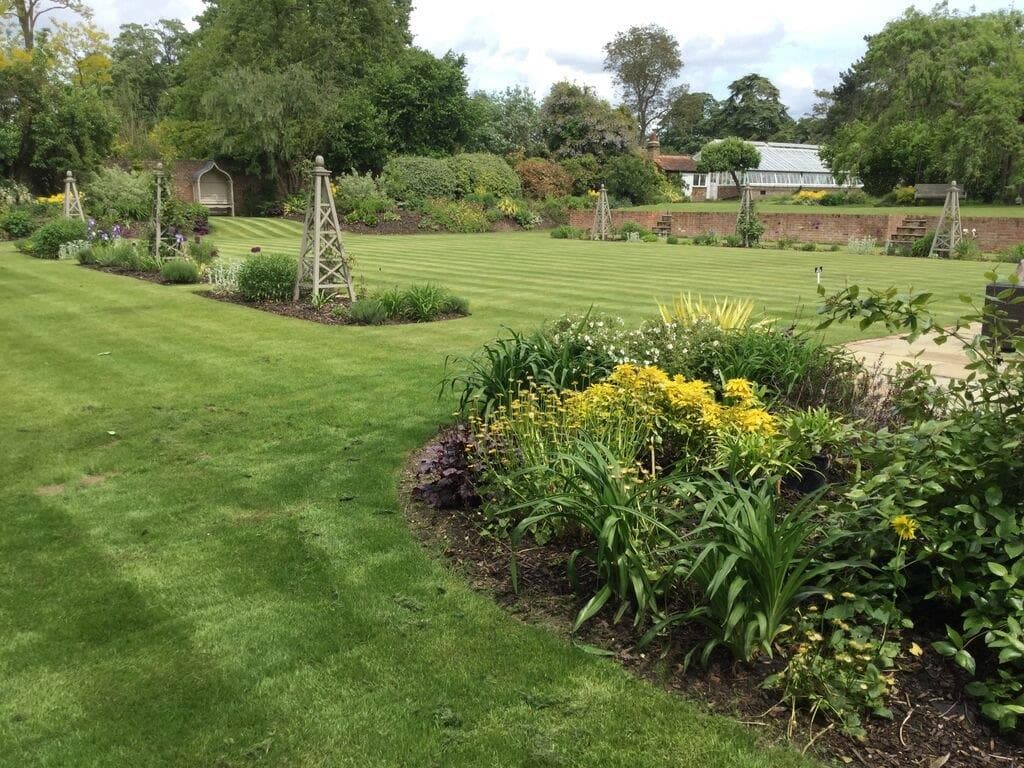
Why September Matters More Than You Think
September is the month when soil temperature and air temperature diverge. The soil is still holding summer warmth, often sitting at 12 to 15°C even when the air feels autumnal. That warmth is what allows newly planted bulbs, perennials, and shrubs to establish roots before winter dormancy kicks in.
Plant a daffodil bulb in September and it will have six to eight weeks of active root growth before the ground cools. Plant it in December and it goes straight into cold storage with no chance to settle. The difference in flowering performance the following spring is dramatic.
For lawns, September offers the best grass-growing conditions of the year. Warm soil, cooler air, more moisture, and none of the summer heat stress. Scarifying, overseeding, and aerating all work better now than at any other time.
The other reason September matters is that it is your last realistic chance to prepare tender plants for winter. Fuchsias, salvias, dahlias, cannas, and anything borderline-hardy needs attention now, not when the first frost has already burnt the foliage.
Planting Jobs: What to Get in the Ground
Spring-flowering bulbs
The single most important September planting task. Daffodils, crocuses, alliums, and early tulips all go in now. Tulips can wait until November, but everything else wants to be in the ground by the end of September.
Depth and spacing: Plant bulbs at roughly three times their own depth. A 5cm daffodil bulb goes 15cm deep. Space them in informal drifts rather than rigid rows. For a natural look, scatter the bulbs by hand and plant them where they land.
Soil preparation: Bulbs hate sitting in waterlogged soil. If you have heavy London clay (and most of Kent, Surrey, and parts of Essex do), add grit to the planting hole or plant bulbs in raised beds. A 5cm layer of horticultural grit underneath the bulbs makes all the difference on clay.
Varieties that work in the South East:
- Narcissus 'Jetfire' (early, bicolour, 25cm high, £8 per 25 bulbs)
- Narcissus 'Tête-à-Tête' (miniature, February flowering, perfect for pots, £6 per 20)
- Crocus tommasinianus (naturalises beautifully, self-seeds, £5 per 50)
- Allium hollandicum 'Purple Sensation' (May flowering, 90cm stems, £12 per 15)
- Tulipa 'Spring Green' (late tulip, plant in November, £10 per 20)
For a 30 sqm border with generous drifts, budget £60 to £100 for bulbs. Plant them in layers (deep bulbs first, then shallow) to extend the flowering season from February through to May.
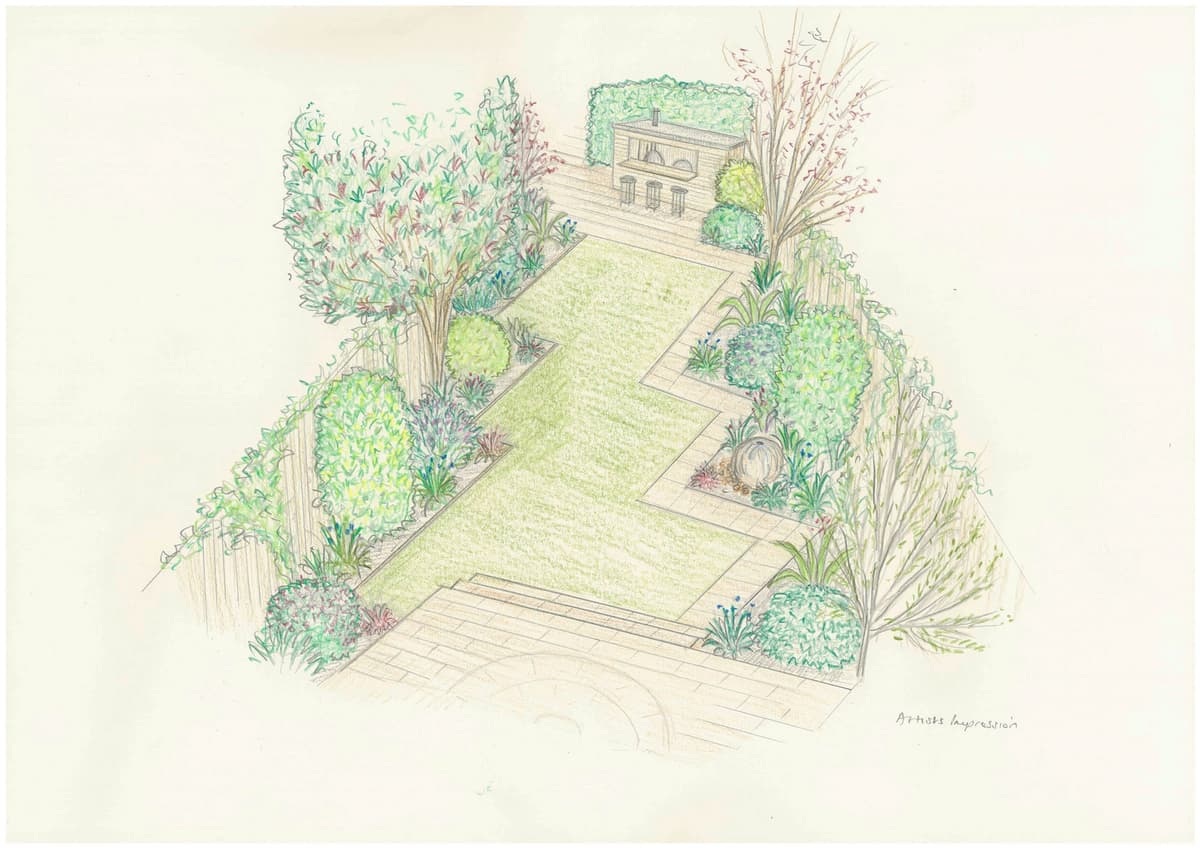
Perennials and grasses
September is the best month for planting herbaceous perennials and ornamental grasses. The soil is warm, rain is more reliable, and plants have time to establish before winter.
Plant now:
- Rudbeckias, echinaceas, salvias (all prairie-style perennials)
- Ornamental grasses: Stipa tenuissima, Calamagrostis 'Karl Foerster', Hakonechloa macra
- Geraniums, sedums, asters (all reliable late-season interest)
Container-grown perennials cost £6 to £12 each depending on pot size. For a new border of 20 sqm, expect to plant 40 to 60 perennials at a cost of £300 to £600 for the plants alone.
Trees and shrubs
Autumn planting works brilliantly for trees and shrubs. Roots establish through autumn and winter, and the plant hits spring already settled in.
Good September choices for South East gardens:
- Amelanchier lamarckii (multi-stem, white spring blossom, autumn colour, £80 to £150 for 2m tree)
- Prunus serrula (polished mahogany bark, year-round interest, £60 to £120)
- Cornus kousa (white bracts in June, reliable, tolerates clay, £50 to £100)
- Hydrangea quercifolia (oak-leaf foliage, cone-shaped flowers, excellent autumn colour, £30 to £50)
Lawn Care: The Best Month of the Year for Grass
If you only do one thing to your lawn all year, do it in September. The growing conditions are perfect and the results last.
Scarifying
Scarifying removes the thatch layer (dead grass, moss, and debris) that builds up at the base of the lawn. A thick thatch layer prevents water, air, and nutrients reaching the soil.
Use a spring-tine rake for small lawns or hire a powered scarifier for anything over 50 sqm. Hire cost is £30 to £50 per day. Go over the lawn twice, once in each direction. It will look terrible immediately afterwards. That is normal. It will recover within two to three weeks.
Aerating
Aeration relieves soil compaction, which is a major issue on clay soils and heavily used lawns. Push a garden fork 10cm into the lawn every 10 to 15cm, rock it back and forth, and pull it out. For large lawns, hire a hollow-tine aerator (£40 to £60 per day) which removes small plugs of soil.
Overseeding
After scarifying and aerating, overseed any thin or bare patches. Use a shade-tolerant grass seed mix for urban gardens (most town gardens get less than four hours of direct sun). Scatter seed at 35g per sqm, rake it in lightly, and keep it moist for two weeks.
Grass seed costs £15 to £25 per kg. A 1kg box covers roughly 30 sqm. Germination takes 7 to 14 days in September.
Autumn lawn feed
Feed the lawn with an autumn-formulation fertiliser. Autumn feeds are low in nitrogen (which promotes soft leafy growth) and high in potassium and phosphorus (which strengthen roots and improve disease resistance).
Apply at the rate stated on the box, usually 35g per sqm. A 20kg bag (enough for 400 sqm) costs £25 to £40. Avoid summer lawn feeds in September. The high nitrogen will produce lush growth that winter frosts will damage.
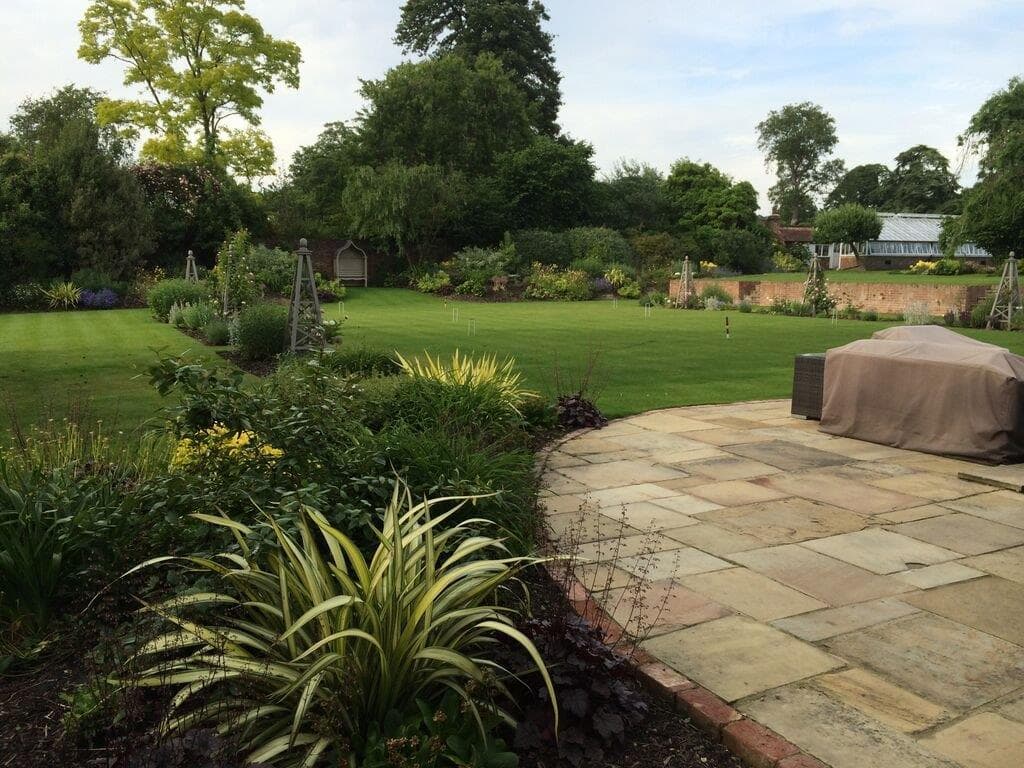
Pruning and Cutting Back
Climbing roses
Late-flowering climbing roses (those that flower on the current year's growth) can be lightly pruned in September. Remove any dead, diseased, or crossing stems, and tie in new growth. The main pruning happens in late winter, but a September tidy-up prevents wind damage and makes the winter job easier.
Rambling roses
Ramblers flower on growth made the previous year, so they are pruned immediately after flowering, which for most varieties means late August or early September. Cut out the old flowered stems at the base and tie in the new green shoots that will flower next summer.
Lavender
Deadhead lavender by cutting off the spent flower stems, but resist the temptation to cut into old wood. A light trim now keeps the plant tidy. The main shaping cut happens in spring.
Perennials
Leave most perennial cutting back until late winter. Seedheads, dead stems, and dried foliage all provide winter structure and habitat for insects. The exception is anything that has become mildewed, slug-damaged, or unsightly. Cut those back to ground level and compost the material if it is disease-free.
Dividing Perennials
September is the perfect month for dividing spring and early summer-flowering perennials. The soil is warm, plants are finishing their growth cycle, and there is time for divisions to settle before winter.
Divide if the plant has:
- A dead or woody centre
- Reduced flowering compared to previous years
- Outgrown its space
- Been in the same spot for more than three to five years
Method: Dig up the entire clump with a fork. Shake off excess soil. Pull or cut the clump into sections, each with healthy roots and at least three shoots. Replant immediately at the same depth, water well, and mulch.
Perennials to divide in September:
- Asters, rudbeckias, echinaceas (all prairie perennials)
- Geraniums (hardy cranesbills, not pelargoniums)
- Hemerocallis (daylilies)
- Hostas (divide every four to five years)
- Crocosmia (divide every three years or they stop flowering)
Do not divide:
- Peonies (they hate being moved)
- Japanese anemones (establish slowly after division)
- Hellebores (best left undisturbed)
Harvest and Storage
Apples and pears
Early apple varieties ripen in September. Test ripeness by cupping the apple in your palm and lifting gently. If it comes away easily, it is ready. If you have to tug, leave it another week.
Store only perfect fruit. Any bruises or blemishes will spread rot through the stored crop. Layer apples in slatted wooden crates or cardboard boxes, not touching each other. Store in a cool, dark, frost-free shed or garage. Check weekly and remove any that are starting to soften.
Maincrop potatoes
Lift maincrop potatoes once the foliage has died back completely. Choose a dry day. Dig carefully with a fork to avoid spearing the tubers. Leave them on the surface for a couple of hours to dry, then brush off excess soil (do not wash) and store in hessian sacks or paper sacks in a dark, cool place.
Squash and pumpkins
Harvest squashes and pumpkins before the first frost. The skin should be hard enough that you cannot dent it with a fingernail. Cut the fruit with a long stalk attached (at least 5cm). Cure them in a sunny spot indoors for a week to harden the skin, then store somewhere cool and dry. Properly cured squash will keep until March.
Protecting Tender Plants
September is when you need to start thinking about which plants will survive winter outdoors and which will not. The South East is generally mild (USDA zone 8b to 9a), but a cold snap in November or a wet winter on clay can kill borderline-hardy plants.
Tender perennials to protect or lift
- Dahlias: Leave in the ground until the first frost blackens the foliage, then lift, dry, and store the tubers in barely moist compost in a frost-free shed.
- Cannas: Same treatment as dahlias. Lift after frost, dry the rhizomes, store frost-free.
- Pelargoniums: Take cuttings now as insurance. Overwinter young plants on a windowsill.
- Salvias: Tender salvias like Salvia patens and S. confertiflora need fleece protection or lifting. Hardy salvias like S. nemorosa are fine left in the ground.
Mulching for winter protection
Borderline-hardy plants benefit from a deep mulch over the crown in late September or early October. Use composted bark, garden compost, or leaf mould. A 10cm layer insulates the roots and prevents frost penetration.
Plants that benefit from autumn mulching:
- Agapanthus (evergreen varieties are tender, deciduous ones are hardier)
- Hedychium (ginger lilies, very borderline in the South East)
- Melianthus major (honey bush, architectural foliage, needs heavy mulch)
- Tree ferns Dicksonia antarctica (wrap the trunk with fleece and stuff the crown with straw)
Composting and Soil Care
September is when the annual avalanche of garden waste begins. Spent bedding, hedge clippings, the first fallen leaves, vegetable patch trimmings. All of it can go on the compost heap if you build it properly.
Building a good compost heap
The golden ratio is roughly 3 parts brown (carbon-rich) material to 1 part green (nitrogen-rich). Browns include cardboard, shredded paper, woody prunings, autumn leaves. Greens include grass clippings, vegetable peelings, annual weeds, soft green prunings.
Layer the materials, keep the heap moist (but not waterlogged), and turn it every few weeks if you want fast results. A well-built heap will heat up to 60°C in the centre, which kills weed seeds and speeds decomposition.
Avoid adding:
- Perennial weed roots (bindweed, couch grass, ground elder)
- Diseased plant material (rose black spot, box blight, anything mildewed)
- Cooked food or meat (attracts rats)
Mulching borders
If you have well-rotted compost or composted bark, mulch borders in September while the soil is still warm and moist. A 5cm mulch layer suppresses weeds, insulates roots, improves soil structure, and feeds soil life.
Composted bark costs £4 to £6 per 50-litre bag. For a 20 sqm border you will need roughly 10 bags (£40 to £60). Bulk bags (1 cubic metre) cost £50 to £80 delivered and cover about 20 sqm at 5cm depth.
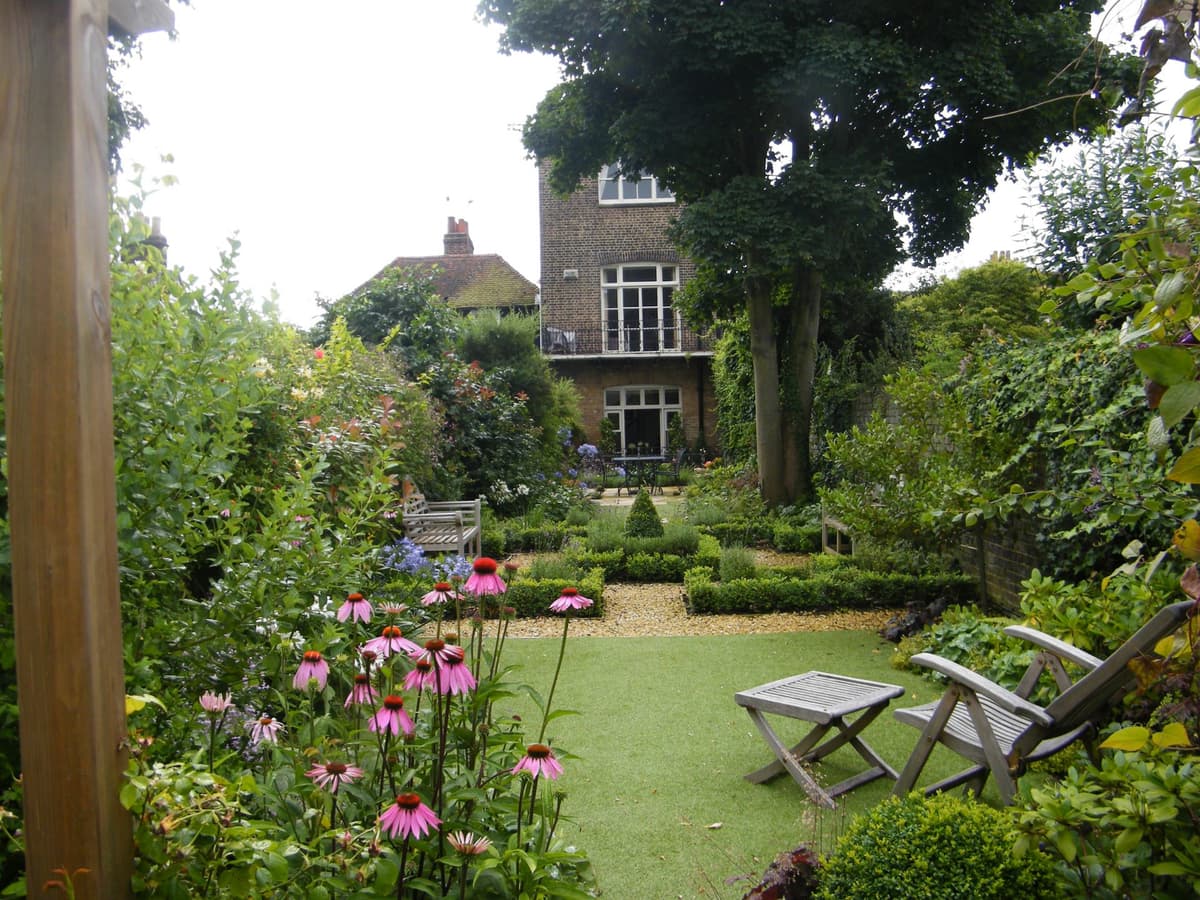
Pond and Water Feature Maintenance
September is the last chance to sort out pond maintenance before leaves start falling in earnest.
Netting
Stretch fine netting over the pond surface and peg it down around the edges. This keeps fallen leaves out of the water. Leaves that sink to the bottom decompose anaerobically, releasing toxic gases and creating a sludge layer that is a nightmare to remove.
Pond netting costs £10 to £20 for a 4m x 3m sheet.
Cutting back pond plants
Cut back marginal plants (irises, rushes, reeds) that have finished flowering. Leave some stems standing to provide winter structure and shelter for wildlife, but remove anything that is rotting or collapsing into the water.
Removing blanket weed
Pull out blanket weed by hand or twist it onto a stick. Barley straw (£8 to £12 per bale) helps suppress algae growth if added in autumn. One small bale treats a pond up to 10,000 litres.
Cleaning Hard Surfaces
Patios, paths, and driveways all get slippery in autumn as algae and moss build up. Clean them in September before the worst of the wet weather arrives.
Methods:
- Pressure washer: Hire cost £30 to £50 per day. Fast and effective, but can damage soft stone and dislodge pointing.
- Patio cleaner: Chemical cleaners cost £10 to £15 per 5 litres (covers 50 to 100 sqm). Apply, leave for 30 minutes, scrub, rinse.
- Stiff brush and soapy water: Cheapest option, hard work, but safe for all surfaces.
For a typical 30 sqm patio, budget half a day of labour or £40 to £60 if hiring a cleaner.
What Not to Do in September
Just as important as knowing what to do is knowing what to leave alone.
- Do not prune spring-flowering shrubs. Anything that flowers before June (forsythia, lilac, philadelphus, weigela) should be pruned immediately after flowering, not in autumn. Pruning now removes next spring's flower buds.
- Do not cut back ornamental grasses. Leave them standing through winter for structure and wildlife habitat. Cut them back in late February or early March.
- Do not plant evergreens. Evergreens (except conifers) are best planted in spring when they can establish before summer heat. Autumn-planted evergreens struggle with winter wind and cold.
- Do not feed borders with high-nitrogen fertiliser. That encourages soft growth that will be damaged by frost. If you feed at all, use a low-nitrogen autumn feed or bone meal.
Costs: What Does September Maintenance Actually Cost?
If you are doing the work yourself, the main costs are materials and tool hire. If you are employing a gardener, expect to pay £25 to £35 per hour in the South East, or £200 to £280 per day.
DIY September maintenance budget for a typical 100 sqm suburban garden:
- Spring bulbs: £60 to £100
- Grass seed and autumn lawn feed: £40 to £60
- Compost and mulch: £50 to £80
- Tool hire (scarifier, aerator): £60 to £100
- Sundries (netting, grit, pots, labels): £30 to £50
- Total: £240 to £390
Professional gardener for full September maintenance (same garden):
- Two days labour at £250 per day: £500
- Materials as above: £240 to £390
- Total: £740 to £890
Planning Your September Garden Work
September has 30 days but not all of them will be dry enough or cool enough to work comfortably. Plan your tasks around the weather and prioritise the jobs that are most time-sensitive.
Week 1 (early September): Plant spring bulbs, deadhead roses, harvest apples and potatoes.
Week 2: Scarify and aerate lawns, overseed bare patches, divide perennials.
Week 3: Mulch borders, clean patios, net ponds, prune ramblers.
Week 4 (late September): Protect tender plants, take cuttings, tidy greenhouse, sharpen tools.
Getting Help with Garden Maintenance
If the list feels overwhelming, or if you have a large garden and limited time, bringing in professional help makes sense. We work with clients across Kent, Surrey, Essex, and London and the South East to create gardens that are designed from the start to be manageable.
That means choosing plants that do not need constant deadheading, designing borders that look good even when you have not touched them for a month, and planning maintenance schedules that actually fit into real life.
For a free consultation about your garden, or if you want to talk through a maintenance plan that works for your plot and your available time, get in touch. Call us on 0203 834 9807.
Frequently Asked Questions
What is the single most important September garden task?
Planting spring-flowering bulbs. Daffodils, crocuses, and alliums all need to go in by the end of September to establish properly before winter. Tulips can wait until November, but everything else wants warm soil now.
When should I scarify my lawn?
Early to mid-September is ideal. The soil is still warm, grass is actively growing, and there is time for the lawn to recover before winter. Scarifying looks brutal but the lawn will green up again within two to three weeks.
Can I still plant perennials in September?
Yes, September is one of the best months for planting perennials. The soil is warm, rain is more reliable than summer, and plants establish well before winter. Avoid planting evergreens, but herbaceous perennials and ornamental grasses are perfect now.
Do I need to lift dahlias in the South East?
It depends where you are and how wet your soil is. In sheltered gardens on free-draining soil, dahlias often survive winter in the ground with a thick mulch. On heavy clay or in exposed positions, lifting is safer. Wait until the first frost blackens the foliage, then lift, dry, and store the tubers frost-free.
What should I do with fallen leaves?
Rake them off lawns (they smother grass and cause bare patches) but leave them in borders where they provide mulch, habitat, and eventual soil improvement. Net ponds to keep leaves out of the water. Make leaf mould by stuffing leaves into bin bags, adding a splash of water, tying the top, and leaving them for 12 to 18 months.
How much does it cost to hire a gardener for September maintenance?
Expect to pay £25 to £35 per hour or £200 to £280 per day in the South East. For a full day of September maintenance (scarifying, aerating, bulb planting, border tidy-up) on a typical 100 sqm garden, budget £250 to £300 plus materials.
Can I sow grass seed in September?
Yes, September is the best month of the year for sowing grass seed. Soil is warm, air is cooler, and moisture levels are higher. Seed germinates in 7 to 14 days and establishes well before winter. Use a shade-tolerant mix for urban gardens.