
Tropical Garden Design: How to Create a Lush, Exotic Garden in the UK
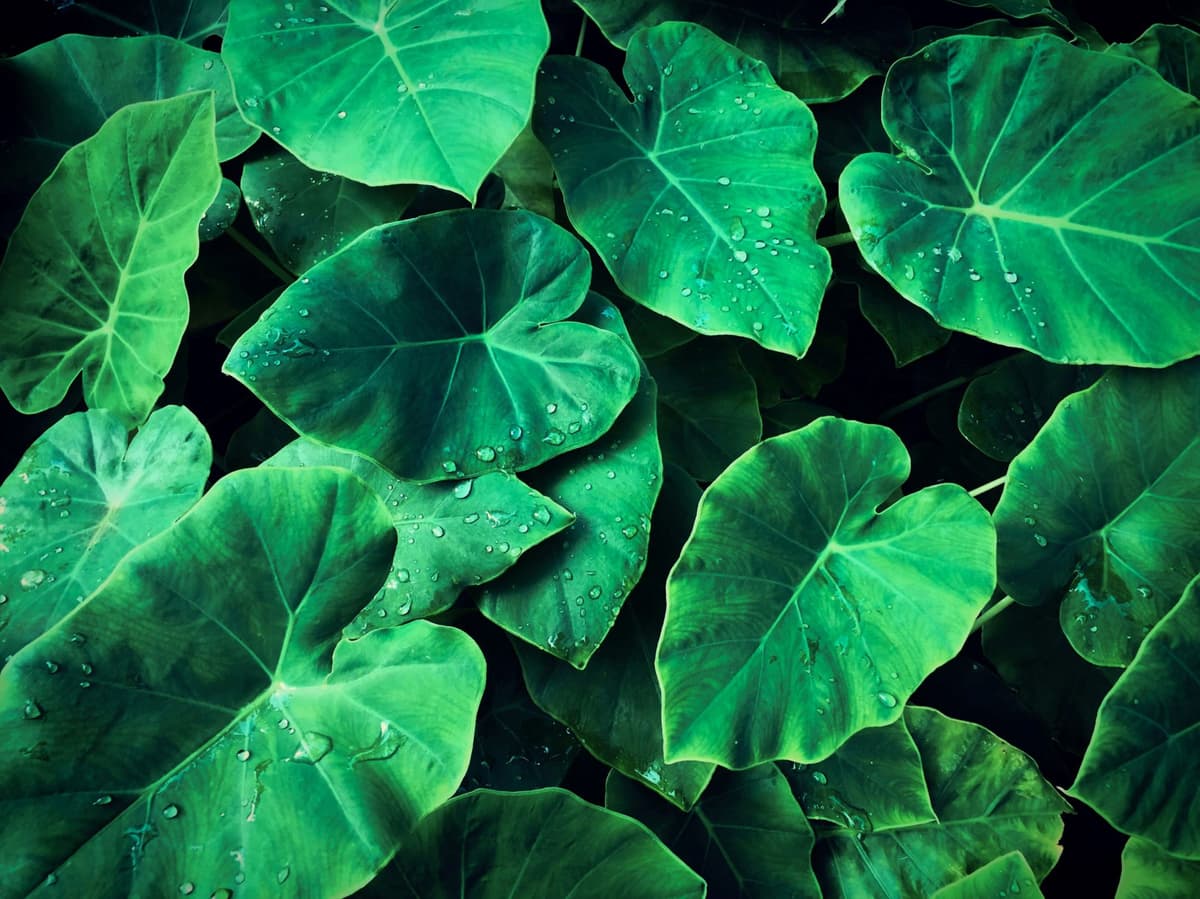
A tropical garden in the UK sounds unlikely until you stand in front of one. Dense foliage overhead, huge paddle-shaped leaves catching the light, the rustle of bamboo, a flash of hot orange canna flowers against deep green. It works, and it works far better than most people expect.
The trick is not to fight the climate. You are not recreating the Amazon. You are designing a garden that feels tropical by using hardy exotics that survive our winters alongside tender perennials that bring the drama from May to October. Done properly, the effect is convincing for six months and structurally beautiful for the other six.
This guide covers everything you need to plan and plant a tropical-style garden anywhere in the UK, with a particular focus on the South East where Soil Sisters designs and builds gardens across Kent, Surrey, Essex and London.
Why Tropical Gardens Work in the UK
The UK has a maritime climate. That means winters are milder than other countries at the same latitude, which is why palm trees grow perfectly well in Cornwall and sheltered London gardens. The South East benefits most: mild winters, long growing seasons, and urban heat islands that can push winter temperatures up by two or three degrees compared to open countryside.
Sheltered spots against south-facing walls, enclosed courtyards, and gardens surrounded by buildings all create microclimates warm enough for plants that would struggle in an exposed field. If you live in Kent, Surrey, Essex or London, you have more options than you might think.
The key principles:
- Dense, layered planting mimics tropical rainforest structure and reads as lush rather than cluttered
- Bold foliage does most of the work, not flowers
- Hardy structural plants provide the winter backbone
- Tender perennials add summer colour and are lifted or replaced each year
- Shelter from cold winds matters more than average temperature
Layered Planting: The Foundation of Every Tropical Garden
Every tropical garden needs three layers, minimum. This is what separates a few palms in a border from something that genuinely feels immersive.
Canopy Layer (Above Head Height)
Start with height. You need plants that grow above your head to create that enclosed, jungle-like feeling. Hardy options for the UK include:
- Trachycarpus fortunei (Chusan Palm) – the most reliable palm for UK gardens, hardy to around -15°C once established. Fan-shaped leaves, hairy trunk, grows slowly but eventually reaches 10m+
- Musa basjoo (Japanese Hardy Banana) – enormous paddle-shaped leaves that shoot up each spring. Top growth dies back in winter but returns vigorously if the base is mulched
- Dicksonia antarctica (Soft Tree Fern) – prehistoric-looking fern with arching fronds on a fibrous trunk. Hardy to about -5°C with crown protection
- Tetrapanax papyrifer 'Rex' – palmate leaves up to 90cm across. Fast growing and surprisingly tough
Mid-Storey (Eye Level)
Fill the space beneath the canopy with large-leaved evergreens and bold shrubs:
- Fatsia japonica – glossy hand-shaped leaves, extremely hardy, happy in shade or sun. A workhorse in any tropical scheme
- Schefflera taiwaniana – elegant palmate leaves, increasingly popular in UK gardens
- Mahonia 'Charity' – palm-like habit with spiky architectural leaves and yellow winter flowers
- Phyllostachys nigra (Black Bamboo) – striking dark stems, height, movement. Must be planted with a root barrier or in a container, no exceptions
Ground Layer
The floor of a tropical garden should feel thick and green:
- Hostas – large leaves in every shade of green, blue-green and gold. Shade tolerant
- Ferns (Dryopteris, Polystichum, Blechnum) – soft, feathery texture that contrasts with bolder foliage above
- Bergenia (Elephant Ears) – glossy, low-growing ground cover with pink spring flowers
- Pachysandra terminalis – evergreen carpet in deep shade
Best Hardy Tropical Plants for UK Gardens
This table covers the most reliable plants for creating a tropical look in South East England. All have been used in real UK gardens and will survive average winters without being brought indoors.
| Plant | Type | Hardy To | Height | Key Feature | Approx. Cost |
|---|---|---|---|---|---|
| Trachycarpus fortunei (Chusan Palm) | Evergreen palm | -15°C | 10m+ | Fan-shaped leaves, furry trunk | £30–£150 |
| Musa basjoo (Hardy Banana) | Herbaceous perennial | -10°C (root) | 3–5m | Huge paddle leaves, fast growth | £15–£40 |
| Dicksonia antarctica (Tree Fern) | Evergreen fern | -5°C | 2–4m | Prehistoric arching fronds | £50–£200 |
| Fatsia japonica | Evergreen shrub | -15°C | 2–3m | Glossy palmate leaves | £10–£35 |
| Phyllostachys nigra (Black Bamboo) | Evergreen grass | -18°C | 3–5m | Dark stems, rustling sound | £30–£80 |
| Cordyline australis | Evergreen tree | -8°C | 3–8m | Sword-like leaves on trunk | £15–£60 |
| Paulownia tomentosa (Foxglove Tree) | Deciduous tree | -20°C | 8–12m | Vast leaves when pollarded | £20–£50 |
| Gunnera manicata | Herbaceous perennial | -10°C | 2m | Leaves up to 2m across | £15–£40 |
| Canna (various) | Tender perennial | Lift for winter | 1–2m | Bold leaves, hot flower colours | £5–£15 per rhizome |
| Hedychium (Ginger Lily) | Tender perennial | -5°C (mulched) | 1–2m | Fragrant exotic flowers | £8–£20 |
How Much Does a Tropical Garden Cost?
The cost depends on size, plant maturity and how much hard landscaping you include. Here are realistic ranges for the South East in 2026:
| Garden Size | Plants Only | Full Design and Build |
|---|---|---|
| Small courtyard (under 30 sq m) | £500–£1,500 | £5,000–£12,000 |
| Medium garden (30–100 sq m) | £1,500–£4,000 | £12,000–£30,000 |
| Large garden (100+ sq m) | £3,000–£8,000+ | £25,000–£60,000+ |
Mature specimen palms are the single biggest variable. A 2m Trachycarpus fortunei might cost £150, but a 4m specimen can run to £500–£800 delivered and planted. If you want instant impact, budget accordingly. If you can wait three to five years, buying younger plants saves a huge amount.
Professional garden design fees in London and the South East typically start from around £1,500 for a courtyard and £3,000–£5,000 for a full garden design. See our garden design budget guide for a detailed breakdown.
Design Tips That Make the Difference
Use Microclimates
South-facing walls, corners sheltered from north and east winds, and spots between buildings can be two to three degrees warmer than the rest of your garden. Plant your most tender specimens there. A tree fern against a south wall will sail through winters that would kill the same plant in an exposed lawn.
Get the Hard Landscaping Right
Dark materials work with tropical planting. Black slate, charcoal-stained timber, dark gravel and hardwood decking all make foliage colours pop. Pale Cotswold stone and buff sandstone pull the scheme towards Mediterranean, which is a different look entirely.
For help choosing the right materials, read our guide on how to choose materials for your garden build.
Add Water
Even a small water feature transforms the atmosphere. A black-lined basin with a simple pump, a wall-mounted spout, or a still pool reflecting the foliage overhead all work. The sound of water plus the visual density of the planting is what makes a tropical garden feel genuinely immersive. We have a full guide on water features for garden design.
Think About Lighting
Uplighting palms and tree ferns after dark creates dramatic silhouettes. Warm white LEDs (2700–3000K) keep foliage colours natural. String lights over a seating area add atmosphere without the resort cliche. Our garden lighting guide covers the detail.
Plan for Winter Structure
The best tropical gardens still look good in January. Evergreen palms, bamboo, tree ferns and Fatsia japonica provide the winter backbone. Deciduous plants like Musa basjoo die back, so position them where bare gaps will not ruin the composition. Mix permanent structure with summer-only stars.
Overwintering Tender Plants
Not every tropical-look plant survives a UK winter outdoors. Here is what to do with the ones that need help:
- Cannas and Dahlias – Lift rhizomes and tubers after the first frost, store in dry compost in a frost-free shed or garage, replant in May
- Musa basjoo – Cut stems to 30cm in late October, pack with straw, wrap in fleece. Or mulch the base heavily and let it reshoot from the roots
- Tree ferns – Stuff the crown with straw and wrap the trunk in fleece. Do not let the crown fill with water
- Citrus in pots – Bring into a light, frost-free space (conservatory, greenhouse, cool room) from October to April
- Hedychium – Heavy mulch over the crown will get them through most South East winters. In colder gardens, lift like cannas
Tropical Garden Design for Small Spaces
Small gardens are actually ideal for the tropical style. Dense, layered planting in a compact space creates that enclosed, immersive feeling more effectively than a sparse planting in a large garden. A courtyard garden or a balcony can both carry a tropical scheme.
In small spaces:
- Use containers for the biggest specimens so you can move them for winter protection
- Grow bamboo in large pots to control spread
- Train climbers like Trachelospermum jasminoides (star jasmine) on walls for vertical greenery
- Curved paths through dense planting make small gardens feel much larger than they are
- One large palm creates more impact than five small plants
Seasonal Care Calendar
| Season | Key Tasks |
|---|---|
| Spring (March–May) | Remove winter fleece and mulch. Feed all plants with a balanced fertiliser. Plant new additions after the last frost (typically late April in the South East). Divide perennials. Replant lifted cannas and dahlias in May. |
| Summer (June–August) | Water consistently, especially large-leaved plants which lose moisture fast. Feed fortnightly with liquid fertiliser. Monitor for pests (slugs love hostas). Enjoy the garden at its peak. |
| Autumn (September–November) | Reduce feeding from September. Lift tender bulbs and rhizomes after first frost. Begin wrapping tree ferns and banana stems in late October. Collect seeds. |
| Winter (December–February) | Check winter wrapping is secure after storms. Water tree ferns occasionally if weather is dry. Plan next year's additions. Order plants and materials. |
Frequently Asked Questions
Can you really grow tropical plants in the UK?
Yes. You are not growing true tropical plants outdoors year-round (with a few exceptions), but you can create a garden that looks and feels tropical using hardy exotics. Plants like Trachycarpus fortunei, Musa basjoo and Fatsia japonica survive UK winters without issue. Add tender perennials in summer for colour, and the effect is convincing.
What is the hardiest palm for UK gardens?
Trachycarpus fortunei (Chusan Palm) is the most reliable. It is hardy to around -15°C once established, which covers the vast majority of UK winters. Chamaerops humilis (Dwarf Fan Palm) is another good option for smaller spaces.
Do I need to bring tropical plants inside for winter?
Only the tender ones. Hardy exotics like palms, tree ferns, Fatsia and bamboo stay outside year-round. Cannas, dahlias and citrus in pots need to come inside or be lifted and stored. The table above marks which plants need winter protection.
How do I protect tropical plants in winter?
Mulch heavily around the base of borderline plants (10–15cm of bark mulch or straw). Wrap tree fern crowns and banana stems in horticultural fleece. Move potted citrus and tender specimens into a frost-free greenhouse or conservatory.
Is a tropical garden high maintenance?
More than a traditional herbaceous border, less than a formal rose garden. The main extra tasks are lifting tender plants in autumn and replanting in spring, plus watering large-leaved plants during dry spells. Once the hardy structural plants are established, they largely look after themselves.
Can I have a tropical garden in a small space?
Small spaces suit the style particularly well. Dense, layered planting in a compact courtyard or balcony creates that immersive, enclosed feeling. Use containers, vertical planting and one or two specimen plants for maximum impact.
How much does a tropical garden cost in the UK?
Plants alone for a small courtyard start from around £500. A fully designed and built tropical garden in the South East ranges from £5,000 for a small courtyard to £30,000+ for a medium garden. Mature specimen palms are the biggest cost variable.
Get Help Designing Your Tropical Garden
If you want a tropical garden that works with your space, your soil and your budget, we can help. Soil Sisters designs and builds gardens across London, Kent, Surrey and Essex, and we have designed tropical-style schemes for gardens of all sizes.
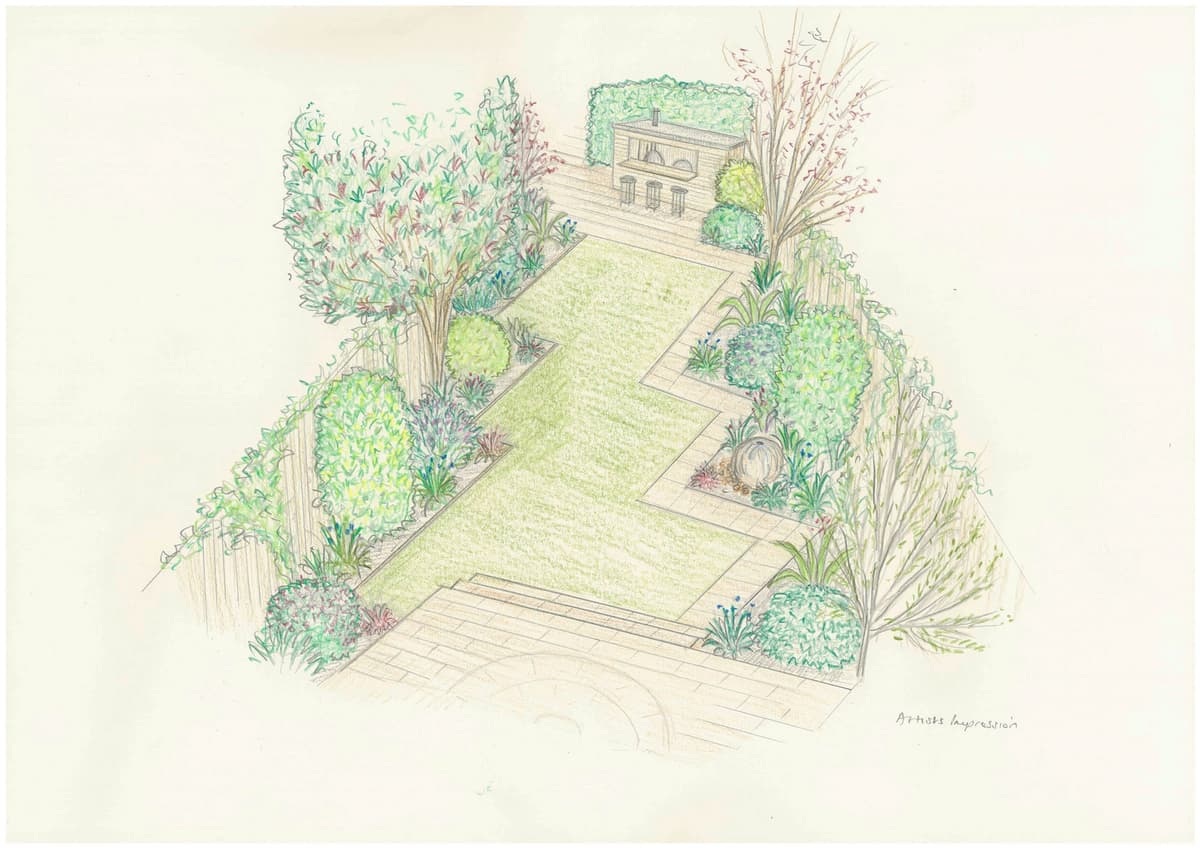
We offer bespoke planting plans, hand-drawn designs and 3D visualisations, and full garden build services. Get in touch for a free consultation and let us help you create your own slice of tropical paradise.