
When your garden is measured in square feet rather than square metres, the only way is up. Vertical garden design has shifted from architectural statement to practical necessity across UK homes, particularly in cities where outdoor space is tight and every inch counts.
A vertical garden (also called a living wall or green wall) is exactly what it sounds like: plants grown upward on a wall, fence or freestanding structure rather than in traditional horizontal beds. The approach suits balconies, courtyards, patios and narrow side returns where floor space is too valuable to fill with planters.
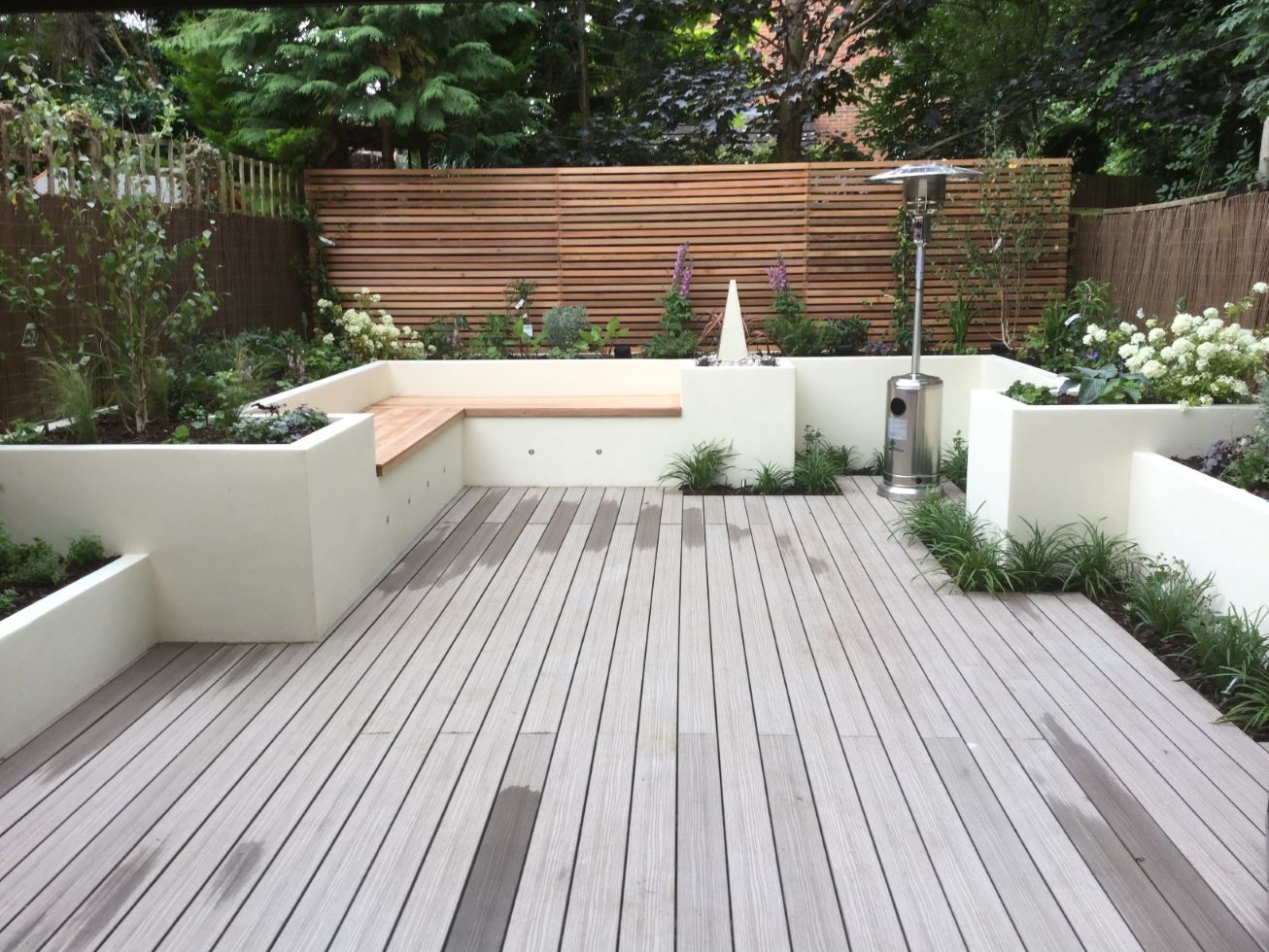
Why Vertical Gardening Works for UK Gardens
British gardens are shrinking. The average new-build garden is now under 14 square metres, and terraced properties in London, Manchester and Bristol often have patios barely large enough for a table and two chairs. Vertical gardening solves this by using walls, fences and vertical structures that would otherwise sit empty.
Beyond space-saving, vertical gardens offer practical benefits for the UK climate:
- Microclimate improvement: South-facing walls retain heat and extend the growing season for tender plants like tomatoes and basil
- Privacy screening: A planted wall blocks overlooking windows faster than a hedge and takes up less ground space
- Air quality: Living walls filter particulates and absorb CO₂, particularly valuable in urban areas
- Biodiversity: Vertical planting provides habitat for pollinators, especially when planted with nectar-rich climbers and trailing flowers
- Moisture management: Plants on walls can help reduce damp on north-facing boundaries by improving air circulation
The RHS endorses vertical gardening as a space-efficient approach for small gardens, recommending it for edible growing, ornamental displays and wildlife planting.
Types of Vertical Garden Systems in the UK
Vertical garden systems range from professional installations costing £500-800 per square metre to DIY pallet gardens built for under £50. The right choice depends on your budget, space and whether you want edibles or ornamentals.
Modular Panel Systems
Pre-planted modular panels (such as Florafelt, PlantBox and GreenStalk) stack or interlock to create instant living walls. These systems include built-in irrigation reservoirs or drip-feed watering, which makes maintenance easier but increases upfront cost.
Cost: £200-400 for a 1-2 sqm system
Best for: Busy households, offices, rental properties (can be dismantled and moved)
Plants: Herbs, succulents, ferns, trailing annuals
Pocket Planters
Fabric or felt pocket planters hang on fences or walls and hold individual plants in separate compartments. They are lightweight, affordable and easy to install with wall brackets or screws.
Cost: £20-80 for a 12-18 pocket planter
Best for: Herb gardens, salad walls, small courtyard spaces
Plants: Basil, thyme, chives, lettuce, strawberries, trailing petunias

Pallet Gardens
Reclaimed wooden pallets make robust vertical garden structures. Attach landscaping fabric to the back and sides, fill with compost, and plant into the slats. Pallets suit sunny walls and can hold larger plants than pocket systems.
Cost: £30-60 (pallet, fabric, fixings, compost)
Best for: South-facing fences, edible gardens, rustic or cottage garden styles
Plants: Herbs, salad leaves, cherry tomatoes, strawberries, trailing nasturtiums
Hydroponic Towers
Soil-free vertical systems circulate nutrient-enriched water through stacked planting pockets. Hydroponic towers are space-efficient and produce high yields but require electricity for the pump and regular nutrient monitoring.
Cost: £150-350 for a 5-7 tier tower
Best for: Balconies, patios, year-round edible growing
Plants: Lettuce, pak choi, herbs, strawberries, dwarf chillies
Trellis and Climbing Supports
Traditional trellis, obelisks and wire supports train climbing plants upward. This is the simplest vertical gardening method, requiring only a support structure and plants with a natural climbing habit.
Cost: £15-80 for trellis or obelisk
Best for: Climbing vegetables, flowering climbers, cottage gardens
Plants: Runner beans, climbing French beans, sweet peas, clematis, jasmine, climbing roses

Best Plants for Vertical Gardens in the UK
Plant choice depends on sun exposure, maintenance commitment and whether you want edibles or ornamentals. Vertical systems dry out faster than ground-level beds, so drought-tolerant plants or automatic watering are essential for south-facing walls.
Edible Plants for Vertical Gardens
Herbs: Basil, thyme, oregano, chives, parsley, coriander
Compact, fast-growing and high-value. Most herbs suit pocket planters or modular systems. Plant Mediterranean herbs (thyme, oregano, rosemary) in sunny spots; shade-tolerant herbs (parsley, chives, mint) on north or east-facing walls.
Salad Leaves: Lettuce, rocket, mizuna, pak choi, spinach
Cut-and-come-again salads grow quickly in shallow-rooted systems like pocket planters or guttering. Sow successionally every 2-3 weeks for continuous harvests.
Strawberries: 'Albion', 'Mara des Bois', 'Cambridge Favourite'
Trailing varieties suit tiered planters or hanging pockets. Strawberries fruit from May to October and tolerate partial shade.
Climbing Vegetables: Runner beans, climbing French beans, peas, cucumbers
Grow on trellis, wigwams or wall-mounted supports. Climbing courgettes and squashes (like 'Tromboncino') produce heavy yields in small footprints.
Compact Tomatoes: 'Tumbling Tom Red', 'Tumbling Tom Yellow', 'Balconi'
Dwarf and trailing varieties suit hanging baskets, tower systems or wall-mounted planters. Require full sun and regular feeding.
Ornamental Plants for Vertical Gardens
Trailing Flowers: Petunias, trailing lobelia, calibrachoa, verbena, bidens
Cascade down planters and baskets, adding movement and colour. Most need full sun and deadheading to prolong flowering.
Succulents: Sedum, echeveria, sempervivum
Drought-tolerant and low-maintenance. Suit sunny walls and require minimal watering. Ideal for shallow felt or panel systems.
Ferns: Maidenhair fern, Boston fern, hart's tongue fern
Thrive in shaded vertical gardens where other plants struggle. Add lush texture to north-facing walls and require consistent moisture.
Evergreen Climbers: Ivy, star jasmine, evergreen clematis
Provide year-round coverage on trellis or walls. Ivy is self-clinging but can damage old brickwork; use wire supports instead.
Herbaceous Climbers: Clematis, honeysuckle, sweet peas, passionflower
Flower from late spring to autumn. Clematis suits east or north-facing walls (roots shaded, flowers in sun); honeysuckle tolerates shade; sweet peas need full sun.

How to Create a Vertical Garden: Step-by-Step
1. Choose Your Location
Assess sun exposure by tracking light over a full day. South-facing walls get 6+ hours of sun (ideal for tomatoes, herbs, flowering annuals). North-facing walls suit ferns, hostas and shade-tolerant climbers. East and west-facing walls offer partial sun for salads, strawberries and many perennials.
Check wall condition before installing heavy systems. Crumbling brickwork or rendered walls may need repair. Ensure fixings are secure—modular systems with reservoirs can weigh 70kg per square metre when fully planted and watered.
2. Select a System
Match your system to your space, budget and maintenance capacity:
- No time for watering? Choose a modular system with built-in irrigation or self-watering reservoirs
- Renting? Opt for freestanding towers, hanging planters or lightweight pocket systems that do not require wall fixings
- Tight budget? Build a pallet garden or use recycled plastic bottles on wire supports
- Want high yields? Go for hydroponic towers or climbing vegetable supports
3. Install the Structure
Follow manufacturer instructions for modular systems. For DIY builds:
- Pallet gardens: Attach landscaping fabric to back and sides with a staple gun. Stand the pallet upright and secure to wall with L-brackets. Fill slats with peat-free compost and plant through the front.
- Pocket planters: Screw wall brackets into masonry or fence posts. Hang fabric planters and fill pockets with multi-purpose compost. Plant herbs or salad plugs into each pocket.
- Trellis systems: Fix trellis 5-10cm away from the wall to allow air circulation and prevent damp. Use wall plugs and screws for masonry; screw directly into fence posts for wooden structures.
4. Plant and Water
Use peat-free compost with added perlite or vermiculite to improve drainage in vertical systems. Plant at the same depth as the nursery pot. Water thoroughly after planting.
Vertical gardens dry out faster than ground-level beds, particularly on sunny walls. Check moisture daily in hot weather. Drip irrigation systems or self-watering reservoirs reduce watering frequency. For manual watering, use a watering can with a long spout or hose with a spray nozzle.
5. Feed and Maintain
Feed edible plants every 2 weeks with liquid tomato fertiliser from June onwards. Ornamental plants benefit from monthly feeding during the growing season.
Deadhead flowering plants to prolong blooms. Prune climbers annually to control growth. Replace spent annuals each spring. Check irrigation systems weekly and clear blocked nozzles.
Vertical Garden Design Costs UK (2026)
DIY Pocket Planter (12 pockets): £25-50
Includes fabric planter, fixings, compost, plug plants (herbs or salads)
Pallet Garden (1.2m x 1m): £40-70
Includes reclaimed pallet, landscaping fabric, staples, compost, plants
Modular Panel System (1-2 sqm): £200-400
Includes panels, irrigation reservoir, fixings, compost (plants extra)
Hydroponic Tower (5-7 tier): £150-350
Includes tower, pump, timer, growing medium, nutrients (plants extra)
Professional Living Wall Installation: £500-800 per sqm
Includes design, system, plants, irrigation, installation. Maintenance contracts typically £30-80/month for small walls.
Small Space Vertical Garden Ideas
Balcony Herb Wall: Fix pocket planters to balcony railings or walls. Plant basil, thyme, chives, parsley and oregano for a kitchen garden in 1 sqm.
Courtyard Salad Wall: Mount guttering horizontally on a sunny fence. Fill with compost and plant cut-and-come-again lettuce, rocket and mizuna for fresh salads from May to October.
Patio Strawberry Tower: Use a 5-tier vertical planter for 30 strawberry plants in a 50cm footprint. Position in full sun. Yields 5-10kg fruit per season.
Shaded Side Return Fern Wall: Install modular panels on a north-facing wall. Plant with maidenhair fern, Boston fern and trailing ivy for year-round greenery in low light.
Front Garden Privacy Screen: Train star jasmine or evergreen clematis on trellis mounted 30cm from a boundary wall. Provides scented, evergreen screening without taking up valuable border space.
Common Vertical Gardening Mistakes to Avoid
Overcrowding: Vertical planters have limited root space. Follow spacing guidelines or plants compete for nutrients and water.
Underwatering: Check moisture daily in hot weather. Automatic irrigation systems prevent neglect but require weekly reservoir refills.
Wrong plants for exposure: Tomatoes and herbs fail in shade. Ferns scorch in full sun. Match plants to light levels.
Poor drainage: Drill drainage holes in all containers. Use free-draining compost to prevent waterlogging and root rot.
Weak fixings: Heavy modular systems need wall plugs rated for the load. Inadequate fixings risk collapse, particularly after watering.
Vertical Gardens and UK Building Regulations
Most domestic vertical gardens do not require planning permission, but check with your local council before installing:
- Living walls on listed buildings or in conservation areas may need consent
- Green walls on shared boundaries require neighbour agreement
- Structural alterations (removing brickwork, heavy wall fixings) may need building control approval
- Large irrigation systems with pumps may require Part P electrical certification
If you rent, get written permission from your landlord before installing permanent wall-mounted systems. Freestanding towers and hanging planters are usually acceptable as they do not alter the property.
Getting Professional Help
A garden designer can create a vertical garden plan tailored to your space, sun exposure and style. At Soil Sisters, we design vertical gardens for small London, Kent and Surrey properties, integrating living walls with patio layouts, privacy screening and edible planting.
Design services start from £1,500 and include site survey, planting plan, system recommendations and supplier lists. Installation costs vary depending on system type and size, typically £1,000-4,000 for small residential vertical gardens (2-5 sqm).
For small projects (single pallet garden, pocket planter), you can confidently DIY. For larger installations (full wall coverage, integrated irrigation, structural fixings), professional help ensures the system is safe, appropriately planted and designed to last.
Ready to grow upwards? Contact Soil Sisters for a free consultation on vertical garden design in London, Kent, Surrey and Essex. Call 0203 834 9807 or get in touch here.