
Winter is when a garden either earns its keep or falls silent until March. Most people see the cold months as downtime, when perennials die back and everything goes brown. But winter is when you find out whether a garden was designed or just planted. The difference is structure.
We have designed gardens across Kent, Surrey, Essex and London for twenty years, and the lesson repeats itself every November: a garden that looks good in winter looks good all year. The reverse is rarely true. A space that depends entirely on summer bedding and herbaceous borders will spend five months of the year looking like a building site.
This guide covers how to design a winter garden in the UK that holds your attention from November through February. Plant lists with costs, design principles that work in the South East, and the specific decisions that separate a garden with winter interest from one that just waits for spring.
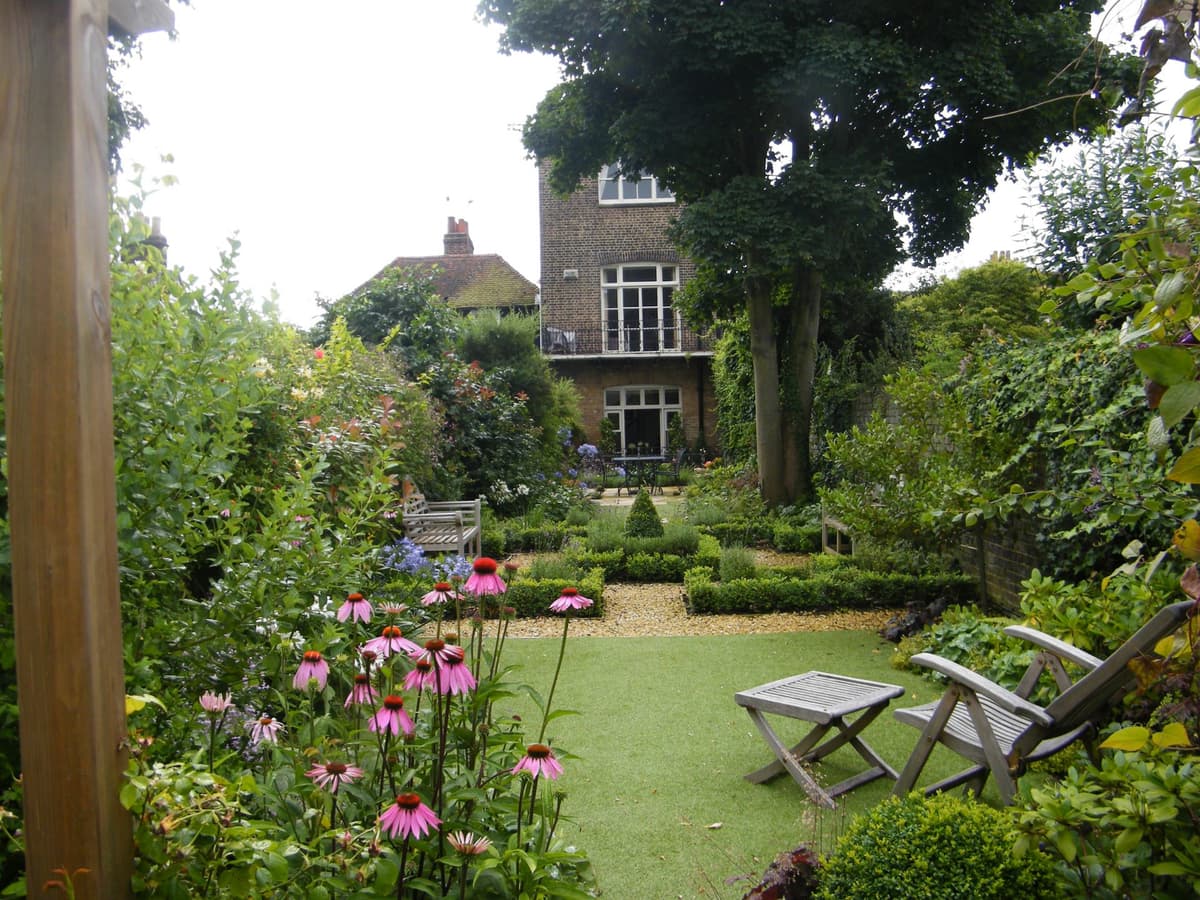
Why Winter Matters in UK Garden Design
The UK climate is not extreme enough to shut gardens down completely, which makes winter design both easier and harder than in colder regions. Easier because plenty of plants will flower, fruit or hold foliage through the cold. Harder because the margin between a garden that works and one that looks half-finished is narrow.
In the South East, winter runs roughly November to February. Temperatures drop to freezing but rarely stay there for weeks. Rain is more common than snow. Light is low, which means contrast and silhouette matter more than in summer when everything is backlit and lush.
The practical reason to design for winter is that you will spend more time looking at your garden from inside the house during these months than at any other time of year. If the view from the kitchen window is bare soil, black stems and a pile of wet leaves, you will stop noticing the garden exists. If it is evergreen structure, red dogwood stems, a scented shrub by the door and a few hellebores pushing through the frost, you will want to be out there.
The commercial reason, if you are working with a designer, is that winter-ready gardens cost more to design and build but hold their value better. A buyer viewing a property in January will remember the garden that looked intentional.
The Four Pillars of Winter Garden Design
A winter garden that works in the UK needs four things, and they are not negotiable. Miss one and the garden will feel incomplete. Get all four right and the space will look planted, not abandoned.
1. Evergreen Structure
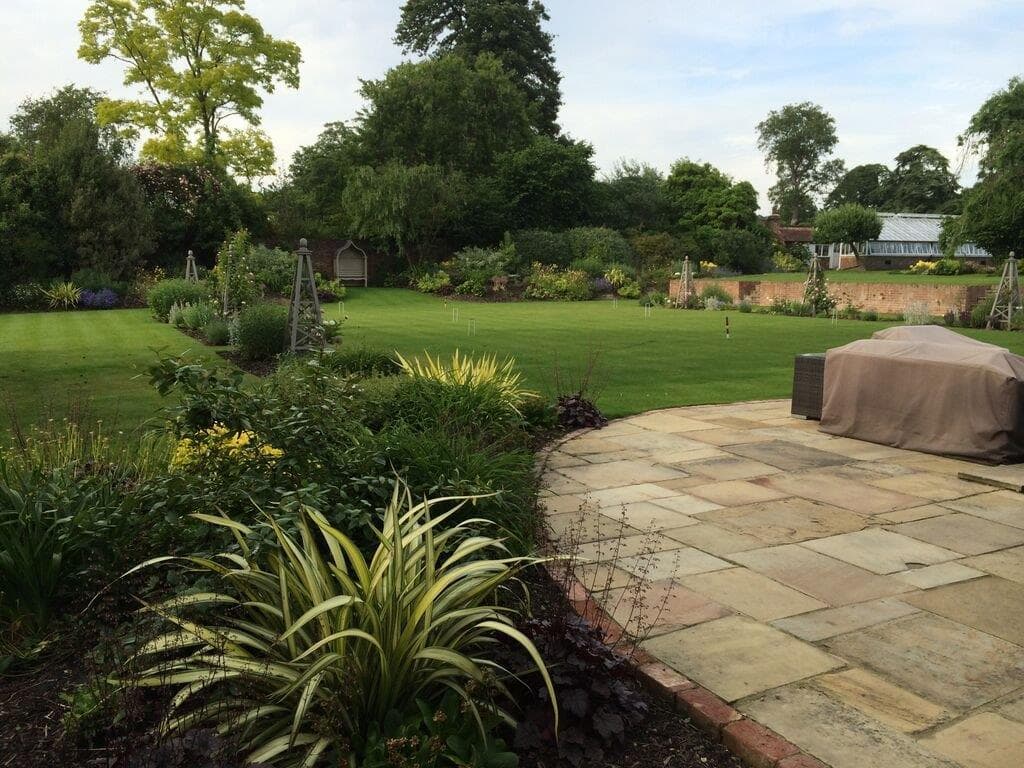
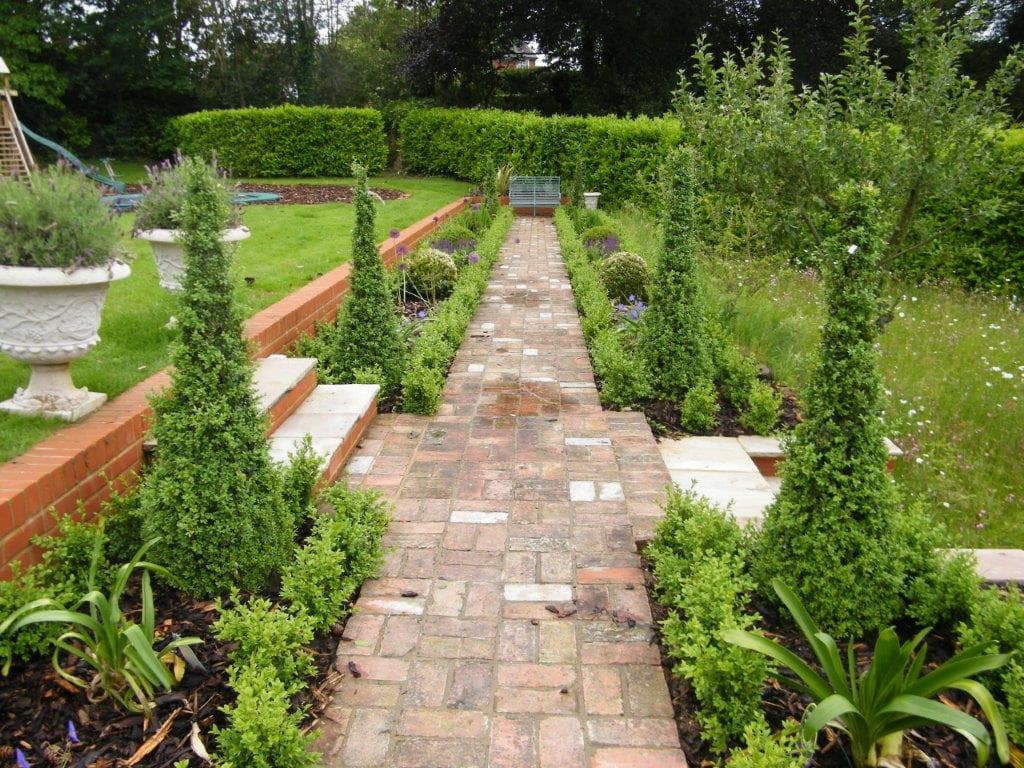
Evergreens are the bones. They define space, create enclosure, frame views, and give the eye something to settle on when everything else has died back. Box, yew, holly, pittosporum, sarcococca, photinia, euonymus and certain viburnums all hold their leaves through winter.
The mistake most people make is treating evergreens as background filler. They are not. In winter, they are the foreground. If your garden has no evergreen structure, it has no winter presence.
For a typical South East town garden of 50 to 80 square metres, budget for three to five evergreen shrubs of varying heights. Small box balls or euonymus at the front (£15 to £35 each for 3-litre pots), mid-height sarcococca or photinia in the middle (£25 to £60 for 7.5-litre), and a larger holly or Portuguese laurel at the back or as a focal point (£60 to £150 for semi-mature specimens).
Clipped evergreens (box, yew, hornbeam) work in formal gardens. Loose, natural shapes (holly, photinia, fatsia) suit cottage and contemporary schemes. Both do the same job. They hold the design together when everything around them disappears.
2. Winter-Flowering Plants
Winter flowers are rare, which makes them disproportionately valuable. A single witch hazel or viburnum in full bloom will pull more attention than an entire border of summer perennials. Scent matters more in winter because the air is cold and still, and fragrance carries further.
Shrubs that flower in winter:
- Viburnum x bodnantense 'Dawn' — Pink, scented flowers from November to March. Multi-stemmed, deciduous, grows to 3 metres. Sun or part shade. £25 to £50 for a 7.5-litre pot.
- Hamamelis mollis (Chinese witch hazel) — Yellow, spidery, scented flowers on bare branches in January and February. Slow-growing, reaches 4 metres eventually. Needs shelter and lime-free soil. £40 to £80 for a young plant, £100+ for semi-mature.
- Sarcococca confusa (sweet box) — Tiny white flowers with an intense, sweet scent in December and January. Evergreen, shade-tolerant, compact (1 to 1.5 metres). £20 to £40 for 3 to 5 litre.
- Lonicera fragrantissima (winter honeysuckle) — Creamy, lemon-scented flowers on bare stems from December to February. Deciduous, bushy, 2 metres tall. £18 to £35 for a 3-litre pot.
- Chimonanthus praecox (wintersweet) — Pale yellow flowers with a spicy, sweet scent in mid-winter. Needs full sun and a south-facing wall. Slow to establish but long-lived. £30 to £60.
- Mahonia x media 'Winter Sun' — Yellow spikes of scented flowers from November to February. Evergreen, architectural foliage, 3 metres tall. Tolerates shade. £25 to £50.
Plant these near paths, doorways or seating areas where you will encounter the scent. A witch hazel tucked behind a shed is wasted. One beside the front gate is a reason to go outside in January.
3. Winter Colour: Stems, Bark and Berries
When flowers and foliage are scarce, stems and bark become focal points. Dogwood (Cornus) species are the most reliable for winter stem colour in the UK. The young stems turn vivid red, orange or yellow once the leaves drop, and they light up in low winter sun.
Cornus sanguinea 'Midwinter Fire' has fiery orange and red stems. Cornus alba 'Sibirica' is bright crimson. Cornus sericea 'Flaviramea' is lime-yellow. All three grow to 1.5 to 2 metres and thrive in most soils, including heavy clay. They need full sun for the best colour. Expect to pay £15 to £30 for a 3-litre pot.
Dogwoods need annual coppicing (cutting back hard to a low framework) in late winter to keep the stems young and brightly coloured. Older wood fades to brown. This also keeps the plants compact, which matters in small gardens.
Berries add punctuation. Holly (Ilex) is the obvious choice. Red berries on glossy evergreen foliage are hard to beat, but you need both male and female plants unless you choose a self-fertile variety like 'J.C. van Tol' or 'Pyramidalis'. Expect to pay £30 to £80 for a 7.5-litre holly, more for a semi-mature tree.
Pyracantha (firethorn) berries in orange, red or yellow and holds them through winter unless birds strip them early. It tolerates shade and poor soil, which makes it useful for awkward spots. Guelder rose (Viburnum opulus) has translucent red berries in autumn that last into early winter. Cotoneaster is another reliable berry producer and works well on banks or as ground cover.
4. Architectural Form and Texture
When everything is stripped back, form becomes critical. Seedheads, grasses, skeletal perennials and the silhouette of deciduous trees all contribute to winter interest in ways that matter more than in summer.
Leave seedheads standing through winter instead of cutting everything back in autumn. Echinacea, sedum, eryngium, verbena bonariensis, fennel and achillea all have seedheads that hold structure, catch frost and provide food for birds. The stems also offer overwintering habitats for insects, which supports the food chain.
Ornamental grasses are essential. Calamagrostis (feather reed grass), stipa (feather grass), miscanthus and pennisetum all look better in winter than in summer. The foliage fades to straw-gold and catches the light. They sway in the wind and rustle when it rains. In a suburban garden, that movement and sound is rare in winter.
Plant grasses in groups of three or five for impact. Calamagrostis 'Karl Foerster' is the most reliable for upright structure and costs £10 to £18 for a 2-litre pot. Miscanthus sinensis varieties are larger (1.5 to 2 metres tall) and more dramatic but need space. Expect £12 to £25 per plant.
Winter Planting for Shade
Most South East gardens have at least one shaded area, and winter makes shade more pronounced because the sun sits lower. North-facing walls, basement courtyards and the ground under mature trees all present the same challenge: how to plant for winter interest in low light.
Hellebores are the answer. Helleborus niger (Christmas rose) flowers from December to February with white, saucer-shaped blooms. Helleborus orientalis (Lenten rose) flowers from January to March in shades of pink, purple, white and green. Both tolerate dry shade once established, though they prefer humus-rich soil. Prices range from £8 to £20 for a 1 to 2 litre pot depending on the variety.
Sarcococca (sweet box) is the other essential shade plant for winter. It flowers in December and January with tiny, intensely fragrant white blooms. The evergreen foliage is neat and glossy. It grows in full shade, even under conifers, which almost nothing else will tolerate. A 3-litre pot costs £20 to £40.
Ferns add texture in shade. Most UK-hardy ferns are deciduous, but a few hold their fronds through winter. Polystichum setiferum (soft shield fern) is evergreen, shade-tolerant and tough. It grows to 60cm and costs £8 to £15 for a 1-litre pot.
Fatsia japonica has large, architectural evergreen leaves and tolerates shade, pollution and neglect. It flowers in late autumn with white, drumstick-shaped blooms. Mature plants reach 2 to 3 metres but grow slowly. A 3-litre pot costs £15 to £30.
Snowdrops (Galanthus) are the first bulbs to flower, often in January regardless of snow or frost. They naturalise in damp, shaded spots and multiply slowly. Plant them 'in the green' (freshly dug after flowering with leaves still attached) in February or March for the best establishment. Expect to pay £12 to £25 for a clump of 10 to 20 bulbs.
Winter Garden Design on a Budget
A winter garden does not have to cost thousands. The key is to prioritise structure over quantity. Three well-placed evergreen shrubs will do more for a garden than twenty summer bedding plants.
Small garden budget (under £300):
- One large evergreen shrub or small tree as a focal point: holly, photinia or Portuguese laurel (£60 to £100)
- Two mid-height evergreen shrubs for layering: sarcococca, euonymus or box (£40 to £80 total)
- Three dogwood stems for winter colour (£45 to £90 total)
- Five hellebores for shade planting (£40 to £60 total)
- Two ornamental grasses for movement (£20 to £36 total)
Total: £205 to £366, depending on pot sizes and suppliers. That is enough to create a recognisable winter structure in a typical 30 to 50 square metre garden.
Larger garden budget (£500 to £1,000):
Add winter-flowering shrubs (viburnum, witch hazel, mahonia), more evergreens, a clipped hedge or topiary, berry-producing shrubs, and a larger selection of perennials and grasses. This budget allows for semi-mature specimens, which give instant impact.
The cheapest way to build winter interest is to plant bare-root shrubs and trees in autumn or early winter. Bare-root stock is dormant, cheaper than pot-grown equivalents, and establishes quickly if planted while the ground is still warm. A bare-root holly costs £15 to £30 compared to £60+ for the same plant in a pot. The planting window is short (November to March) and availability is limited, but the savings are significant.
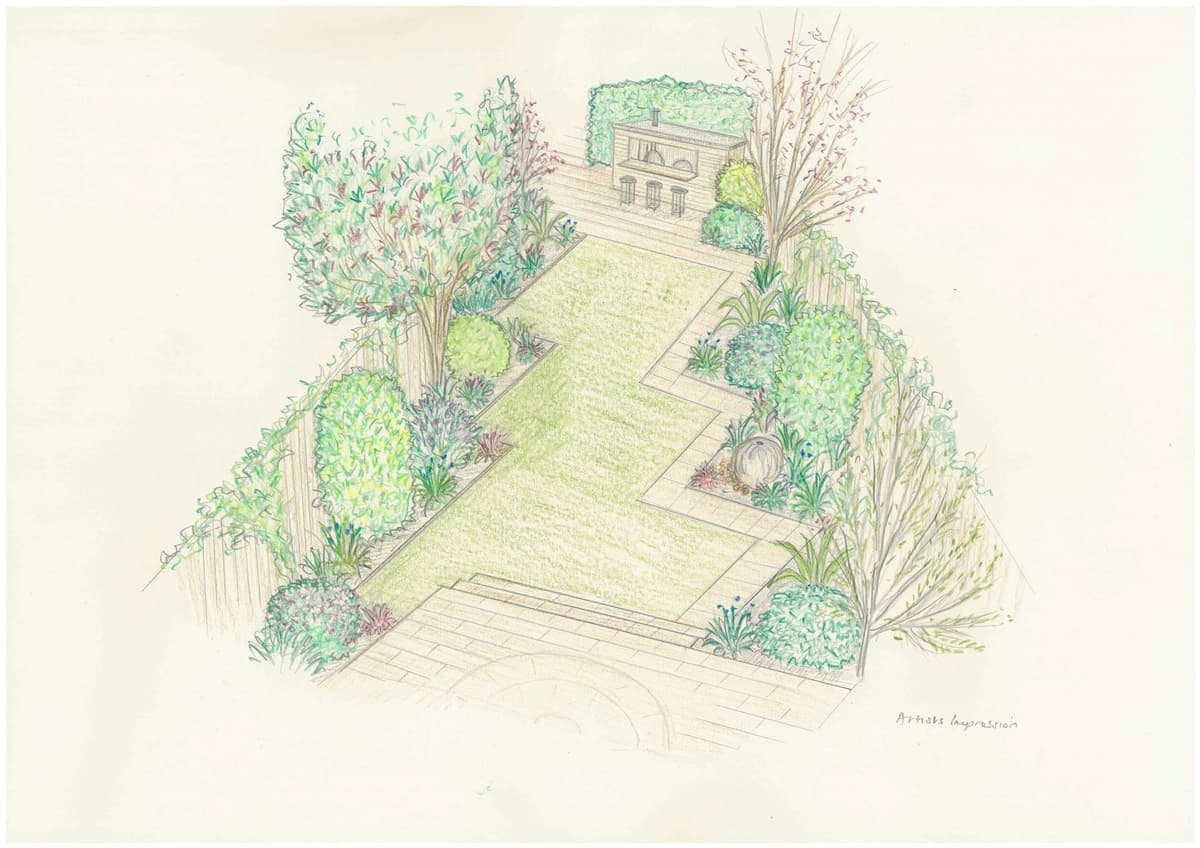
When to Plant for Winter Interest
Most winter-interest plants are best planted in spring (March to May) or early autumn (September to October). Spring planting is safer for borderline-hardy species like witch hazel, chimonanthus and camellias, which need time to establish before facing their first winter.
Evergreens can go in during autumn if the soil is warm and well-drained. In heavy clay or waterlogged sites, wait until spring. Bare-root shrubs and trees must be planted during dormancy, which means November to March. The earlier in that window you plant, the better the establishment.
Bulbs for winter and early spring (snowdrops, crocus, iris reticulata, winter aconites) are planted in autumn. Snowdrops are the exception: they establish better when planted 'in the green' in late winter or early spring, after flowering.
Hellebores can be planted almost any time of year because they are evergreen and tolerate disturbance, but autumn or spring are easiest. Avoid planting during summer droughts or winter waterlogging.
Ornamental grasses are spring plants. They need warmth to establish and will sulk if planted in autumn. Wait until April or May when the soil has warmed up.
Common Mistakes in Winter Garden Design
The biggest mistake is treating winter as an afterthought. Gardens designed for summer and then retrofitted with a few evergreens never look intentional. Winter interest needs to be part of the original design, not an add-on.
The second mistake is planting for structure but forgetting scent. Sarcococca, viburnum, witch hazel, wintersweet and winter honeysuckle all have powerful fragrances that carry on cold air. A garden that looks good but smells of nothing is missing half the point of winter planting.
The third mistake is cutting everything back in autumn. Seedheads, grasses and the skeletal forms of perennials all contribute to winter structure. Leave them standing until February or March, then cut back before new growth starts. The garden will look better for it, and wildlife will benefit from the cover and food.
The fourth mistake is underestimating scale. A single dogwood stem or one hellebore will not register in a 100 square metre garden. You need groups, repetition and enough mass to read from a distance. Three dogwoods planted together will create a block of colour. One will look lost.
The fifth mistake is ignoring light. Winter sun is low and directional. A dogwood with backlit red stems in late afternoon winter sun is a focal point. The same plant in permanent shade is a brown stick. Plant for winter light angles, not summer ones.
Winter Garden Design for London and the South East
The South East has a slightly milder winter than the rest of the UK, which means borderline-hardy plants like camellias, acacias and certain Mediterranean evergreens will survive in sheltered urban gardens. London's heat island effect raises minimum temperatures by 2 to 3 degrees, which opens up more planting options.
Soil type matters. Heavy London clay stays cold and wet in winter, which limits drainage-sensitive plants like lavender, rosemary and cistus. Light, sandy soils in parts of Kent and Surrey drain fast and warm up earlier, which suits Mediterranean species but needs more watering in dry winters.
Wind is the limiting factor in exposed sites. Coastal gardens in Kent and Sussex face salt-laden winds that burn evergreen foliage. Hilltop gardens in the Surrey Hills or North Downs face cold, drying easterlies. Choose wind-tolerant plants (holly, pyracantha, cotoneaster, ivy) and provide shelter with hedging or fencing.
Urban gardens are often shaded by neighbouring buildings, which makes shade-tolerant winter interest essential. Sarcococca, hellebores, ferns, fatsia and ivy all perform well in low light. If the garden gets winter sun for even a few hours, position winter-flowering shrubs and dogwoods where they will catch it.
We work across Kent, Surrey, Essex and London and the South East, and we design for winter first. A garden that holds structure from November to February will look good the rest of the year. The reverse is not true. If you want a garden that earns its space all year round, get in touch for a free consultation, or call us on 0203 834 9807.
Frequently Asked Questions
What are the best plants for a winter garden in the UK?
The best winter garden plants combine evergreen structure, winter flowers, colourful stems or berries. Essential choices include sarcococca (scented evergreen shrub), hellebores (winter-flowering perennials), dogwood (Cornus species for red or yellow stems), holly (evergreen with berries), viburnum x bodnantense 'Dawn' (fragrant pink winter flowers), and ornamental grasses like calamagrostis for movement and texture.
How much does it cost to design a winter garden?
Design fees for a typical South East garden range from £1,500 to £4,500 depending on size and complexity. Planting costs vary widely: a small winter garden makeover with key structural plants costs £200 to £500, while a full design and build for a 50 to 80 square metre garden with evergreens, winter-flowering shrubs, grasses and hard landscaping costs £15,000 to £30,000.
When should I plant winter interest plants?
Most winter-interest plants are best planted in spring (March to May) or early autumn (September to October). Evergreens tolerate autumn planting in well-drained soil. Bare-root shrubs and trees must go in during dormancy (November to March). Snowdrops establish best when planted 'in the green' after flowering in late winter. Ornamental grasses need spring planting for reliable establishment.
Can I create a winter garden on a budget?
Yes. Prioritise structure over quantity. Three well-placed evergreen shrubs (£100 to £150 total), three dogwood stems for colour (£45 to £90), five hellebores for shade (£40 to £60), and two ornamental grasses (£20 to £36) will create recognisable winter structure in a small garden for under £300. Bare-root planting in autumn cuts costs significantly.
What plants grow well in a shaded winter garden?
Shade-tolerant winter plants include hellebores (Christmas and Lenten roses), sarcococca (sweet box with scented winter flowers), snowdrops (Galanthus), fatsia japonica (architectural evergreen foliage), polystichum setiferum (evergreen fern), and winter-flowering honeysuckle (Lonicera fragrantissima) on a shaded wall. All tolerate low light and perform reliably in South East gardens.
Do I need to cut back perennials in autumn?
No. Leave seedheads, grasses and perennial stems standing through winter. They provide structure, catch frost, offer wildlife habitat and food for birds, and look better than bare soil. Cut back in late February or early March before new growth starts. This applies to echinacea, sedum, eryngium, verbena bonariensis, fennel, achillea and all ornamental grasses.
What is the easiest winter-flowering shrub to grow?
Sarcococca confusa (sweet box) is the easiest winter-flowering shrub for UK gardens. It tolerates full shade, poor soil, pollution and neglect. The tiny white flowers in December and January have an intense, sweet fragrance. It is evergreen, compact (1 to 1.5 metres), and requires no pruning or maintenance. A 3-litre pot costs £20 to £40 and will establish quickly.