
October Garden Jobs UK: Essential Tasks for Autumn Success
October is one of the most important months in the UK gardening calendar. The growing season is winding down, but there's plenty to do before winter arrives. From planting spring bulbs to protecting tender plants, the jobs you tackle this month set your garden up for success next year.
This guide covers the essential October garden jobs for UK homeowners, with specific advice for South East England where Soil Sisters work across Kent, Surrey, Essex and London.

Why October Matters for Your Garden
October sits at a pivotal point in the gardening year. Soil is still warm enough for planting, but air temperatures are dropping and the first frosts will arrive soon (typically mid to late October in the South East, earlier further north).
The jobs you do now protect what you've grown, prepare beds for winter, and get spring-flowering plants in the ground while conditions are still favourable. Miss this window and you'll be playing catch-up next spring.
Planting Jobs for October
Plant Spring Bulbs
If you haven't finished planting spring bulbs, early October is your last good opportunity. Tulips, daffodils, crocuses and alliums all need to be in the ground before the soil gets too cold.
Planting depth matters: As a rule, plant bulbs at three times their own depth. So a 5cm bulb goes in a 15cm hole. Deeper planting (up to 20cm for tulips) can help protect against squirrels and gives better drainage in heavy clay soil common across parts of Kent and Surrey.
What to plant:
- Tulips: Plant from mid-October onwards to reduce risk of tulip fire disease
- Daffodils: Earlier the better, but October planting is fine
- Alliums: October planting for May-June flowers
- Crocuses: Naturalise in lawns or under trees
Plant bulbs in groups of odd numbers (5, 7, 9) for natural-looking drifts rather than regimented rows.
Plant Garlic
October is the main garlic planting month across the UK. Garlic needs a cold period (vernalisation) to form good bulbs, so autumn planting beats spring planting every time.
Varieties for the South East:
- Softneck varieties (like Solent Wight) suit the milder climate in London, Kent and Surrey
- Hardneck varieties (like Lautrec Wight) are better for colder areas
Break the bulb into individual cloves and plant them pointed end up, 10-15cm apart, 3-5cm deep. Choose a sunny spot with well-drained soil. You'll harvest next June or July.
Plant Bare-Root Trees, Shrubs and Roses
Bare-root planting season starts in October once deciduous plants have dropped their leaves. Bare-root stock is cheaper than pot-grown plants and establishes better because the roots aren't restricted by a pot shape.
What you can plant bare-root in October:
- Fruit trees (apples, pears, plums, cherries)
- Roses
- Hedging plants (hornbeam, beech, hawthorn)
- Ornamental trees
Dig a hole twice the width of the root spread, add well-rotted compost or manure, and make sure the soil mark on the stem sits level with the ground. Stake trees securely and water in well.
Sow Hardy Annuals
Some hardy annuals can be sown outdoors in October for earlier flowers next spring. Cornflowers, calendula, nigella and California poppies all germinate well from autumn sowings if your soil isn't waterlogged.
Prepare a fine seedbed, scatter seeds thinly, and cover lightly with soil. Thin seedlings in spring once they're large enough to handle.
Lawn Care in October
Give the Lawn One Last Cut
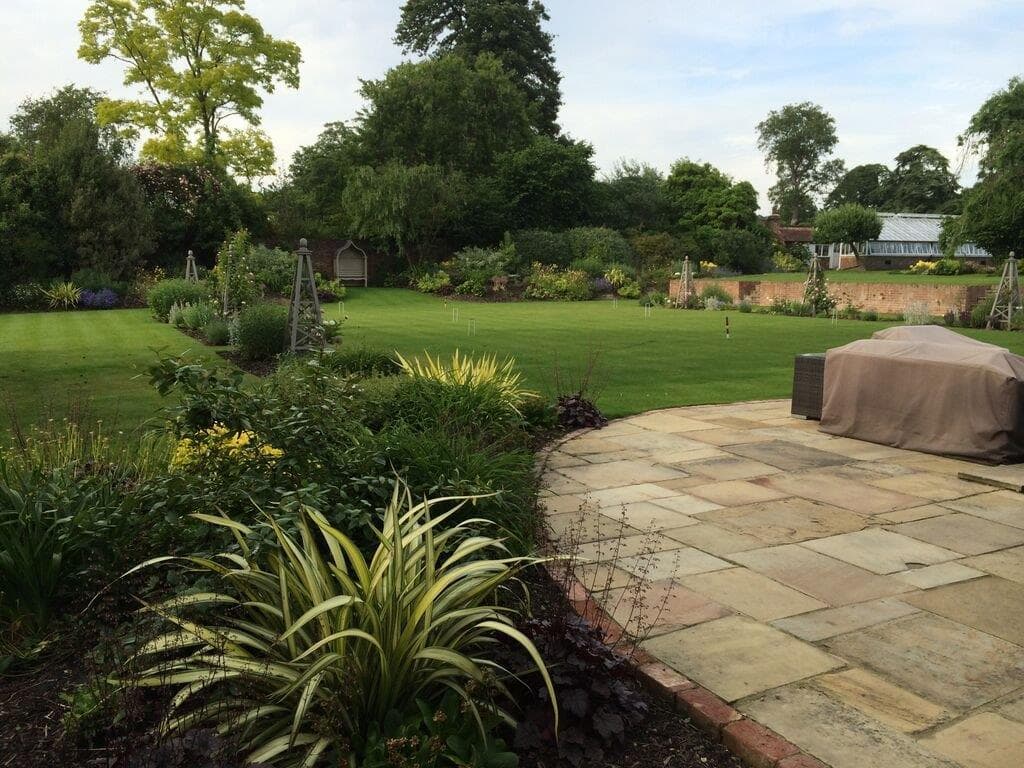
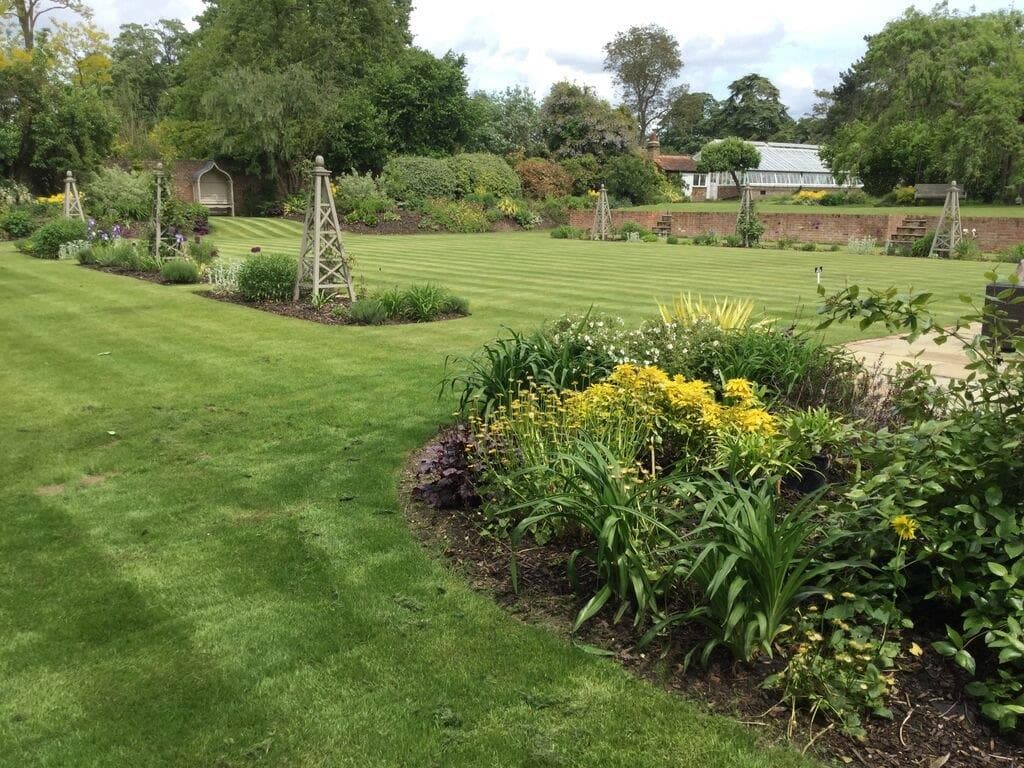
Keep mowing through October as long as grass is still growing. Raise the mower blades to leave grass slightly longer than in summer (around 4-5cm). This helps the lawn cope with colder, wetter weather and reduces the risk of fungal disease.
Don't mow if the ground is waterlogged or frozen. You'll compact the soil and damage the grass.
Scarify and Aerate
October is ideal for scarifying (removing thatch and moss) and aerating (spiking to improve drainage). Scarifying rakes out the dead layer of grass and moss that builds up at the base of the lawn. Aerating punches holes in the soil to let air, water and nutrients reach the roots.
For small lawns, use a garden fork and push it in 10-15cm deep at 10cm intervals across the lawn. For larger areas, hire a hollow-tine aerator or a petrol scarifier.
Top-dress after aerating with a mix of sharp sand, loam and compost to improve drainage, especially on heavy clay soils common in parts of Essex and South London.
Apply Autumn Lawn Feed
Switch from high-nitrogen summer feed to an autumn lawn feed with higher potassium and iron. Potassium strengthens grass against cold and disease. Iron greens up the lawn and suppresses moss.
Don't use summer feed in autumn. High nitrogen promotes soft, sappy growth that's vulnerable to frost damage.
Protecting Tender Plants
Lift Dahlia Tubers
Dahlias are not fully hardy in the UK. Once the first frost blackens the foliage (typically late October in the South East, earlier in exposed or northern gardens), it's time to lift the tubers.
How to lift dahlias:
- Cut stems back to 15cm above ground level
- Dig carefully around the clump, lifting the whole root ball
- Shake off excess soil and let tubers dry upside down for a week in a frost-free shed or greenhouse
- Store in barely-damp compost, sawdust or sand in a cool, frost-free place (5-10°C)
Label varieties as you lift them. Come spring, you'll have forgotten which was which.
In milder parts of London and coastal Kent, you can leave dahlias in the ground with a thick mulch over the crown, but lifting is safer if you want guaranteed survival.
Protect Tender Perennials
Tender perennials like penstemons, salvias, osteospermums and argyranthemums need protection before the first hard frost. You have three options:
- Take cuttings and overwinter young plants on a windowsill or in a frost-free greenhouse
- Lift whole plants and pot them up to bring indoors
- Mulch heavily and hope for a mild winter (risky for anything genuinely tender)
For most gardeners in the South East, taking cuttings in late September or early October is the most practical option. You get multiple backup plants from one parent, and they take up less space than lifting the whole thing.
Wrap Tree Ferns and Cordylines
Tree ferns (Dicksonia antartica) and cordylines are borderline hardy in the South East. In a normal winter they survive. In a harsh winter they don't.
Protect the crowns by wrapping with horticultural fleece or hessian stuffed with straw. Remove the wrapping in April once the risk of hard frost has passed.

Tidying and Maintenance
Collect Fallen Leaves
Fallen leaves are free gold for gardeners, but they need to be managed properly. Leaves left on lawns or ponds cause problems. Leaves collected and composted turn into leaf mould, one of the best soil conditioners you can make.
How to make leaf mould:
- Collect leaves (oak, beech, hornbeam break down quickest)
- Stuff them into black bin bags with a few holes punched in the sides, or make a simple leaf bin from four posts and chicken wire
- Leave for 12-24 months
After one year you'll have a rough mulch. After two years it's a fine, crumbly soil conditioner perfect for seed compost or mulching around acid-loving plants like rhododendrons and camellias.
Cut Back Herbaceous Perennials (Selectively)
Cutting back herbaceous perennials in autumn is traditional, but there's a good argument for leaving some standing through winter. Seedheads feed birds, hollow stems provide habitat for insects, and the structure looks good on frosty mornings.
Cut back:
- Plants prone to fungal disease (delphiniums, peonies, pulmonarias)
- Plants that collapse into mush (hostas, hardy geraniums)
- Anything blocking paths or looking genuinely tatty
Leave standing:
- Ornamental grasses
- Sedums (especially the flat-headed varieties like 'Autumn Joy')
- Echinacea seedheads
- Eryngiums
- Achilleas
You can tidy up properly in late February or March before new growth starts.
Mulch Borders
Once you've cut back perennials and removed summer bedding, mulch bare soil with a 5-8cm layer of well-rotted compost, manure or leaf mould. Autumn mulching suppresses weeds, protects soil structure through winter, and feeds worms that incorporate organic matter into the soil.
Apply mulch while the soil is still warm and moist (early to mid-October is ideal). Don't pile mulch against plant stems or tree trunks. Leave a small gap to prevent rot.
What to Sow and Harvest
Sow Broad Beans
For an early crop next spring, sow overwintering broad bean varieties like 'Aquadulce Claudia' or 'Super Aquadulce' in October. Sow seeds 5cm deep, 20cm apart in double rows. Protect with cloches or fleece if your garden is exposed.
Broad beans sown in October crop in late May or early June, several weeks ahead of spring-sown crops.
Harvest the Last of Summer Crops
October is the end of the line for most summer crops. Tomatoes, courgettes, beans and cucumbers will be finished by mid-month. Harvest everything before the first frost hits.
Green tomatoes can be ripened indoors on a windowsill or in a dark cupboard with a ripe banana (the ethylene gas speeds ripening). Alternatively, make green tomato chutney.
Plant Out Spring Cabbages
Spring cabbages planted in October will be ready to harvest from March onwards. Varieties like 'Spring Hero' or 'Duncan' are reliable. Plant 30cm apart in rows 30cm apart. Net against pigeons.
Pest and Disease Watch
Grease Band Fruit Trees
Winter moth caterpillars are a major pest of apple and plum trees. The wingless female moths crawl up tree trunks in October and November to lay eggs. Applying grease bands around the trunk stops them.
Wrap a band of sticky grease (available at garden centres) around the trunk at about waist height. Check and replace if it dries out or gets covered in debris.
Clear Up Diseased Foliage
Don't add diseased plant material to the compost heap. Rose blackspot, box blight, powdery mildew and late blight on tomatoes all persist on fallen leaves and can reinfect plants next year.
Bag up and bin diseased material, or burn it if you have space. Don't risk spreading problems through homemade compost.
Check for Vine Weevil
Vine weevil grubs feed on plant roots through autumn and winter. If container plants are looking sickly, tip them out and check for white, C-shaped grubs in the compost.
Hand-pick and destroy any grubs you find. Consider a biological control (nematodes) for badly infested pots. Apply in September or early October while soil temperatures are still above 12°C.
October Jobs for Ponds
Net the Pond
If you have a pond near deciduous trees, net it in October before leaf fall peaks. Leaves that sink to the bottom rot and release gases that can harm fish and reduce oxygen levels.
Stretch fine mesh netting over the surface, securing the edges with bricks or pegs. Remove the net once leaf fall is finished in November.
Cut Back Pond Plants
Cut back marginal pond plants that have died back, removing foliage before it rots in the water. Leave some stems standing above water level to allow gases to escape if the surface freezes.
Don't cut back oxygenating plants. They keep working through winter.
Why This Month Matters for South East Gardens
Gardens across Kent, Surrey, Essex and London face similar October challenges: heavy clay soil in many areas that holds water in autumn, the risk of mild spells encouraging soft growth that's then caught by frost, and urban heat islands in London that delay leaf fall and extend the growing season slightly.
Clay soil considerations: If you garden on heavy clay (common in parts of South London, North Kent, and much of Essex), avoid working the soil when it's waterlogged. You'll compact it and make drainage worse. Wait for a drier spell, or work from boards to spread your weight.
First frost timing: In central London and along the Thames estuary, first frosts typically arrive late October to early November. Inland Kent, Surrey and higher parts of Essex see frosts a week or two earlier. Check local forecasts and have fleece ready to throw over tender plants.
Rainfall: October is one of the wetter months across the South East. Make sure new plantings are firmed in well so they don't rock loose in the wind and rain.
What Not to Do in October
- Don't prune evergreen hedges. New growth won't harden off before winter. Wait until late spring.
- Don't cut back spring-flowering shrubs like forsythia, flowering currant or lilac. They've already set next year's flower buds. Prune after flowering in spring.
- Don't dig heavy clay soil if it's waterlogged. You'll ruin the structure. Wait for drier conditions or leave it until spring.
- Don't apply high-nitrogen fertilisers. They promote soft growth that's vulnerable to frost. Stick to autumn feeds with potassium and phosphorus.
October Garden Jobs Checklist
- Plant spring bulbs (tulips, daffodils, alliums, crocuses)
- Plant garlic cloves
- Plant bare-root trees, shrubs and roses
- Give the lawn one last cut (raised mower height)
- Scarify and aerate the lawn
- Apply autumn lawn feed
- Lift dahlia tubers after first frost
- Take cuttings from tender perennials
- Collect fallen leaves for leaf mould
- Cut back diseased perennials, leave structural plants standing
- Mulch borders with compost or well-rotted manure
- Sow overwintering broad beans
- Net ponds to keep out leaves
- Grease band fruit trees
- Check containers for vine weevil grubs
- Harvest last summer crops before frost
Getting Help with October Garden Jobs
If October's task list feels overwhelming, or you'd rather spend the month planning next year's garden than dealing with leaf collection and dahlia lifting, that's where a garden designer or maintenance service can help.
Soil Sisters design and maintain gardens across Kent, Surrey, Essex and London. We handle everything from autumn planting to seasonal maintenance, working with you to keep your garden looking good year-round. If you'd like a quote or want to discuss a garden project, call us on 0203 834 9807 or book a free consultation.
For more seasonal advice, see our guides to September garden maintenance, August garden jobs, and winter garden design. If you're planning a complete garden overhaul next spring, our garden makeover guide covers costs, timelines and what to expect from a full redesign.