
Low maintenance garden design is one of the most requested services we see in 2026, and for good reason. Between work, family commitments, and the unpredictable UK weather, finding time to keep a garden looking its best can feel impossible. But low maintenance does not mean compromising on beauty or interest. It means designing a garden that works with you, not against you.
A well-designed low maintenance garden gives you year-round structure, seasonal colour, and outdoor space you can actually enjoy without spending every weekend weeding, watering, or pruning. The key is planning from the start with the right materials, plant choices, and layout strategies.
What Makes a Garden Low Maintenance?
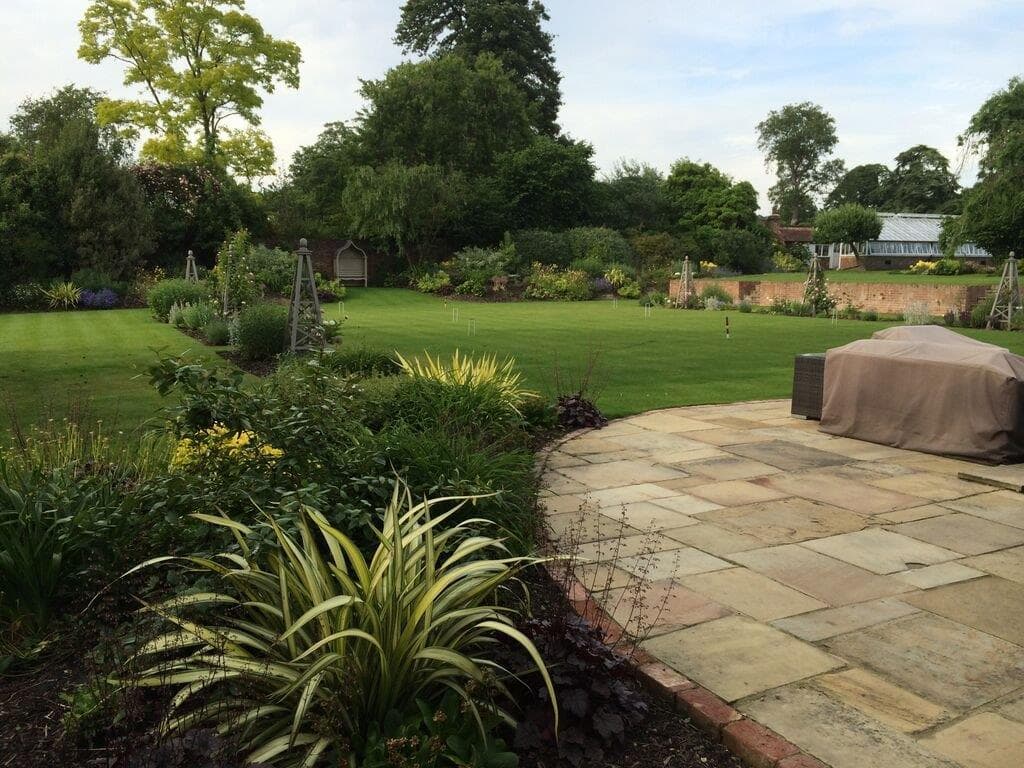
A low maintenance garden is one designed to reduce time-consuming tasks like mowing, watering, weeding, staking, and seasonal replanting. It is not zero maintenance (no garden is), but it is strategic about where effort goes.
The three pillars of low maintenance design are:
- Hardscaping over lawn: Replacing large areas of grass with paving, gravel, or decking cuts mowing and edging time dramatically.
- Shrubs over perennials: Woody shrubs need far less attention than herbaceous perennials that require staking, dividing, and cutting back every year.
- Permanent structure: Built-in features like raised beds, permanent edging, and weed-suppressing membranes save hours of repetitive work.
Low maintenance design suits anyone juggling limited time, physical mobility issues, or simply wanting more time to enjoy their garden rather than maintain it. We design these gardens for busy professionals in London, older clients in Kent looking to reduce physical effort, and young families in Surrey who need outdoor space for children rather than constant gardening.
Design Strategies That Cut Maintenance Hours
Reduce or Replace Your Lawn
Lawns are one of the highest-maintenance features in any garden. They need mowing weekly in spring and summer, regular edging, feeding, aerating, scarifying, and watering during dry spells. For a genuinely low maintenance garden, reducing lawn size or removing it entirely is the single biggest time saver.
Options to replace lawn:
- Permeable paving or gravel: Provides usable hard surface, better for parking, eliminates mowing. Gravel over weed membrane is the lowest-cost option.
- Decking or patio: Creates outdoor living space with zero ongoing maintenance beyond occasional jet wash. Composite decking needs no staining or treating.
- Wildflower meadow: For those who want greenery without mowing. Cut once or twice a year in late summer. Best in larger gardens or rural settings.
- Bark mulch: Under trees or in play areas. Soft underfoot, suppresses weeds, decomposes slowly.
If you do keep a lawn, make it work smarter: choose a hard-wearing amenity grass mix instead of fine turf, install permanent edging to eliminate hand trimming, and let grass grow longer in wilder areas. Mowing every two weeks instead of weekly saves significant time over the season.
Use Shrubs as the Backbone of Your Borders
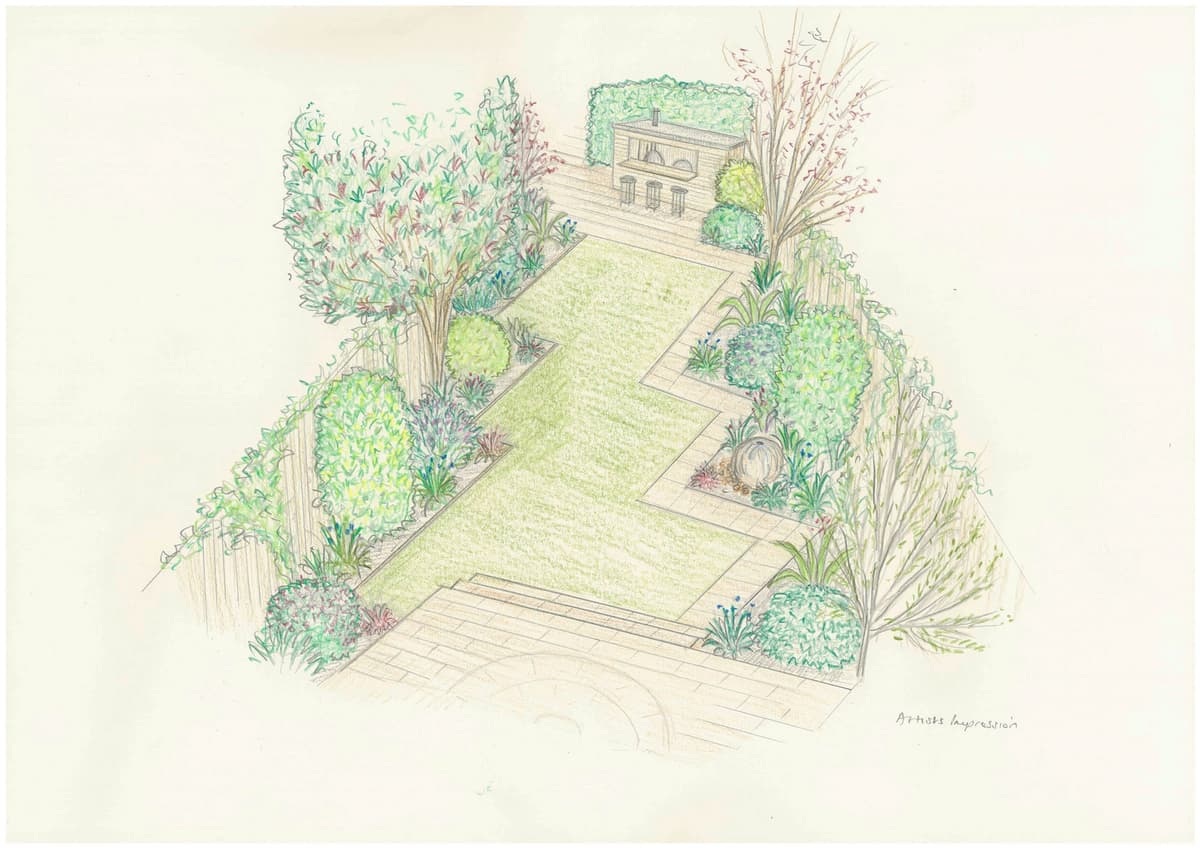
Shrubs are the unsung heroes of low maintenance planting. Once established, they provide year-round structure, require minimal pruning, and suppress weeds by shading the soil beneath them. Unlike herbaceous perennials that die back in winter and need cutting back, dividing, and often staking, shrubs just get on with it.
Best low maintenance shrubs for UK gardens:
- Viburnum tinus: Evergreen, winter flowers, tolerates shade, needs almost no pruning. Grows 2-3m tall.
- Hydrangea paniculata: One cut in spring, spectacular summer blooms, drought-tolerant once established. Varieties like 'Limelight' and 'Vanille Fraise' are reliable performers.
- Mahonia: Architectural evergreen foliage, yellow winter flowers, thrives in dry shade. Perfect for difficult spots under trees.
- Lavender: Evergreen in mild winters, drought-tolerant, loved by bees. Cut back lightly after flowering. Needs full sun and well-drained soil.
- Skimmia japonica: Compact evergreen for shade, red berries in winter, no pruning required. Grows 1m tall.
- Photinia 'Red Robin': Evergreen with bright red new growth, makes excellent hedging or specimen shrub. One or two cuts a year keeps it tidy.
Plant shrubs through weed-suppressing membrane and overlay with bark or gravel mulch. This combination can go several seasons before needing any weeding or mulch topping. Established shrubs rarely need watering in the UK climate.
Install Permanent Edging and Weed Barriers
Permanent features save hours of repetitive work. Lawn edging eliminates the need to trim edges by hand or with shears every time you mow. Weed-suppressing membrane under gravel or bark prevents weeds germinating, so you are hoeing off the occasional seedling rather than digging out established weeds with deep roots.
Effective permanent features:
- Metal lawn edging: Products like Everedge or Smartedge create a permanent barrier between lawn and borders. Mower wheels run along the edge, eliminating hand trimming.
- Brick or paving edging: Lay a row of bricks flush with lawn level. Mower blades cut right to the edge. Traditional look, lasts decades.
- Gravel at lower level: If border is lower than lawn, gravel edge catches clippings and looks tidy with no trimming needed.
- Weed membrane under mulch: Use professional-grade woven membrane, not cheap plastic sheet. Allows water through but blocks light to prevent weed germination. Top with 5-7cm of bark or gravel.
Low Maintenance Planting: What to Choose
Hardy Perennials That Look After Themselves
Not all perennials are high maintenance. The trick is choosing varieties that do not need staking, dividing every few years, or constant deadheading. These are the workhorses that fill borders, suppress weeds, and keep flowering without fuss.
Top low maintenance perennials:
- Geranium 'Rozanne': Flowers May to October, spreads to form weed-suppressing ground cover, no deadheading needed, thrives in sun or part shade. One of the best garden plants full stop.
- Nepeta (Catmint): Lavender-blue flowers all summer, loved by bees, drought-tolerant, no staking required. Cut back after first flush for second flowering.
- Sedum spectabile (Ice Plant): Succulent foliage needs no watering, pink autumn flowers attract butterflies, leave seed heads for winter structure. Thrives in poor, dry soil.
- Erysimum 'Bowles's Mauve': Evergreen perennial wallflower, flowers almost year-round in mild winters, drought-tolerant, no staking. Replace every 3-4 years as it gets woody.
- Hellebores: Evergreen foliage, flowers January to April when little else blooms, thrives in dry shade, self-seeds gently. Remove old leaves in February.
- Alchemilla mollis (Lady's Mantle): Lime-green flowers, tolerates any soil, self-seeds but not invasively, excellent ground cover. Cut back hard after flowering for fresh foliage.
- Salvia nemorosa 'Caradonna': Purple flower spikes June to September, drought-tolerant once established, no staking, attracts bees. Deadhead for repeat flowering.
- Echinacea (Coneflower): Long-flowering (July to October), drought-tolerant, leave seed heads for winter interest and birds. Slow to establish but worth the wait.
Combine these with ornamental grasses like Stipa tenuissima or Calamagrostis for movement and texture with zero maintenance beyond a spring cut-back.
Ground Cover Plants to Suppress Weeds
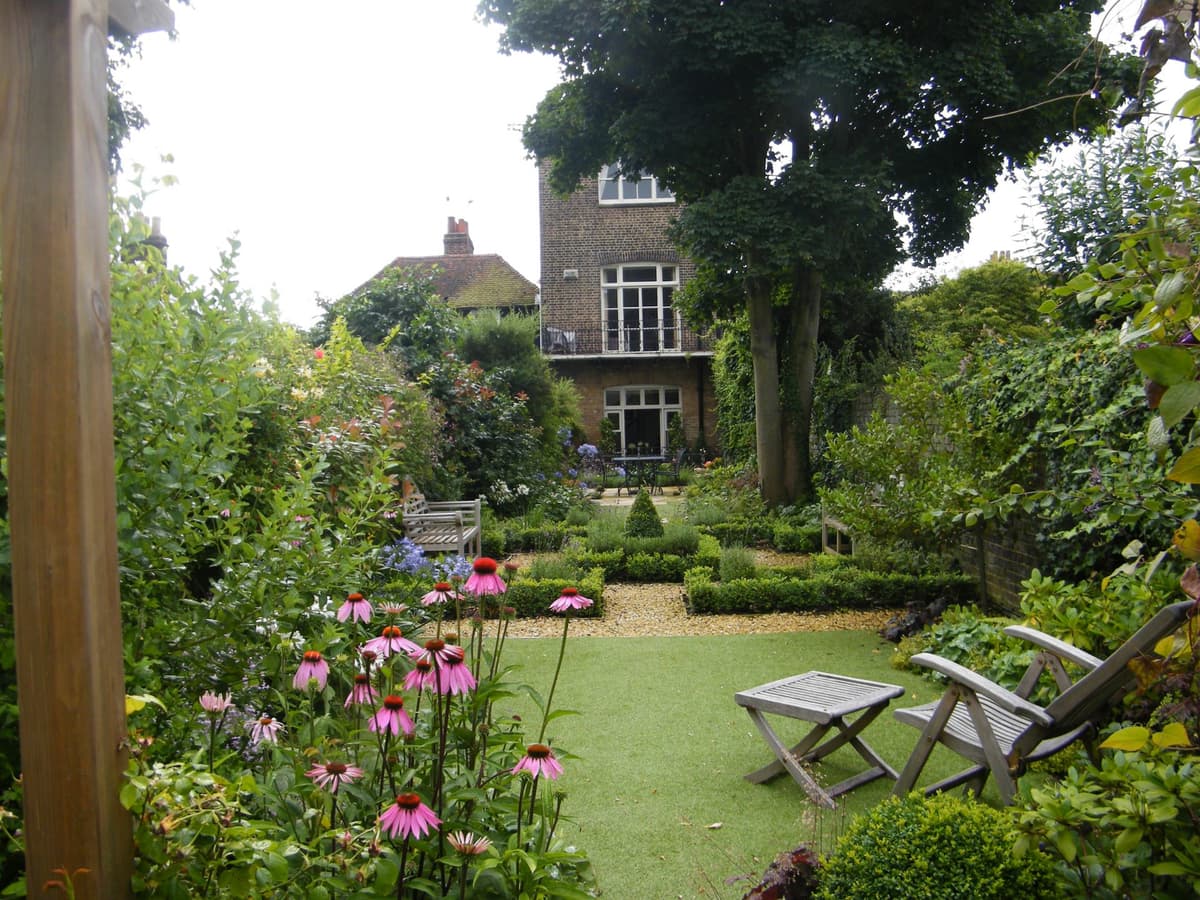
Ground cover plants do the weeding for you. They spread to form dense mats that block light to the soil, preventing weed seeds from germinating. Once established, you barely need to weed at all.
Best ground cover for UK gardens:
- Vinca minor (Periwinkle): Evergreen, blue spring flowers, thrives in dry shade, spreads steadily but not invasively. Perfect under trees.
- Bergenia (Elephant's Ears): Large evergreen leaves, pink or white spring flowers, tolerates dry shade and exposed sites, no maintenance required.
- Ajuga reptans (Bugle): Low-growing evergreen, blue flower spikes in spring, spreads quickly, tolerates shade and damp. Good for problem areas.
- Pachysandra terminalis: Evergreen ground cover for deep shade, white spring flowers, spreads slowly, tolerates dry soil under trees.
- Heuchera: Evergreen foliage in purples, bronzes, and greens, airy flower spikes in summer, tolerates sun or shade. Remove old leaves in spring.
What to Avoid in Low Maintenance Gardens
Some plants are beautiful but high-maintenance. If time is limited, steer clear of:
- Bedding plants: Annuals need replanting every year, constant deadheading, and regular watering. Stick to permanent plantings.
- Tender perennials: Plants that need lifting in winter (dahlias, cannas) or winter protection add seasonal work.
- Tall herbaceous perennials: Delphiniums, phlox, and tall asters need staking, dividing, and often slug control. Choose self-supporting varieties instead.
- Roses: Most roses need pruning, deadheading, blackspot treatment, and feeding. If you must have roses, choose disease-resistant shrub roses like the David Austin Shrub Rose range.
- Containers: Pots need constant watering in summer and seasonal replanting. If using containers, choose large ones (they dry out slower) and use self-watering reservoirs.
Hardscaping and Materials for Low Maintenance Gardens
Gravel Gardens
Gravel is the go-to material for low maintenance gardens. It is relatively cheap, easy to install, permeable (so no drainage issues), and provides a clean, contemporary look. Lay it over weed membrane and it stays virtually weed-free.
We use 20mm pea gravel or 10mm self-binding gravel for paths and seating areas. Plant through the membrane with drought-tolerant Mediterranean plants like lavender, rosemary, Verbena bonariensis, Eryngium, and ornamental grasses. Water for the first season to establish, then leave them to it.
The only maintenance is occasional raking to keep it level and topping up every few years as gravel settles into the soil.
Composite Decking and Paving
Timber decking looks great but needs treating or staining every two to three years. Composite decking (made from recycled wood fibres and plastic) looks like wood but never needs treatment. It costs more upfront but is genuinely zero-maintenance beyond an occasional jet wash.
Natural stone or porcelain paving is similarly low-maintenance. Lay it on a proper sub-base with good drainage and it will last decades. Porcelain is more expensive but resists staining and moss growth better than natural stone.
Raised Beds
Raised beds bring planting up to a more comfortable height, reducing bending and making weeding easier. Fill them with good quality topsoil or compost and plants establish faster. Build them from railway sleepers, brick, or composite boards depending on budget and style.
Raised beds also improve drainage, which is critical for low maintenance planting. Most Mediterranean and drought-tolerant plants hate sitting in winter wet, so raised beds give them the conditions they need to thrive.
Irrigation and Mulching: Work Smarter, Not Harder
Automatic Irrigation
If you have containers or a vegetable patch, automatic irrigation saves enormous amounts of time in summer. A simple timer-controlled drip system costs £100-£300 to install and means you never have to stand with a hose again.
For borders, established shrubs and perennials should not need watering in the UK climate. If you are watering borders regularly, you have chosen the wrong plants for your soil and aspect.
Mulching
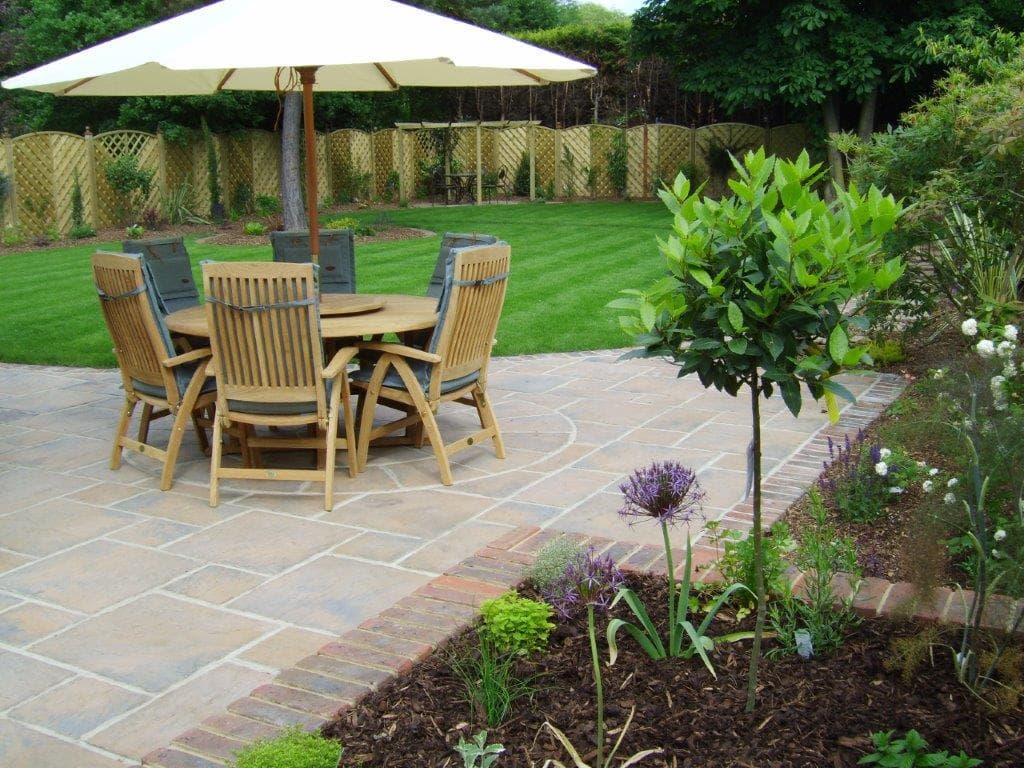
One afternoon spent mulching in spring or autumn can save hours of weeding over the following months. A 5-7cm layer of bark chippings, garden compost, or gravel suppresses weeds, locks moisture into the soil (so you water less), and gradually improves soil structure as it breaks down.
Keep mulch clear of plant stems to avoid rot. Top up every two to three years.
Low Maintenance Does Not Mean Boring
The biggest misconception about low maintenance gardens is that they are dull, minimalist spaces with nothing in them. Done well, a low maintenance garden has year-round interest, seasonal colour, texture, and structure. It just does not demand constant attention.
We design low maintenance gardens with evergreen structure (shrubs, grasses, hedging), seasonal highlights (spring bulbs, summer perennials, autumn berries), and permanent features (sculpture, water features, lighting) that add interest without adding work.
A well-designed low maintenance garden is one you can enjoy rather than one you are always trying to catch up with.
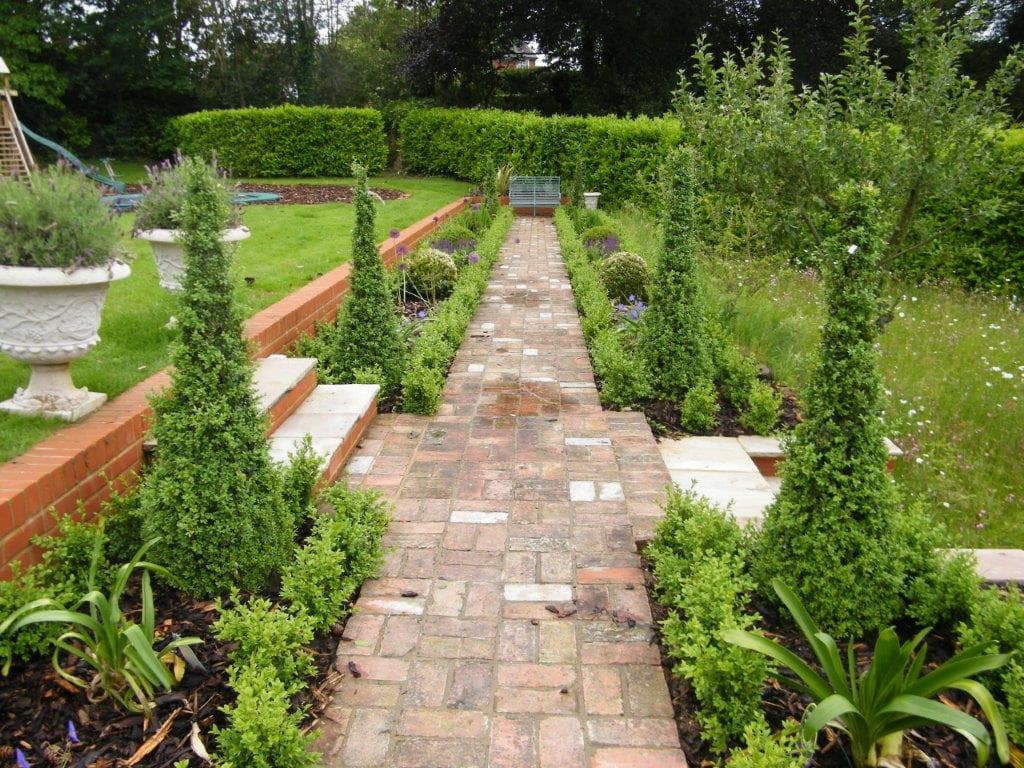
Cost of Low Maintenance Garden Design
Garden design fees for a low maintenance garden start at £1,500 for a concept plan and planting scheme. For a full design and build service, expect to pay:
- Small garden (up to 50sqm): £8,000-£18,000 including design, hard landscaping (paving/gravel/decking), planting, and soil preparation.
- Medium garden (50-100sqm): £18,000-£35,000 including raised beds, irrigation, lighting, and comprehensive planting.
- Large garden (100sqm+): £35,000-£80,000+ depending on features like automated irrigation, large paved areas, bespoke raised beds, and mature planting.
The upfront cost of good hardscaping and permanent features is higher than a traditional garden, but you save money long-term by not replacing bedding plants, not hiring gardeners for weekly maintenance, and not needing constant materials (compost, mulch, treatments).
Working with Soil Sisters
We design low maintenance gardens across Kent, Surrey, Essex, and London. Our approach is practical, site-specific, and focused on gardens that work with your lifestyle rather than demanding constant input.
Every project starts with understanding your soil type (clay, sand, chalk), aspect (sun/shade), and how you want to use the space. We then design around those constraints with the right materials, plant choices, and layout to minimise ongoing work.
Related guides:
- Sustainable garden design (low maintenance and eco-friendly design overlap significantly)
- Mediterranean garden design (drought-tolerant planting for low water use)
- Contemporary garden design (clean lines and structured planting often mean lower maintenance)
- Small garden design (maximising impact in limited space)
- Front garden design (practical low maintenance ideas for kerb appeal)
For more information about our garden design services or to book a free consultation, call 0203 834 9807 or visit our contact page.