
Your front garden is the first thing people see when they approach your home, and it sets the tone for the rest of your property. Whether you have a large sweeping driveway or a compact urban space, a well-designed front garden can enhance your home's curb appeal, offer practical benefits, and even increase your property's value by 5-15%. If you're searching for garden designers for your front garden, it's likely that you're seeking a solution that combines both aesthetics and functionality.
In this guide, we'll explore how thoughtful front garden design can transform your space and cover everything from practical layout ideas to plant choices, costs, and paving options. We'll also highlight how working with a professional garden designer like Soil Sisters can help you achieve a stunning front garden that fits your style, needs, and the character of your home.
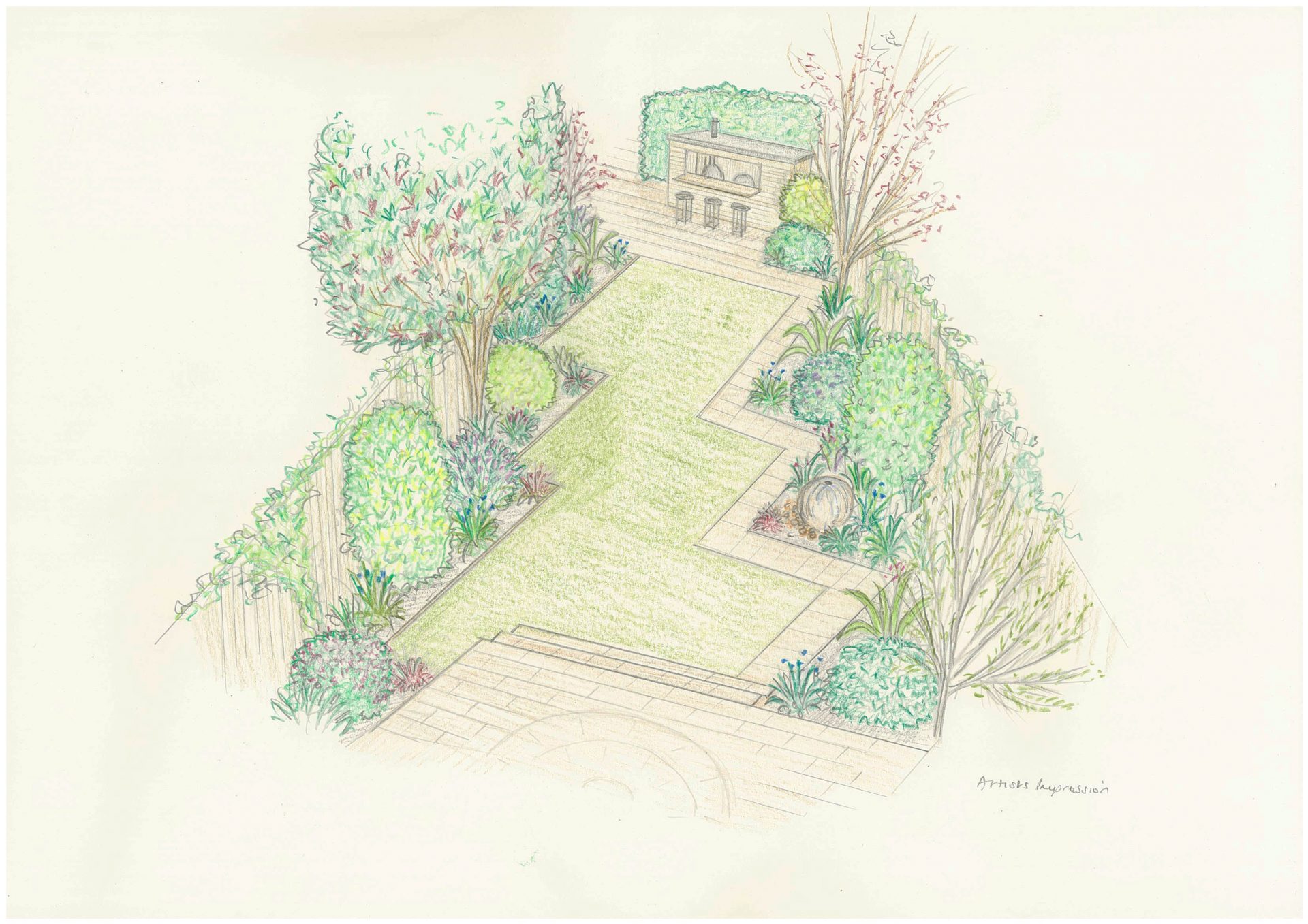
What Are People Looking for in a Front Garden Design?
If you're considering hiring a garden designer to revamp your front garden, you may be looking for one or more of the following elements:
- Curb Appeal: Many homeowners want their front garden to make a lasting first impression. A well-designed front garden should complement the architecture of your home while reflecting your personal style.
- Low Maintenance: Busy homeowners often seek a front garden that looks beautiful year-round with minimal upkeep. Low-maintenance planting schemes, hard landscaping, and thoughtful planning can help achieve this.
- Parking and Practicality: In urban areas, parking is often a priority. A front garden design that includes practical parking solutions while still allowing for greenery and attractive landscaping is highly sought after.
- Privacy: While front gardens are generally more public than back gardens, creating a sense of privacy through screening, hedging, or clever planting is a common request.
- Sustainability: With an increasing focus on eco-friendly gardening, many homeowners are looking for front garden designs that incorporate sustainable practices, such as rainwater harvesting, permeable paving, and wildlife-friendly plants.
Let's delve deeper into these considerations to help guide your front garden transformation.
Front Garden Design Costs (2026)
One of the first questions homeowners ask is: what does a front garden redesign actually cost? The answer depends on your garden's size, the complexity of the design, and whether you're including hard landscaping, planting, or both.
| Garden Size | Design Fee | Design + Build | Typical Scope |
|---|---|---|---|
| Small (up to 15 sqm) | £800 - £1,500 | £4,000 - £8,000 | Path, borders, small parking area |
| Medium (15-30 sqm) | £1,200 - £2,500 | £7,000 - £15,000 | Driveway, planting scheme, path, lighting |
| Large (30-60 sqm) | £2,000 - £4,000 | £12,000 - £30,000 | Full redesign, double driveway, mature planting, water feature |
| Extra Large (60+ sqm) | £3,000 - £8,000+ | £25,000 - £80,000+ | Estate-scale front garden, gates, walls, extensive planting |
These figures are typical for front gardens in Kent, Surrey, Essex, and South East London. Central London prices run 15-25% higher. For a detailed breakdown of garden design costs, see our London garden design cost guide or our budget planning tool.
Boosting Curb Appeal
One of the primary goals of front garden design is to boost your home's curb appeal. Whether you're looking to sell your property or simply want to enhance its appearance, a well-designed front garden can make all the difference.
A professional garden designer will take into account the style and period of your home. For example:
- Traditional homes: If your home has a traditional architectural style, you might consider a design that includes neatly clipped box hedges, gravel pathways, and classic stone planters. See our traditional garden design guide for period property ideas.
- Modern homes: For contemporary properties, sleek lines, minimalist planting, and materials like polished concrete or steel can create a striking entrance. Explore our contemporary garden design guide for modern front garden inspiration.
- Cottage-style homes: Soft, informal planting with a mix of flowering perennials, climbing roses, and textured materials can create a charming, welcoming feel. Read our cottage garden design guide for planting ideas.
Your front garden can be designed to frame your home in a way that highlights its best features while seamlessly blending with the surrounding landscape. Features like well-placed lighting can enhance both aesthetics and safety, making your garden look inviting at night.
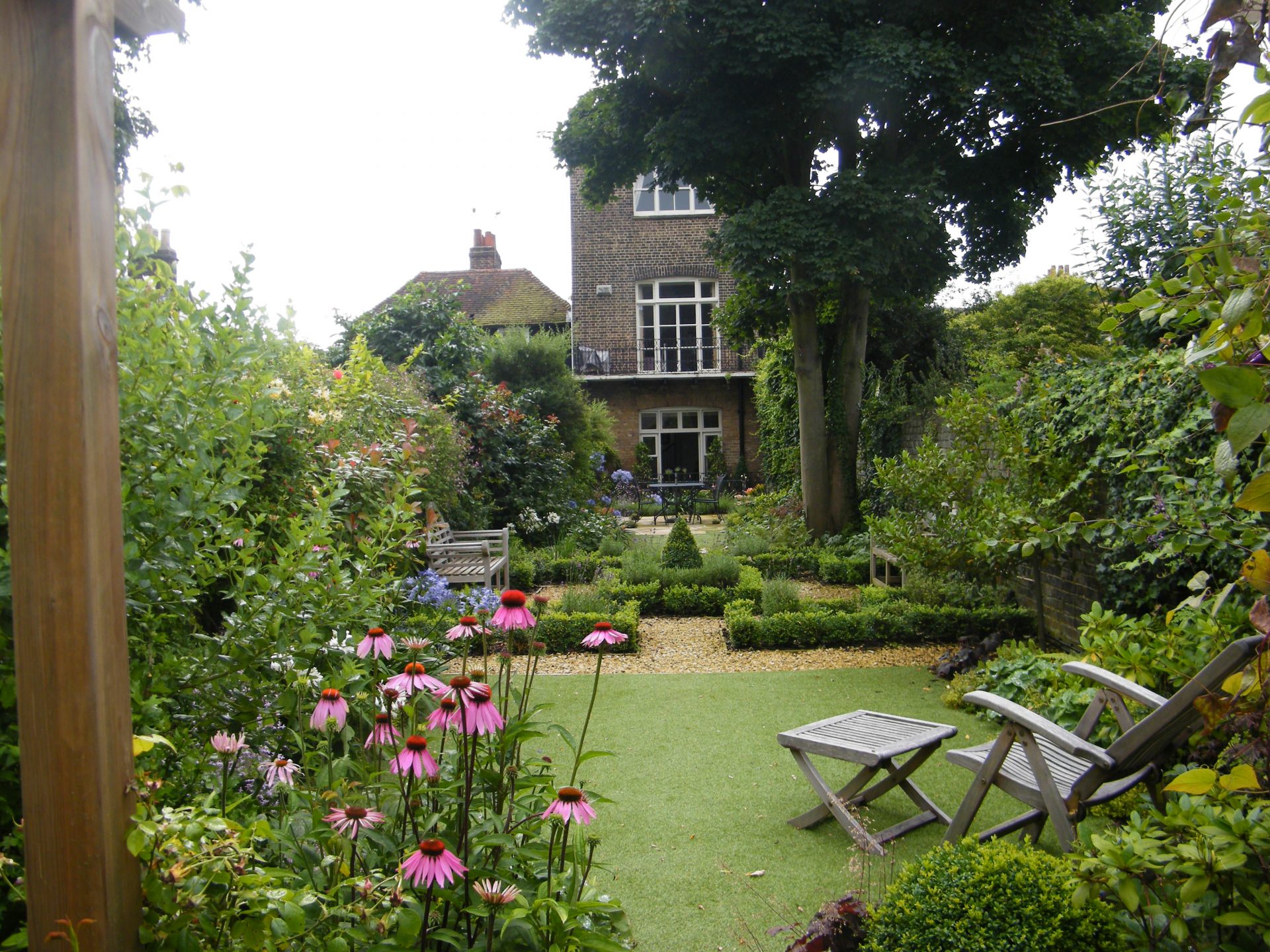
Best Plants for Front Gardens (UK)
Choosing the right plants for your front garden is crucial for year-round interest, low maintenance, and suitability for the UK climate. Here are ten proven performers for front gardens:
| Plant Name | Latin Name | Height | Best Use | Price (2026) |
|---|---|---|---|---|
| Box Hedging | Buxus sempervirens | 60-120cm | Formal edging, topiary | £8-£25 per plant |
| Lavender | Lavandula angustifolia | 45-60cm | Path edging, fragrance, bees | £5-£12 |
| Climbing Rose | Rosa 'New Dawn' | 2-3m | Walls, arches, cottage fronts | £18-£35 |
| Yew Hedging | Taxus baccata | 1-4m | Boundary hedge, formal | £12-£60 (size dependent) |
| Hydrangea | Hydrangea macrophylla | 1-1.5m | Shade borders, focal planting | £15-£30 |
| Geranium | Geranium 'Rozanne' | 40-50cm | Ground cover, long flowering | £8-£15 |
| Japanese Acer | Acer palmatum | 1.5-3m | Focal tree, autumn colour | £40-£200 |
| Ornamental Grass | Miscanthus sinensis | 1-2m | Movement, texture, modern schemes | £10-£25 |
| Hebe | Hebe 'Red Edge' | 40-60cm | Evergreen structure, coastal tolerant | £7-£14 |
| Euphorbia | Euphorbia characias | 80-120cm | Architectural, drought tolerant | £12-£22 |
These plants offer a mix of evergreen structure, seasonal interest, and proven performance in UK conditions. For professional planting design across Kent, Surrey, Essex, and London, Soil Sisters can create a tailored planting plan for your front garden.
Building Year-Round Structure with Evergreens
Unlike back gardens, where you can afford a seasonal lull, front gardens are on show every single day of the year. Visitors, delivery drivers, estate agents, and neighbours see your front garden in January as much as July. This is why evergreen structure is the foundation of good front garden design.
Build your planting scheme around evergreens first, then layer in seasonal colour. A front garden that relies on summer bedding or deciduous perennials will look bare and unwelcoming for at least six months of the year.
Essential Evergreens for UK Front Gardens
- Box Hedging (Buxus sempervirens): The classic choice for formal edging, low hedges (30-60cm), and topiary shapes. Clip twice yearly (June and September). Box blight is a concern, so consider alternatives like Ilex crenata (Japanese holly) or Lonicera nitida if you've had problems. Cost: £8-25 per plant depending on size.
- Yew (Taxus baccata): For taller boundary hedges (1.5-3m). Slow-growing but incredibly long-lived. Provides privacy and structure for 100+ years. One clip per year in late summer. Cost: £12-60 per plant (size dependent).
- Portuguese Laurel (Prunus lusitanica): Fast-growing evergreen hedge for boundaries. Dark green glossy leaves, white flowers in spring. More resistant to disease than cherry laurel. Reaches 2-4m. Cost: £15-40 per plant.
- Sarcococca (Sarcococca confusa): Low-growing evergreen shrub (60-90cm) with intensely fragrant white flowers in January-February. Perfect for shaded front gardens or planting either side of a path. Cost: £12-25.
- Osmanthus (Osmanthus x burkwoodii): Dense evergreen hedge plant with white fragrant flowers in April. Excellent for boundary hedges or topiary. Reaches 2-3m. Cost: £18-35.
- Pittosporum (Pittosporum tenuifolium): Modern, architectural evergreen for contemporary schemes. Variegated forms ('Silver Queen') add light to shaded spots. Reaches 2-4m. Not fully hardy in exposed northern sites. Cost: £15-35.
For professional evergreen planting schemes tailored to your front garden's aspect, soil type, and regional climate, contact Soil Sisters for a free consultation.

Low Maintenance Solutions
Many homeowners search for front garden design ideas that are both attractive and low-maintenance. A busy lifestyle often means that time for gardening is limited, so the design should incorporate elements that require minimal upkeep but still look fantastic.
- Hardscaping: Incorporating hardscaping elements such as stone paths, driveways, and patios can reduce the amount of lawn and garden bed upkeep required. Durable materials like gravel, natural stone, or pavers provide a polished look while being easy to maintain.
- Drought-tolerant plants: Choosing the right plants for your front garden can also minimize maintenance. Hardy perennials, shrubs, and drought-tolerant plants like lavender, ornamental grasses, and sedums are not only beautiful but also resilient in various weather conditions.
- Evergreens: Using a mix of evergreen shrubs ensures your garden has structure and interest year-round, without the need for seasonal replanting.
A professional garden designer can help you create a front garden that looks lush and inviting but requires minimal effort to keep it looking its best.

Gravel Gardens: The Low-Maintenance Front Garden Solution
Gravel gardens are one of the most practical, cost-effective solutions for UK front gardens, particularly if you want year-round structure with almost zero maintenance. They cost 40-60% less to maintain annually than a traditional lawn because there's no mowing, no watering, and no weekly attention required.
A gravel garden consists of:
- Weed-suppressing membrane laid over cleared soil
- 50-75mm of angular gravel (not rounded pea gravel, which rolls underfoot)
- Drought-tolerant plants planted directly through the membrane
The gravel acts as a mulch, keeping plant roots cool in summer and suppressing weed germination. Beth Chatto's famous gravel garden at Elmstead Market, Essex, has never been irrigated since planting in 1991, even on heavy Essex clay. This approach works.
Best Plants for UK Front Garden Gravel Schemes
- Lavender (Lavandula angustifolia 'Hidcote', 'Munstead'): Low hedging, fragrance, bees. Trim after flowering.
- Rosemary (Rosmarinus officinalis): Upright or prostrate forms. Evergreen, fragrant, edible.
- Santolina (Santolina chamaecyparissus): Silver-leaved mounds, yellow flowers, Mediterranean feel.
- Stipa Grasses (Stipa tenuissima, Stipa gigantea): Movement, texture, seed heads through winter.
- Alliums (ornamental onions): Structural spheres in May-June, then dried seed heads.
- Echinacea: Long flowering (July-Sept), seed heads for birds, excellent in gravel.
- Verbena bonariensis: Tall, airy purple flowers, self-seeds gently through gravel.
- Eryngium (sea holly): Architectural, metallic blue flowers, drought-proof.
Front Garden Gravel Costs (2026)
| Garden Size | Install Cost | Annual Maintenance | vs Lawn Annual Cost |
|---|---|---|---|
| 10 sqm (small front) | £300 - £600 | £40 - £80 | Lawn: £120 - £200 |
| 20 sqm (medium front) | £600 - £1,200 | £80 - £150 | Lawn: £240 - £400 |
| 40 sqm (large front) | £1,200 - £2,400 | £150 - £250 | Lawn: £480 - £800 |
Gravel gardens are fully permeable, so they comply with UK planning regulations for front garden drainage. For design guidance on drought-tolerant planting schemes, see our sustainable garden design guide.
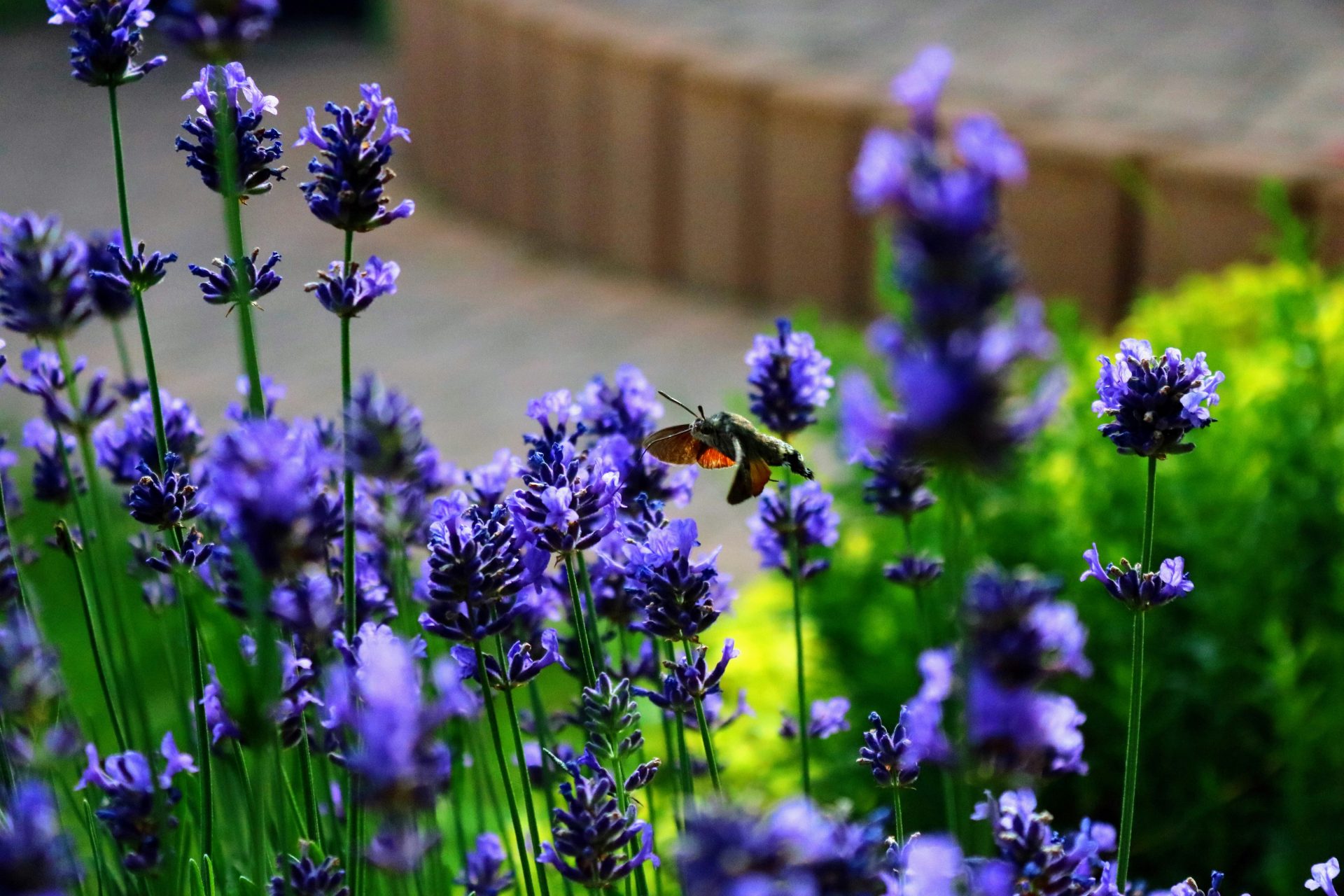
Paving and Surfacing Options for Front Gardens
The choice of paving material has a significant impact on both the look and budget of your front garden. Here's a breakdown of the most popular options:
| Material | Cost per sqm (2026) | Lifespan | Best For | Maintenance |
|---|---|---|---|---|
| Gravel | £30 - £50 | 10-15 years | Cottage, traditional, budget-conscious | Low (occasional topping-up) |
| Block Paving | £60 - £100 | 20-25 years | Driveways, parking, versatile | Medium (weed growth, occasional repointing) |
| Resin Bound | £80 - £120 | 15-20 years | Modern, permeable, smooth finish | Low (sweep/hose) |
| Indian Sandstone | £70 - £120 | 25-30 years | Paths, traditional, natural look | Low (occasional seal/clean) |
| Porcelain Paving | £90 - £150 | 30+ years | Contemporary, high-end, low stain | Very low (wipe clean) |
| York Stone (reclaimed) | £120 - £200 | 50+ years | Period properties, luxury, heritage | Low (moss removal) |
All prices include supply and installation. Preparation work (excavation, sub-base, drainage) adds £15-£30 per sqm. For detailed material guidance, see our materials guide.
Parking and Practicality
For many city dwellers, finding space for parking in their front garden is a key concern. However, it's possible to incorporate parking solutions without sacrificing style or greenery.
- Permeable paving: A well-designed front garden can include permeable paving, which allows water to drain naturally, helping prevent flooding and keeping your garden eco-friendly. Gravel driveways, permeable block paving, or grass paving are ideal options for this.
- Integrated planting: Even if a significant portion of your front garden needs to be reserved for parking, there are ways to integrate greenery. Borders, raised beds, or planters along the edges of a driveway can soften the look and add greenery to balance the hardscaping.
- Driveway design: When creating a driveway, materials and layout play a big role in achieving an attractive result. Circular driveways or split paths can offer both functional parking space and a garden area to add greenery and design interest.
Planning permission note: If you're creating or widening a driveway, you may need planning permission for a dropped kerb from your local authority. Driveways over 5 sqm of impermeable surface also require compliance with SuDS (Sustainable Drainage Systems) regulations. See our planning permission guide for regulatory context.
Creating Privacy
Although front gardens are naturally more exposed than back gardens, it's still possible to create a sense of privacy. Whether you're looking to shield your property from prying eyes or simply define the boundaries of your space, here are some effective ways to do so:
- Hedging: Evergreens like yew or box make excellent formal hedges that can act as a natural screen between your garden and the road. They also add structure and year-round greenery.
- Trellis and climbers: A trellis with climbing plants such as jasmine, clematis, or roses can create a natural screen, adding height and beauty to your front garden without making it feel too enclosed.
- Trees and shrubs: Planting small trees or tall shrubs near your windows or around the perimeter of your garden can create a sense of enclosure and add visual interest.
Sustainability in Front Garden Design
With environmental concerns at the forefront of modern garden design, many homeowners are searching for ways to make their front gardens more sustainable.
- Rainwater harvesting: Installing a rainwater collection system can help reduce water waste and keep your garden hydrated during dry periods. It's a great way to make your front garden more eco-friendly.
- Wildlife-friendly planting: Pollinator-friendly plants, such as lavender, rosemary, and wildflowers, can attract bees, butterflies, and birds to your garden. A sustainable front garden can provide a small but valuable habitat for local wildlife.
- Permeable surfaces: Using permeable materials for driveways and paths helps prevent runoff and promotes groundwater recharge, making your front garden more environmentally friendly.
Front Gardens for Sloping Sites
If your front garden slopes towards or away from the house, you face unique design challenges. Retaining walls, terraced planting beds, or stepped paths can turn a gradient into a design feature rather than a problem. Costs for sloping site work range from £150-£300 per linear metre for sleeper retaining walls, or £200-£450/lm for natural stone walls. For detailed guidance on gradients, drainage, and terracing, see our sloping garden design guide.
Why Work with a Garden Designer?
Designing a front garden that balances aesthetics, practicality, and sustainability requires expertise and a deep understanding of outdoor spaces. Working with a professional garden designer ensures that every aspect of your front garden is carefully considered, from plant selection to layout and materials.
A well-designed pathway is often the first thing visitors notice in a front garden, setting the tone for the whole property. Read our guide on the importance of pathways and walkways in garden design for layout and material tips.
At Soil Sisters, we work closely with our clients to understand their needs and preferences, whether it's a modern front garden design, a cottage-style retreat, or a low-maintenance urban space. Our team specialises in creating bespoke designs for front gardens of all shapes and sizes across Kent, Surrey, Essex, South East London, and beyond, helping you make the most of your outdoor space.
Frequently Asked Questions
How much does front garden design cost in the UK?
Design fees range from £800 for a small front garden (under 15 sqm) to £8,000+ for large estate-scale projects. Full design and build costs typically range from £4,000 (small urban front) to £80,000+ (large country property with gates, walls, and mature planting). Location affects pricing: Central London runs 15-25% higher than Kent or Surrey. See our cost guide for detailed breakdowns.
Do I need planning permission to convert my front garden to parking?
Probably. You need planning permission from your local authority to create or widen a vehicle crossover (dropped kerb). Even if permitted development rights apply, you still need to comply with SuDS regulations if your driveway exceeds 5 sqm of impermeable surface. Some conservation areas have stricter rules. Check with your council before starting work. Soil Sisters can advise on permeable paving solutions that meet drainage requirements.
What are the best low-maintenance plants for a front garden?
Box hedging (Buxus sempervirens), lavender, ornamental grasses (Miscanthus, Stipa), Geranium 'Rozanne', Hebe varieties, and Euphorbia characias are all low-maintenance, UK-hardy, and provide year-round interest. Evergreen shrubs like yew give structure without seasonal replanting. Avoid high-maintenance annuals and lawns if you want minimal upkeep.
How can I make a small front garden look bigger?
Use diagonal or curved pathways to create depth. Plant in layers with taller plants at the back and shorter at the front. Avoid cluttering with too many features; one focal point (a tree, sculpture, or water feature) works better than several. Light-coloured paving reflects more light and makes the space feel larger. Vertical planting (climbers, wall-mounted planters) adds greenery without taking up ground space.
What's the best paving material for a front garden driveway?
It depends on your budget, style, and drainage requirements. Block paving (£60-£100/sqm) is versatile and durable. Resin bound (£80-£120/sqm) is permeable and low-maintenance. Porcelain (£90-£150/sqm) suits contemporary schemes and has excellent longevity. For period properties, reclaimed York stone (£120-£200/sqm) is unbeatable for character. All options should include proper sub-base and drainage.
How do I create privacy in a front garden without blocking light?
Use semi-transparent screening like trellis with climbing plants (jasmine, clematis, star jasmine). Opt for airy hedging like hornbeam or beech rather than dense conifers. Plant tall ornamental grasses (Miscanthus, Calamagrostis) in borders to create visual barriers without solid mass. Raised beds with multi-stem trees (birch, amelanchier) screen windows while allowing light through their canopies.
How long does a front garden redesign take?
Design phase: 2-4 weeks (initial consultation, concept design, detailed plans). Build phase: 1-3 weeks for small front gardens (up to 20 sqm), 3-6 weeks for medium (20-40 sqm), 6-12 weeks for large projects with walls, gates, drainage, and extensive planting. Weather, material availability, and complexity affect timelines. Soil Sisters provides project schedules during the consultation phase.
Free Consultation with Soil Sisters
If you're ready to transform your front garden into a beautiful, functional space that enhances your home's curb appeal, Soil Sisters offers a free consultation to get started. We'll assess your garden's potential, discuss your design goals, and create a custom plan to bring your vision to life.
Whether you're in Sevenoaks, across Kent, Surrey, Essex, or anywhere across London and the South East, we'd love to help you create a front garden that welcomes you home every day.
Contact us today to book your free consultation and start your front garden transformation. Call 0203 834 9807 or enquire online.
Front Garden Layouts by UK Property Type
The size and shape of your front garden depends heavily on your property type. Here's how to approach design for the three most common UK housing types.
Terraced House Front Garden (2m x 4m, approx 8 sqm)
Terraced house front gardens are the smallest and most public. Every square metre counts, and the design must balance practicality (path to door, bin storage) with kerb appeal.
Layout priorities:
- Central path (60-80cm wide) in brick, stone, or tile to match house
- Narrow borders (30-50cm) either side of path
- Use vertical space: wall climbers, window boxes, hanging baskets
- Keep planting simple: 3-5 plant types maximum, repeated
- One focal point (topiary ball, architectural pot, specimen shrub)
Best plants for terraced fronts: Box balls in pots either side of door, lavender path edging, climbing rose or jasmine on wall, Sarcococca for winter scent.
Cost estimate (2026): £800 - £2,500 (path resurfacing, planting, pots)
Semi-Detached Front Garden (4m x 6m, approx 24 sqm)
Semi-detached properties typically have space for one car plus planting. The challenge is integrating parking without losing all greenery.
Layout priorities:
- Permeable driveway (resin-bound, block paving, or gravel) for one car
- Retain 30-40% of front garden as planted border
- Low hedge or planting strip along boundary (yew, box, or lavender)
- Path to front door separate from driveway
- Screen bins with trellis and climbers or low evergreen hedge
Best plants for semi-detached fronts: Portuguese laurel hedge (boundary), ornamental grasses and lavender (front border), climbing rose on house wall, Pittosporum (corner feature).
Cost estimate (2026): £3,000 - £8,000 (driveway, planting, path, edging)
Detached House Front Garden (6m x 10m, approx 60 sqm)
Detached properties offer the most scope for front garden design. You can include sweeping driveways, mature planting, water features, and substantial boundary hedges.
Layout priorities:
- Curved or sweeping driveway for two cars (avoid straight lines if space allows)
- Substantial planted borders (1-2m deep minimum)
- Boundary hedge or wall (yew, beech, or laurel for hedges; brick or stone for walls)
- Focal tree (Japanese acer, silver birch, ornamental cherry)
- Lighting along path and driveway for safety and drama
Best plants for detached fronts: Yew hedge (boundary), Japanese acer (focal tree), hydrangeas and geraniums (front border), climbing roses on house, ornamental grasses for movement.
Cost estimate (2026): £8,000 - £25,000 (double driveway, mature planting, boundary hedge, lighting, water feature optional)
For a bespoke front garden design tailored to your property type, book a free consultation with Soil Sisters. Call 0203 834 9807.

Gates, Fences and Boundaries for Front Gardens
Your front garden boundary defines the character of your property as much as the planting does. The right gate, fence, or hedge can frame your home beautifully and provide privacy without making the space feel closed off.
Front Garden Gates
Choose a gate style that matches your property's architecture:
- Victorian/Edwardian terraces: Cast iron gates with vertical bars or scrollwork. Heritage Cast Iron and similar foundries replicate original Victorian designs. Cost: £400 - £1,200 per gate.
- Cottage-style properties: Wooden five-bar gates or picket fences painted in traditional colours (white, sage green, slate blue). Oak Leaf Gates make bespoke wooden gates. Cost: £350 - £900.
- Modern/contemporary homes: Horizontal timber slat gates (cedar, oak) or powder-coated aluminium in charcoal, black, or anthracite. Cost: £500 - £1,500.
- Period stone properties: Simple metal estate-style gates or solid timber gates with strap hinges. Cost: £600 - £2,000.
Front Garden Fences
Fencing works best where you need privacy, wind protection, or a clear boundary line:
- Close-board fencing: Vertical overlapping boards, 1.2-1.8m high. Provides privacy. Stain in dark oak or paint. Cost: £60 - £100 per linear metre installed.
- Picket fencing: Low (60-90cm) painted fence, decorative rather than functional. Perfect for cottage fronts. Cost: £40 - £70 per linear metre.
- Horizontal slat fencing: Contemporary style, usually 1.2-1.5m high. Works with modern architecture. Cost: £80 - £120 per linear metre.
- Post and rail: Open fencing (2-3 horizontal rails) for rural or large frontages. Cost: £30 - £50 per linear metre.
Front Garden Hedges
Hedges are the most natural-looking boundary and support biodiversity. They take time to establish but last decades:
- Yew (Taxus baccata): The gold standard for formal hedges. Slow-growing (15-30cm/year) but dense, evergreen, and lasts centuries. Plant 30-40cm apart for hedging. Cost: £12-60 per plant.
- Beech (Fagus sylvatica): Deciduous but retains brown leaves through winter. Excellent for rural or semi-rural properties. Cost: £8-20 per plant.
- Hornbeam (Carpinus betulus): Similar to beech but tolerates wetter soil. Cost: £8-20 per plant.
- Box (Buxus sempervirens): Low formal hedge (30-90cm). Evergreen, slow-growing, traditional. Watch for box blight. Cost: £8-25 per plant.
- Native mixed hedge: Hawthorn, blackthorn, dog rose, field maple. Best for rural properties or wildlife-focused designs. Cost: £3-8 per whip (bare-root plant).
For boundary planting design and installation, Soil Sisters works across Kent, Surrey, Essex, and South East London.