
Introduction
Choosing a garden design style is one of the most important decisions you'll make when planning a new garden or redesigning an existing one. The right style reflects how you live, what you value, and how much time you want to spend maintaining your outdoor space.
Whether you're working with a compact courtyard in London, a family garden in Kent, or a larger plot in Surrey, understanding the defining characteristics of each garden style will help you make a decision that suits both your property and your lifestyle.
This guide covers the most popular garden design styles across the UK in 2026, from the abundant planting of cottage gardens to the clean lines of contemporary design. We'll explain what makes each style work, who it's best suited to, typical costs, and how to adapt each approach to South East England's climate and growing conditions.
Why Garden Style Matters
Your garden style determines everything that follows: the plants you choose, the materials you use, the layout of paths and seating areas, and the level of maintenance required. Get the style right at the start and the rest of the design decisions become much easier.
A well-chosen style also adds value to your property. Research shows that gardens designed with a clear, cohesive style can add between 5% and 15% to a home's value, particularly in London and the South East where outdoor space is at a premium.
The Most Popular Garden Design Styles in the UK
1. Cottage Garden Style
Cottage gardens are defined by abundant, layered planting that feels natural and slightly untamed. Roses, lavender, foxgloves, delphiniums, and climbing clematis overflow in borders that blur the line between formal and wild.
This is one of the most romantic garden styles, but it requires genuine horticultural skill to make it look effortless. The best cottage gardens have a clear structure underneath the abundance: paths that lead somewhere, focal points, and a framework of hedging or evergreen shrubs.
Who it suits: Homeowners who love plants above all else, enjoy spending time in the garden, and don't mind a bit of seasonal untidiness. Works beautifully in period properties but translates well to urban gardens too.
Key plants: Old-fashioned roses, delphiniums, lupins, hollyhocks, foxgloves, lavender, geraniums, nepeta, climbing roses and honeysuckle.
Typical costs: £2,500–£8,000 for a design and planting plan for a medium-sized garden (60–100 sqm). Plant costs typically run £15–£35 per sqm for cottage garden borders.
Learn more: Cottage Garden Design: How to Plan, Plant and Maintain a Beautiful Cottage Garden
2. Contemporary Garden Design
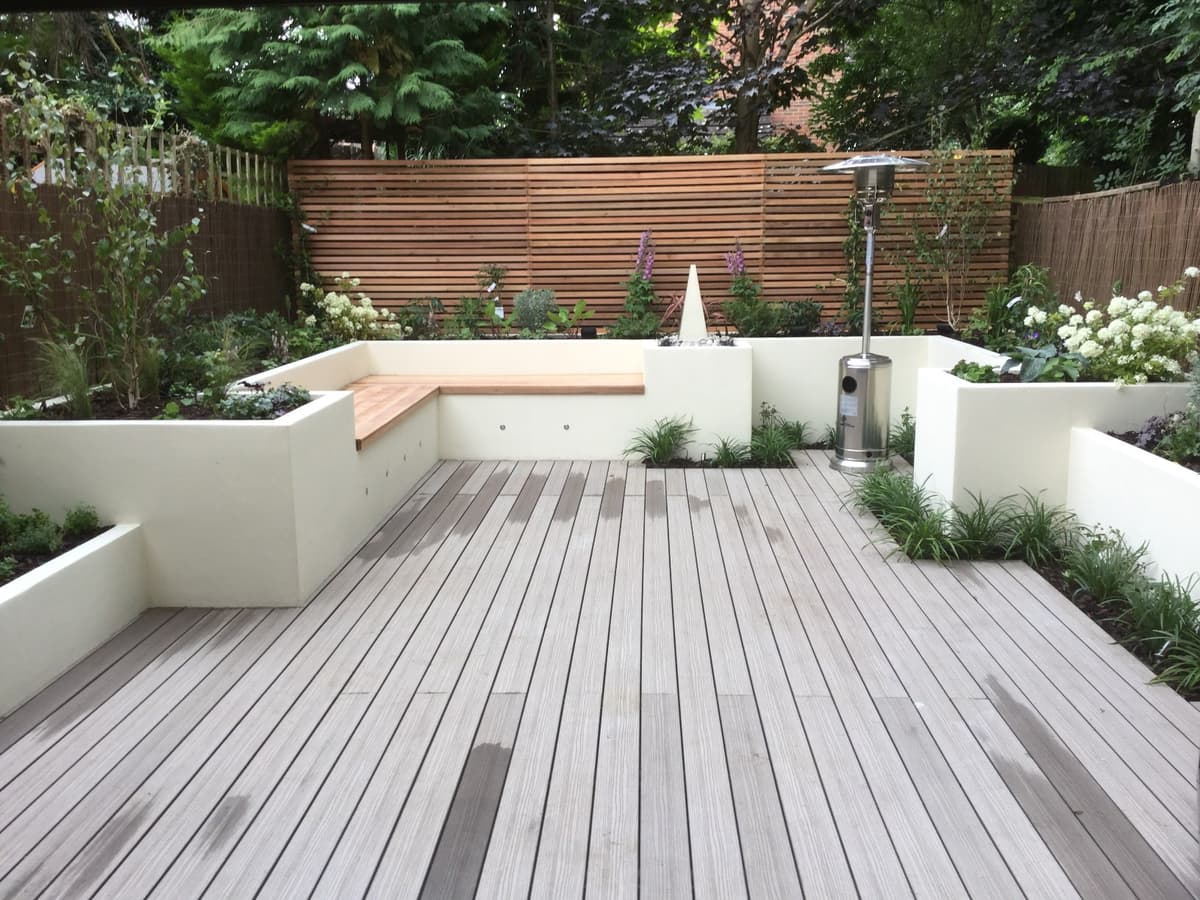
Contemporary gardens prioritise simplicity, clean lines, and a strong visual connection between indoor and outdoor living. This style uses geometric shapes, limited materials, and restrained planting to create spaces that feel calm, uncluttered, and timeless.
Hard landscaping plays a major role: porcelain paving, rendered walls, steel planters, and glass balustrades. Plants are used architecturally rather than abundantly—think clipped box hedging, multi-stem birch trees, and repeating blocks of ornamental grasses.
Contemporary design works particularly well for new-build properties and modern extensions, where the garden needs to complement clean architectural lines.
Who it suits: Homeowners who value low maintenance, prefer a structured aesthetic, and want a garden that functions as an outdoor room for entertaining.
Key plants: Clipped box (Buxus), multi-stem Betula (birch), Miscanthus grasses, bamboo (clumping varieties like Fargesia), topiary yew, architectural ferns.
Materials: Porcelain paving, limestone, composite decking, Cor-ten steel, rendered walls, glass balustrades.
Typical costs: £8,000–£20,000+ for design and build of a contemporary courtyard (40–80 sqm), depending on materials and level of detail.
Learn more: Contemporary Garden Design: How to Create a Sleek, Modern Garden in the UK
3. Mediterranean Garden Design
Mediterranean gardens draw inspiration from the hot, dry climates of southern France, Italy, and Spain. They're characterised by drought-tolerant plants, gravel mulch, terracotta pots, and warm-coloured paving.
This style has become increasingly practical for the UK as summers get warmer and water conservation becomes more important. Mediterranean gardens require significantly less irrigation than traditional British borders and are generally lower maintenance once established.
The challenge in the South East is winter wet. Many Mediterranean plants tolerate cold but dislike sitting in waterlogged soil, so good drainage is essential.
Who it suits: Homeowners with sunny, well-drained gardens who want a low-maintenance, water-wise design. Ideal for south-facing gardens and properties with a contemporary or rustic aesthetic.
Key plants: Lavender, rosemary, santolina, cistus, euphorbia, sedum, achillea, verbena, olive trees (in pots or sheltered spots), ornamental grasses.
Materials: Gravel, terracotta, natural stone paving (limestone, sandstone), rustic timber, galvanised metal.
Typical costs: £3,000–£10,000 for design and build, depending on size. Gravel gardens are among the most affordable styles to install and maintain.
Learn more: Mediterranean Garden Design: A Practical Guide for South East England
4. Japanese Garden Design
Japanese gardens are rooted in centuries of design philosophy that emphasises harmony, balance, and the careful arrangement of natural elements. Water, stone, and evergreen planting are used to create contemplative spaces that look beautiful year-round.
Authentic Japanese garden design follows strict principles—asymmetry, borrowed scenery, and symbolic meaning—but the style can be adapted to UK conditions and smaller plots without losing its essence.
Who it suits: Homeowners who value tranquillity, prefer evergreen interest over seasonal colour, and are willing to invest in quality materials and specialist plants.
Key plants: Acers (Japanese maples), bamboo (clumping Fargesia), ferns, mosses, pines, azaleas, Japanese forest grass (Hakonechloa macra), irises.
Materials: Natural stone (granite, slate), gravel, bamboo fencing, water (still ponds or tsukubai basins), stone lanterns.
Typical costs: £6,000–£18,000+ for design and build of a Japanese-inspired courtyard or section of a larger garden. Specialist stone and plants add to costs.
Learn more: Japanese Garden Design: How to Create a Japanese-Inspired Garden in the UK
5. Traditional English Garden Design
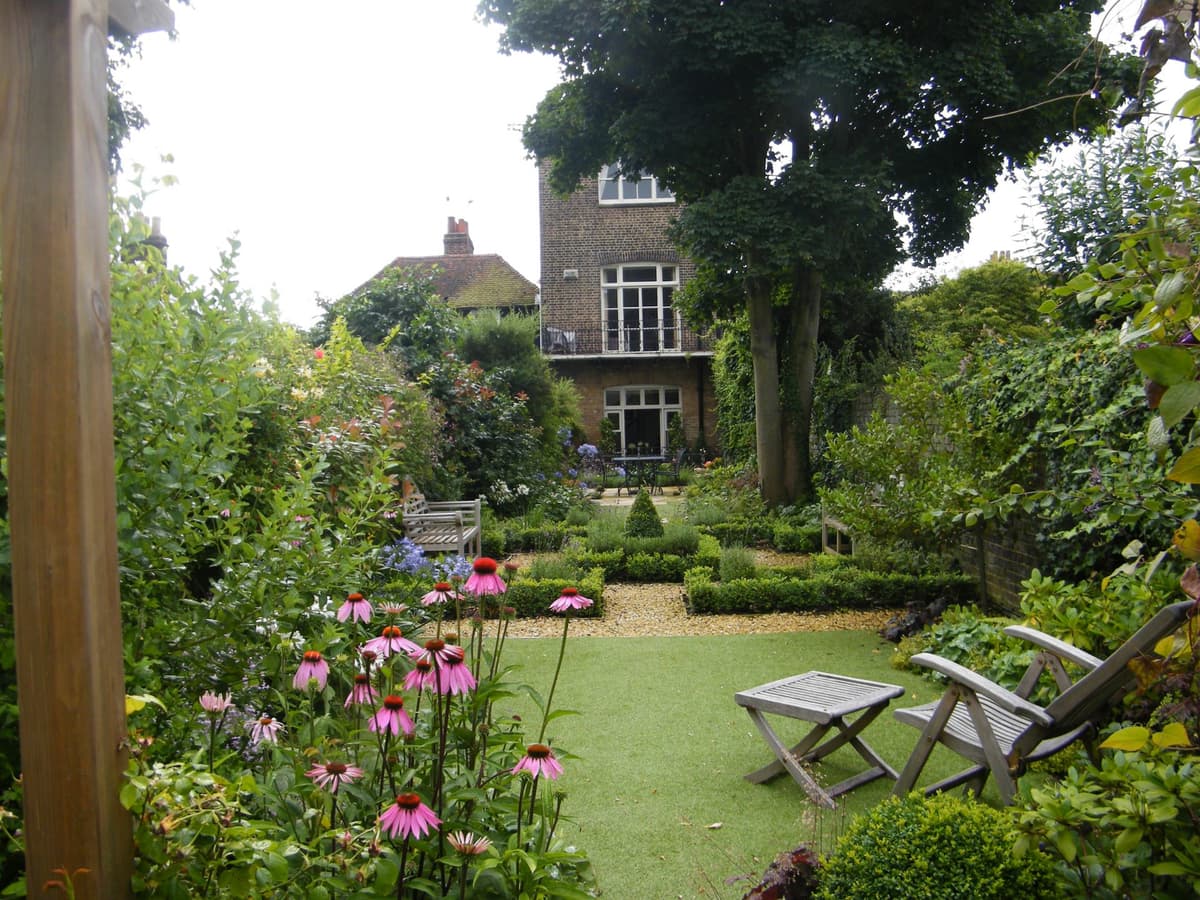
Traditional gardens are formal, symmetrical, and often feature herbaceous borders, clipped hedges, lawns, and classic garden structures like pergolas and rose arches. This style is rooted in the great English gardens of the 18th and 19th centuries.
Traditional design works particularly well with period properties—Georgian, Victorian, and Edwardian homes—where the garden needs to feel in keeping with the architecture. It's a high-maintenance style that rewards the effort with seasonal drama.
Who it suits: Homeowners with period properties, those who enjoy active gardening, and anyone who loves traditional British planting combinations.
Key plants: Roses, delphiniums, peonies, lupins, phlox, achillea, box hedging, yew hedging, herbaceous perennials.
Typical costs: £8,000–£25,000+ for design and build of a traditional garden (100+ sqm), including structural planting, hedges, and herbaceous borders.
Learn more: Garden Design for Traditional Gardens: Crafting Timeless Beauty
6. Wildlife Garden Design
Wildlife gardens prioritise native plants, biodiversity, and habitat creation. They include features like wildlife ponds, log piles, hedgehog highways, bird boxes, and bee hotels, all designed to support local wildlife.
This style has become mainstream in recent years, driven by concerns about declining insect populations and the loss of urban green space. A well-designed wildlife garden doesn't look neglected—it's structured, intentional, and can be just as beautiful as any other style.
Who it suits: Families with children, nature lovers, and homeowners who want a garden that contributes to local ecology. Works in gardens of any size.
Key plants: Native wildflowers (primrose, bluebells, cowslips), native hedging (hawthorn, blackthorn, hazel), nectar-rich perennials (verbena bonariensis, echinacea, sedum), native climbers (honeysuckle, ivy).
Typical costs: £2,000–£7,000 for a wildlife-focused redesign, including pond installation, native planting, and habitat features.
Learn more: Wildlife Garden Design: How to Create a Beautiful, Biodiverse Garden in the South East
7. Tropical Garden Design
Tropical gardens use hardy exotic plants to create lush, jungle-like spaces that thrive in the UK. The key is choosing plants that look tropical but tolerate British winters: hardy palms, bananas, tree ferns, and bamboo.
This style has exploded in popularity over the last decade, partly because so many "tropical" plants are genuinely hardy in the South East, and partly because climate change has made the UK more hospitable to exotics.
Who it suits: Adventurous gardeners who want year-round structure and bold foliage. Works well in sheltered urban gardens and courtyard spaces.
Key plants: Trachycarpus fortunei (Chusan palm), Musa basjoo (hardy banana), Dicksonia antarctica (tree fern), bamboo (Phyllostachys, Fargesia), Fatsia japonica, Tetrapanax papyrifer.
Typical costs: £3,500–£12,000 for design and planting of a tropical-style garden (60–100 sqm). Exotic plants can be more expensive than traditional perennials.
Learn more: Tropical Garden Design: Creating Your Dream Oasis

8. Sustainable Garden Design
Sustainable gardens are designed to work with nature rather than against it. They use peat-free soil, native planting, permeable paving, rainwater harvesting, and wildlife-friendly features to reduce environmental impact.
This isn't a visual style in the same way as cottage or contemporary—it's a design philosophy that can be applied to any aesthetic. A sustainable garden can be formal or wild, minimal or abundant.
Who it suits: Environmentally conscious homeowners, those looking to reduce water use and maintenance, and anyone interested in creating a resilient, future-proof garden.
Key features: Rain gardens, permeable paving, peat-free compost, native planting, composting areas, water butts, green roofs, wildlife habitat.
Typical costs: £4,000–£15,000 depending on the scale of interventions. Sustainable design often costs less long-term due to reduced water, fertiliser, and maintenance requirements.
Learn more: Sustainable Garden Design: A Practical Guide for UK Homeowners
9. Small Garden and Courtyard Design
Small gardens and courtyards require a different approach. Every square metre counts, so planting needs to be carefully layered, materials should be high quality, and the layout must balance practicality with beauty.
Common challenges include shade, overlooking from neighbours, poor soil, and lack of storage. Good small garden design addresses all of these while making the space feel larger than it is.
Who it suits: Urban homeowners, anyone with a terraced or townhouse garden, and those who want a low-maintenance outdoor room.
Key strategies: Vertical planting (climbers, green walls), multi-functional furniture, mirrors to create depth, light-coloured paving to reflect light, year-round evergreen structure.
Typical costs: £5,000–£15,000 for full redesign and build of a small courtyard (20–50 sqm), including paving, planting, and boundaries.
Learn more:
- Garden Design for Courtyard and Small Garden Spaces: Maximising Every Inch
- Balcony Garden Design UK | Plants, Costs & Ideas
10. Accessible Garden Design
Accessible gardens are designed for people with reduced mobility, visual impairments, dementia, or other conditions that make traditional gardens difficult to navigate or enjoy.
Good accessible design isn't institutional—it's inclusive, beautiful, and practical. Wide paths, raised beds at the right height, sensory planting, and level access all contribute to a garden that everyone can use.
Who it suits: Older homeowners, people with disabilities, families with members who use wheelchairs or mobility aids.
Key features: 1.2m minimum path width for wheelchairs, non-slip paving, raised beds at 60–75cm height, handrails, good lighting, sensory planting (scent, texture, sound).
Typical costs: £6,000–£20,000+ depending on the scope of access improvements. Disabled Facilities Grants are available in some cases.
Learn more: Accessible Garden Design: A Practical Guide for Every Ability
How to Choose the Right Style for Your Garden
Choosing a garden style isn't about fashion—it's about finding an approach that fits your property, your lifestyle, and how you want to use your outdoor space.
1. Start with Your Property
Period properties often suit traditional or cottage styles, while modern homes pair naturally with contemporary or Mediterranean design. That said, contrasting styles can work beautifully if executed well—think a minimalist courtyard in a Georgian townhouse.
2. Consider Your Lifestyle
Do you want to spend weekends deadheading roses, or would you rather have a garden that looks after itself? Cottage and traditional gardens are high maintenance. Contemporary, Mediterranean, and sustainable gardens require far less ongoing work once established.
3. Think About Sun and Shade
South-facing gardens suit Mediterranean, tropical, and cottage styles. North-facing or heavily shaded gardens work better with Japanese, woodland, or contemporary designs that use shade-tolerant plants.
If you're struggling with a shady garden, see our guide: North-Facing Garden Design: How to Create a Beautiful Garden in the Shade
4. Set a Realistic Budget
Garden design costs vary enormously depending on style, materials, and the complexity of the build. As a rough guide:
- Budget-friendly: Mediterranean, gravel gardens, wildlife gardens: £3,000–£8,000
- Mid-range: Cottage, small courtyard, accessible gardens: £5,000–£15,000
- High-end: Contemporary, Japanese, traditional formal gardens: £8,000–£30,000+
For a full breakdown of design and build costs, see: Garden Design Cost London 2026 | Prices From £1,500
5. Don't Be Afraid to Mix Styles
The best gardens often blend elements from multiple styles. You might have a contemporary patio that leads into a cottage-style border, or a Japanese-inspired courtyard with Mediterranean gravel planting.
The key is to keep a coherent visual thread—repeating materials, a consistent colour palette, or a unifying layout principle.
Regional Considerations for the South East
Designing a garden in Kent, Surrey, Essex, or London comes with specific challenges and opportunities:
Soil: Much of the region sits on heavy London clay, which is fertile but waterlogged in winter and cracks in summer. Mediterranean and Japanese styles work well because they tolerate clay, while cottage gardens thrive in improved clay soil.
Climate: The South East is the warmest and driest part of the UK, making it ideal for Mediterranean and tropical planting. Winters are mild enough for hardy exotics, but summer droughts mean water-wise design is increasingly important.
Planning constraints: Listed buildings, conservation areas, and Tree Preservation Orders (TPOs) can limit what you're allowed to do. If you're in a sensitive area, check planning requirements before starting work.
For location-specific advice, see:
- Garden Design Kent | Bespoke Designs by Soil Sisters
- Garden Design Surrey | Free Consultation | Soil Sisters
- Garden Design Essex | Free Consultation | Soil Sisters
Working with a Garden Designer
Once you've narrowed down the style you're drawn to, working with a professional garden designer ensures your vision is executed properly. A good designer will:
- Listen to how you want to use the space
- Translate your ideas into a workable layout
- Specify plants that suit your soil and aspect
- Provide detailed drawings for contractors
- Help you avoid costly mistakes
At Soil Sisters, we design gardens across Kent, Surrey, Essex, and London. We work with all the styles covered in this guide, and we tailor every design to the client's property, lifestyle, and budget.
If you'd like to discuss your garden, book a free consultation or call us on 0203 834 9807.
For more on what to expect when working with a designer, see: How to Brief a Garden Designer: A Homeowner's Complete Guide
Frequently Asked Questions
What is the most low-maintenance garden style?
Contemporary and Mediterranean gardens are the lowest maintenance. They use hard landscaping extensively, drought-tolerant plants, and minimal lawn. Once established, they need very little ongoing work.
Can you mix different garden styles?
Yes, but keep a coherent visual thread. Repeating materials, colours, or layout principles helps different styles sit together without looking chaotic.
What garden style suits a small urban garden?
Contemporary, courtyard, Japanese, and Mediterranean styles all work brilliantly in small urban spaces. They prioritise structure over abundance and use space efficiently.
How much does it cost to redesign a garden in a specific style?
Design fees typically range from £1,500 to £5,000 depending on garden size. Build costs vary hugely by style: £3,000–£8,000 for gravel/wildlife gardens, £8,000–£30,000+ for contemporary or Japanese designs.
Which garden style is best for wildlife?
Wildlife gardens prioritise native plants and habitat features, but cottage, sustainable, and even tropical gardens can support biodiversity if you include nectar-rich plants and avoid chemicals.
Do traditional gardens work in modern houses?
They can, but it takes skill. A contemporary home usually suits contemporary, Mediterranean, or tropical styles. If you want traditional planting, soften it with modern materials to avoid a clash.
What's the best garden style for families with children?
Wildlife, cottage, and sustainable gardens are child-friendly because they're robust and forgiving. Avoid delicate contemporary designs or high-maintenance formal gardens until children are older.
Final Thoughts
Choosing a garden design style is one of the most enjoyable parts of planning a new garden. It's where your personality, your home, and your lifestyle come together to create an outdoor space that feels unmistakably yours.
Take your time. Visit gardens that inspire you—RHS Wisley, Great Dixter, and the Chelsea Flower Show are all excellent starting points. Look at what thrives in your neighbours' gardens. And if you're stuck, talk to a designer who can help you translate a loose idea into a workable plan.
At Soil Sisters, we've designed gardens in every style covered in this guide, across Kent, Surrey, Essex, and London. If you'd like to discuss your garden, get in touch for a free consultation.
Contact Soil Sisters:
📞 0203 834 9807
📧 Get in touch
📍 Covering Kent, Surrey, Essex, London and the South East